RBC has warned of the risk of a 10% drop in U.S. stocks. What is putting pressure on them?


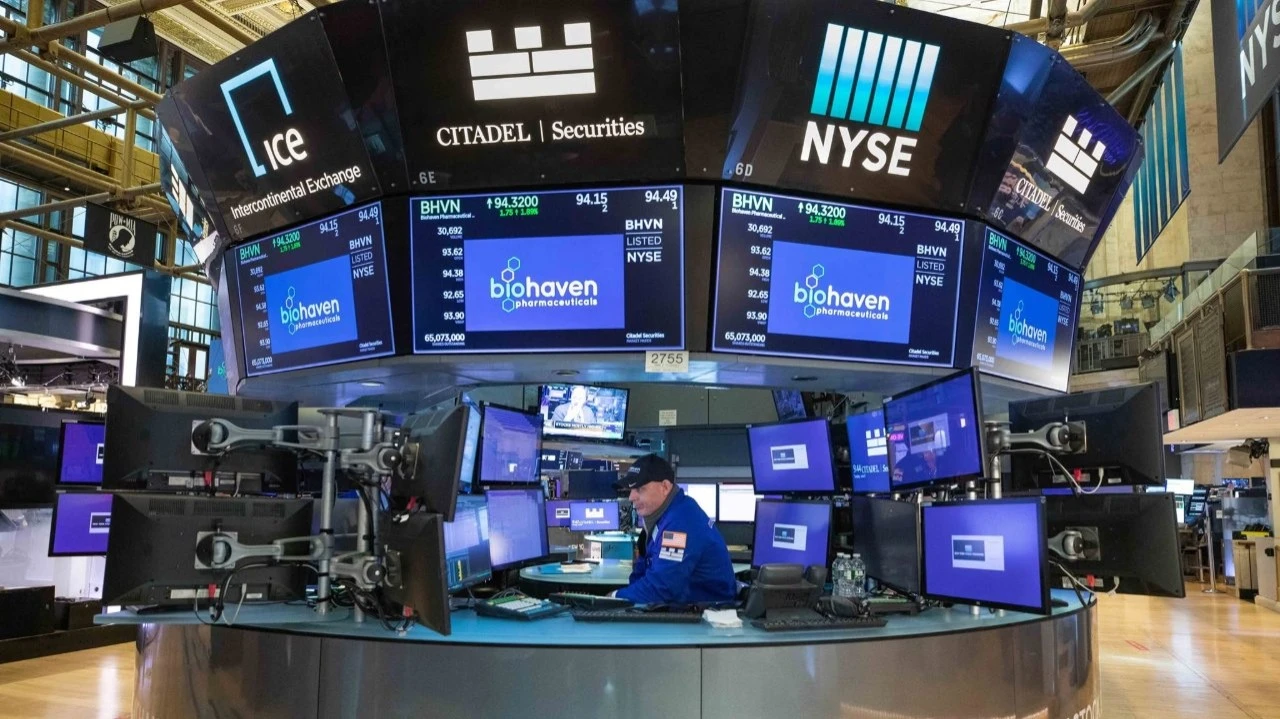
Concerns about inflation, a possible Fed rate hike, and the U.S. midterm election cycle could increase volatility in the U.S. stock market / Photo: X / NYSE
The risk of a decline in the U.S. stock market—of up to 10%—is rising as the U.S. midterm elections approach and stocks enter a seasonally challenging period, according to strategists at RBC Capital Markets led by Lori Calvasina, whose views are cited by Bloomberg.
Details
The article does not specify the exact starting point for the 10% decline—the broad U.S. stock index, the S&P 500, despite losing more than 1% over the past month, remains within 2% of its all-time high, the agency notes. Moreover, as RBC calculated, the index has typically declined in September in five of the last 10 years. The U.S. midterm election cycle could increase volatility in artificial intelligence-related trading, as negative sentiment toward this technology becomes part of the campaign agenda, analysts noted. In addition, the war with Iran continues to be another headwind for stocks, they added, emphasizing that concerns about inflation and interest rates are overshadowing the recent improvement in consumer confidence. Thus, “the risks of a typical 5–10% pullback [in the broad U.S. stock index] have increased [immediately] for several reasons,” RBC warned, noting that S&P 500 pullbacks have typically fallen within these ranges since the global financial crisis, “unless there were serious concerns about a recession or an interest rate shock.” According to a Bloomberg report, RBC analysts did not mention such concerns in their latest note.
In the long term, analysts remain optimistic about the broad U.S. stock index—they have reaffirmed their target of 8,150 points for the S&P 500 over the next 12 months. This implies upside potential of approximately 6% relative to the closing level on September 8.
Context
Recently, the corporate sector’s solid financial outlook has provided support for the U.S. stock market, even despite mounting inflation risks, WTI crude oil breaking through the $90-per-barrel mark in recent days, and investors bracing for a possible Fed rate hike next week, Bloomberg notes.
Despite a decline of more than 1% over the past month, the S&P 500 is still up nearly 17% year-to-date. The index has also risen by about 100% since the end of 2022, marking the second-strongest four-year rally ahead of midterm elections, according to Bloomberg.
What Other Analysts Are Saying
On September 9, Barclays raised its year-end target for the S&P 500 from 7,800 to 7,950 points following a strong earnings season led by technology companies, Reuters reports. The updated forecast is approximately 3.6% higher than the index’s last closing level on September 8. Meanwhile, the brokerage expects the benchmark to rise to 8,800 points by the end of 2027. This implies a 15% increase in the index.
Barclays noted that investments in artificial intelligence and steady economic activity should support earnings momentum in the coming quarters. At the same time, the brokerage firm emphasized that it maintains a conservative view on asset valuations. The reasons for this include doubts about the sustainability of investments in AI, persistent inflation, geopolitical uncertainty, and the likelihood of further monetary tightening by the Fed.
HSBC also raised its year-end target for the S&P 500 yesterday—its target increased from 7,650 to 8,100 points. Analysts are betting that strong financial results from the companies whose stocks are included in the index, along with steady spending on artificial intelligence infrastructure, will extend the benchmark index’s rally, Reuters reports. The updated estimate implies upside potential of approximately 5.7% relative to the benchmark’s most recent closing level.
UBS Global Research, Goldman Sachs, and Citigroup forecast that the S&P 500 will end the year at 8,000 points or higher. Such a target implies a gain of more than 4%.
What's Happening in the Markets
During trading on September 9, amid rising Brent crude oil prices above $100 per barrel and escalating tensions in the Middle East, the S&P 500, along with two other major U.S. stock indices, is down 0.4%, while the Nasdaq Composite fell 0.6% and the Dow Jones fell 0.6%.
This article was AI-translated and verified by a human editor