"Now all we're seeing is just a good story": 4 reasons for pessimism about SpaceX

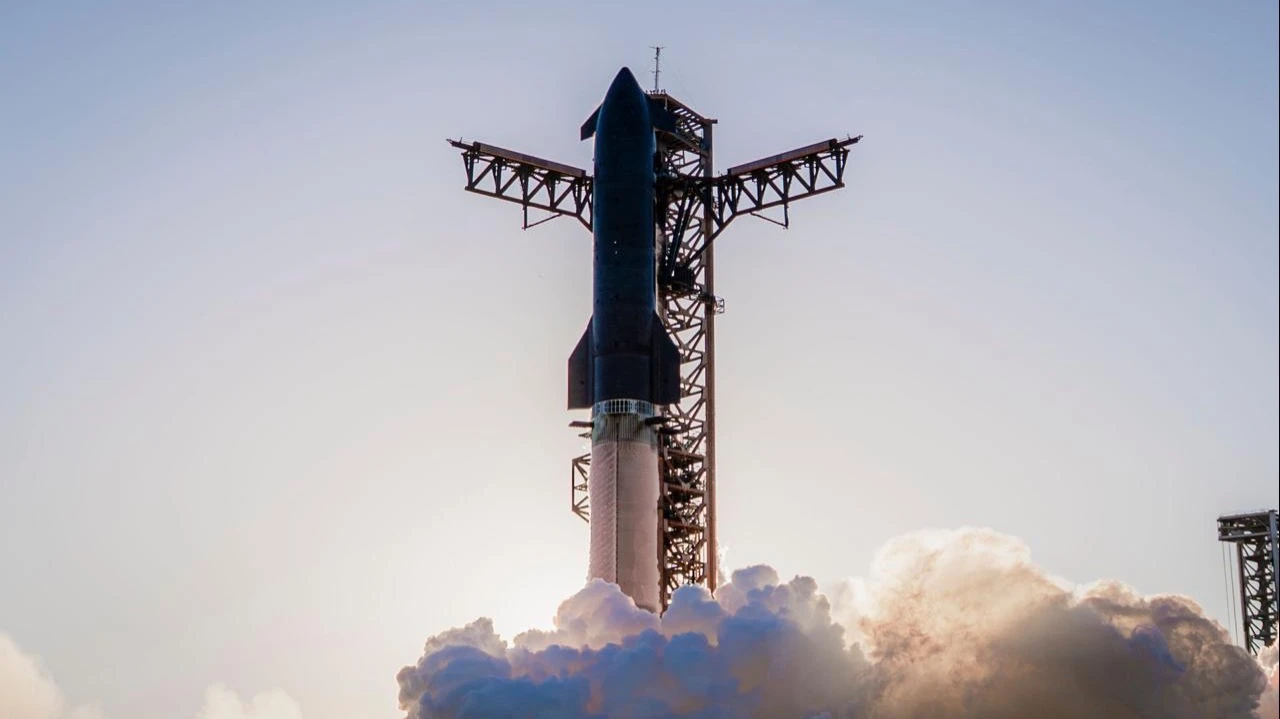
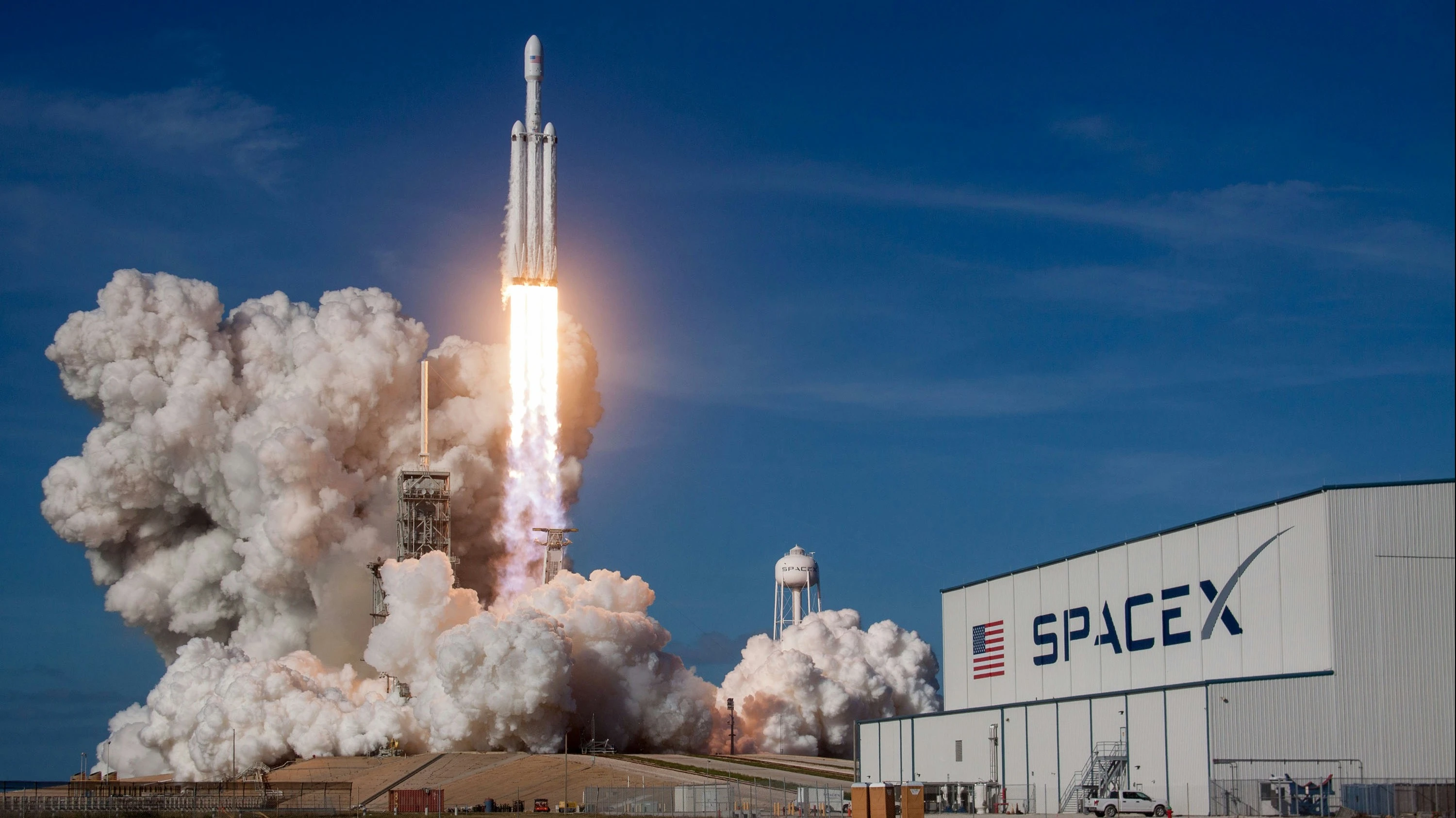
SpaceX is preparing for the 14th Starship V3 flight, which will serve as a test of the company's engineering stability. Photo: SpaceX
SpaceX’s first public earnings report for the second quarter both pleased and alarmed the market. On August 5, the day after the report was released, the company’s stock fell 13.6% to $108.27. This is less than half of its post-IPO peak. Oninvest has compiled the main reasons for Wall Street’s pessimism and skepticism regarding SpaceX.
Skeptics vs. Optimists
SpaceX's revenue in the second quarter of 2026 reached $7.81 billion, up 92% year-over-year, while the market had expected the figure to be $6.93 billion. Adjusted EBITDA rose 191% to $3.5 billion, and the net loss narrowed to $541 million from $1 billion a year earlier. However, an unexpected surge in capital expenditures—to $18.37 billion for the quarter, with the lion’s share going toward AI infrastructure—turned the positive earnings report into a trigger for a sell-off.
SpaceX's first quarterly report as a public company shows how different analysts sometimes interpret the same figures in completely different ways.
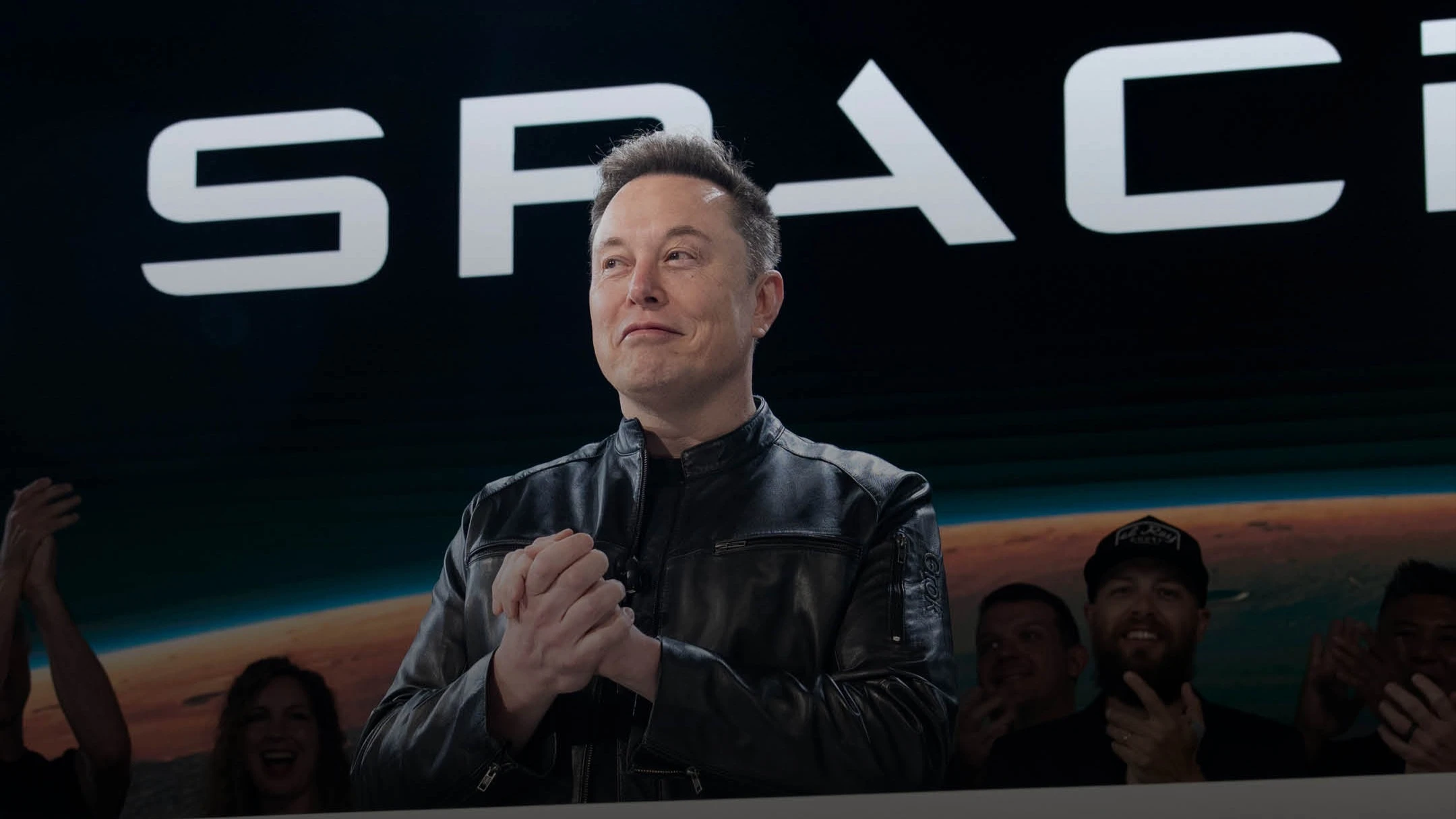
Currently, according to Tipranks data, 23 analysts recommend “buy,” 6 recommend “hold,” and 2 recommend “sell” SpaceX shares. The average target price for the company’s stock is $231.78, which implies the potential for more than double the current price. Following the release of its earnings report, two investment banks, according to Bloomberg, lowered their price targets for SpaceX shares: Wells Fargo from $230 to $215 and Piper Sandler from $156 to $140.
As Oninvest previously reported, optimistic analysts are betting on a quick return on AI investments and an acceleration of revenue targets—as if this were already a measurable reality in the near future.
But the pessimists are focusing on something else. One of the most cautious members of that group is Keit Snyder, a senior equity analyst at CFRA Research. He was previously the first on Wall Street to assign a “sell” rating to SpaceX shares.
In an exclusive comment to Oninvest, he stated that he trimmed his revenue forecast for SpaceX for 2026, as he considers the current forecast “too aggressive,” while bringing up his estimate for 2027. He has not yet disclosed more details.
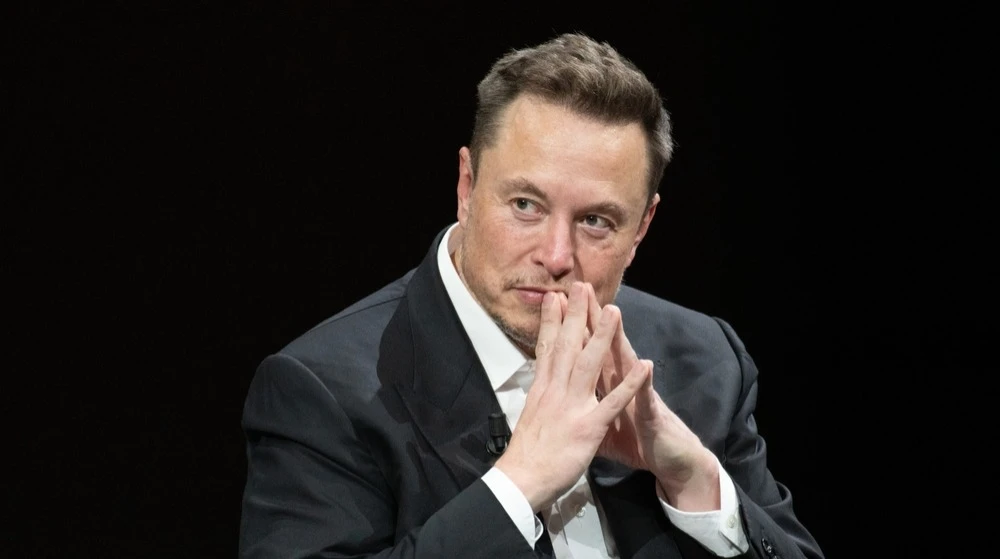
Snyder notes that growth across all divisions was expected—for example, following the announcements of contracts with Google, Anthropic, and Reflection in the AI segment—and the market has already factored this into its valuations.
But he points out a structural imbalance in SpaceX’s business: SpaceX’s revenue “was better than expected, but not by much,” and growth in the Starlink segment was the only real surprise. This confirmed that this particular part of the business remains the driving force behind the entire company, rather than the AI segment with its high expenses—$15.8 billion, or 86% of all capital expenditures for the second quarter.
This is a game of hot potato right now, according to Snyder, and the smart companies are avoiding being left holding the bag.
Apple, for its part, avoids relatively large direct investments in AI infrastructure and prefers to “rent AI from others.” And Google, although it builds its own data centers, chose to sign a contract to lease computing power from SpaceX. Under this contract, Musk’s company will receive $920 million per month through June 2029.
Snyder describes his view of SpaceX as follows: “Hope is not a viable investment strategy, I need to see the growth and see a realistic path to sed growth.” For now, the market and analysts simply believe that the promised growth will materialize.
"Right now all that we are seeing is a good story and it is only a matter of time to see if its fact or fiction," Snyder concludes.
Too many shares?
Alexey Golubovich, an analyst at Arbat Capital Advisory Services (UK), identifies two other risks for SpaceX before the end of the year.
First, the number of shares outstanding is expected to rise to a potential 40% of the total as shareholders become eligible to sell their shares following the expiration of their lock-up periods. All of this could potentially drive the price down.
On Thursday, August 6, the first such lock-up period for 911.5 million shares will end. In a note dated August 3, Deutsche Bank analysts wrote that after that, approximately 300 million shares will be “released” every 15–20 days. As a result, approximately 1.3 billion more shares will be unlocked by the time the third-quarter earnings report is released. For comparison, there are currently 640 million SpaceX shares outstanding on the market.
The second risk, according to Golubovich, is the fate of the Raptor 3 engine ahead of the 14th flight of Starship V3.
This flight is set to be one of the most important in the program’s history, as the spacecraft is scheduled to enter Earth orbit and deploy Starlink V3 satellites. During its last two tests, SpaceX encountered issues with its Raptor engines. Golubovich believes that the upcoming flight will serve as a test—not of financial stability, but of the engineering stability—of the very foundation of the company’s growth.
A merger with Tesla is another potential cause for pessimism regarding SpaceX’s future development. Deutsche Bank analysts highlight the complexities of this process: operational overlaps between Tesla and SpaceX are growing, including joint projects in AI and manufacturing. However, there is currently neither a merger structure nor a timeline in place. As a result, this deal remains a source of corporate uncertainty for investors and, consequently, a discount to the valuation.