"Game of hot potato": Analyst on SpaceX's Biggest Risk — Oninvest Exclusive
Keith Snyder was one of the first Wall Street analysts to assign a “sell” rating to SpaceX

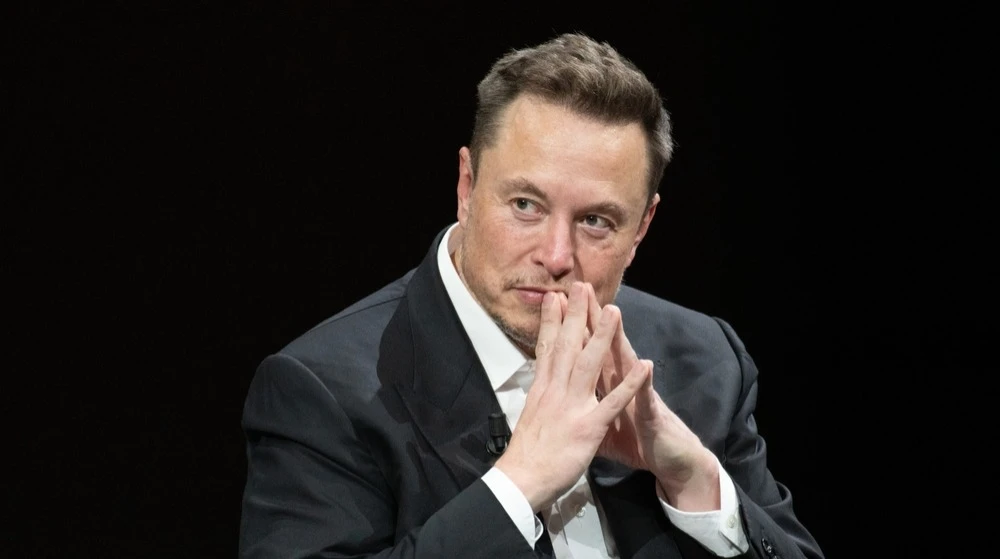
SpaceX investors continue to pay for a compelling narrative rather than proven business growth, warns a CFRA analyst / Photo: Frederic Legrand - COMEO / Shutterstock.com
One of Wall Street’s leading skeptics regarding SpaceX, CFRA analyst Keith Snyder, warns—despite the company’s generally strong first-quarter earnings report —that: investors are still paying for a compelling narrative rather than proven business growth. In his view, one of the main risks for SpaceX is the hype surrounding artificial intelligence. The analyst shared his comments exclusively with Oninvest.
What One of the Leading Pessimists Has to Say
Keith Snyder remains pessimistic about the space company, a rare stance on Wall Street nowadays: three out of four analysts, as of August 6, assign the stock a "buy" rating. Snyder, however, was the first to assign SpaceX with a “sell” already in December 2025, setting a price target of $115—15% below the IPO price. According to the analyst, SpaceX’s second-quarter revenue exceeded his forecast, but “not by much, so the revenue growth was no big surprise”. The company reported revenue of $7.8 billion, compared with a consensus estimate of $6.9 billion.
The analyst was surprised though by the growth rate of the Connectivity, i.e. Starlink segment—which, according to Snyder, is still the engine behind SpaceX currently. Revenue from the satellite internet service—SpaceX’s only profitable business— rose 66% to $4.29 billion, compared with the expected $3.83 billion. The number of subscribers doubled in the second quarter to 12 million.
The analyst reacted cautiously to the growth in the AI sector: it has been already telegraphed through announcements of SpaceX’s three contracts with Google, Anthropic, and Reflection for the lease of AI servers, so part of this growth had already been factored into expectations.
According to the analyst’s commentary, the main risk for the company may also lie right here—in the AI segment: SpaceX is investing in artificial intelligence based on the assumption that the AI euphoria will continue to grow. If that turns out to a bubble, all these investments will be wasted.
“The way I’m thinking about all of this is why would a company like Google sign a deal with SpaceX for compute? Google being someone who is more than capable of building out its own data centers. Its because they don’t want to be left holding the bag when the bubble pops. In the same vein, why would Apple, the second largest publicly traded company, choose not to invest in AI itself and rather rent it out from other companies. This is a game of hot potato right now, and the smart companies are avoiding being left holding the bag,” Snyder said.
Following the report's release, Snyder trimmed his 2026 revenue growth forevast as it is clear that it was too aggressive, but brought up his 2027 estimate. He has not yet disclosed the figures.
Overall, he sums it up this way: “I still feel that most investors and analysts are simply hoping for the growth to materialize. Hope is not a viable investment strategy, I need to see the growth and see a realistic path to sed growth. Right now all that we are seeing is a good story and it is only a matter of time to see if its fact or fiction.”
Context
On August 4, SpaceX reported a 92% year-over-year increase in second-quarter revenue to $7.8 billion. Adjusted EBITDA increased by 191% to $3.5 billion, while the loss was nearly halved to $541 million.
The company's stock fell 12% following the release of the report: the market grew wary due to the scale of investments in AI and the anticipated pressure on the stock price resulting from the end of the lock-up period for insiders on August 6.
Against this backdrop, most Wall Street investment firms and banks are maintaining “buy” ratings and price targets significantly above current prices. Keith Snyder, however, counters that with this valuation, investors have already priced in several complex and as yet unproven scenarios for the company’s success—from Starlink to space-based data centers and the AI business.