S&P 500 has longest streak of gains since October: market bets on a lasting truce
Empower's strategist advises not to actively build up positions in the portfolio, but simply return them to pre-war levels

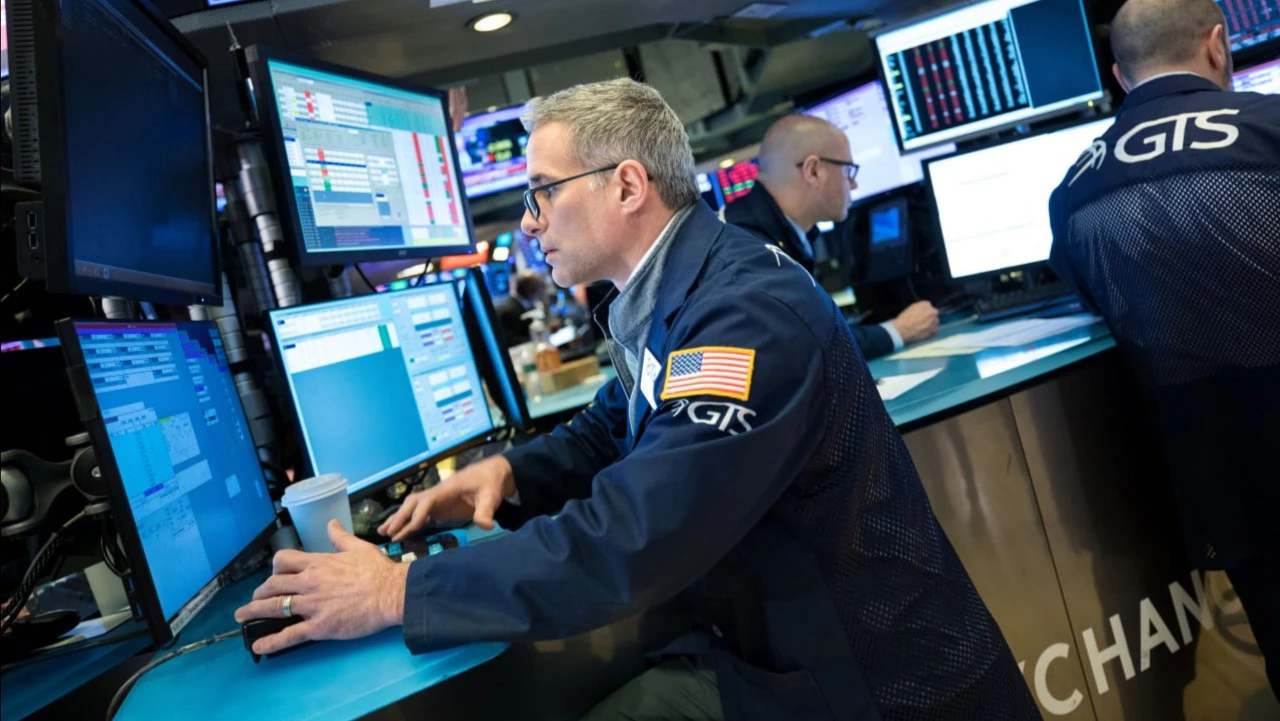
U.S. indices went into the plus side after falling at the beginning of trading / Photo: X / NYSE
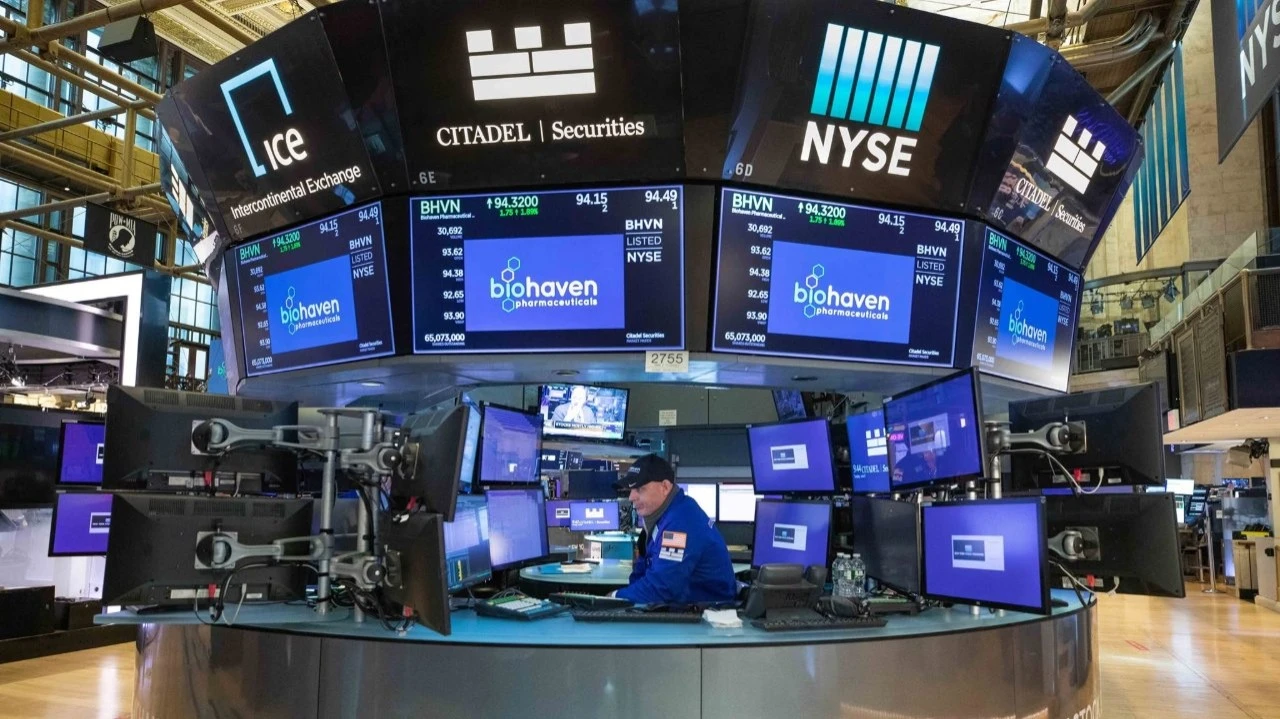
U.S. stocks rose Thursday after a volatile day, with the S&P 500 broad market index even posting its longest streak of gains since October, Bloomberg calculated. In the morning, major indexes traded in the red zone due to continued tensions between Israel and Lebanon, which Iran earlier called a truce violation. After a report that the two countries would begin talks, the U.S. stock market recovered. Although Israeli Prime Minister Benjamin Netanyahu later said he would continue to strike Lebanon's Hezbollah, Bloomberg reported.
Oil prices rose after collapsing the previous day, but the market is still hopeful that the fragile truce in the Middle East can be maintained, CNBC writes.
Details
- The S&P 500 broad market index rose 0.6% on April 9. This is the seventh day in a row that it has finished trading in the plus.
- The blue-chip index Dow Jones Industrial Average also added about 0.6%.
- The tech-heavy Nasdaq Composite jumped 0.8% and also posted a seven-day streak of gains.
- The Russell 2000 index of small and mid-capitalization companies was up 0.7%.
- The VIX index, which is known as Wall Street's fear gauge, fell 7% and closed trading below 20 points for the first time since the war with Iran began. 20 points is considered a psychologically important mark indicating high market volatility.
What about the oil
In contrast, oil prices, which have typically moved counter to the stock market in recent days, rose on Thursday, with Brent futures adding about 2.6% to trade at $97 a barrel and WTI contracts up 5.2% to $99 a barrel.
The impetus for oil prices was given by the message of the state agency of Saudi Arabia: the country's production capacity was reduced by about 600 thousand barrels per day due to Iran's attacks on energy infrastructure during the five-week conflict, Bloomberg writes. According to the agency's calculations, this corresponds to about one tenth of the usual volume of Saudi oil exports.
At the same time, traffic through the Strait of Hormuz has not improved since the announcement of the ceasefire, CNBC noted. According to the vessel tracking system, only seven vessels have passed through the Strait in the last 24 hours: one oil product tanker and six dry cargo ships, Reuters reports.
Tehran has agreed to open shipping in the strait during a two-week truce on condition that all attacks, including on Lebanon, cease, the Iranian Foreign Ministry said in a statement quoted by The Wall Street Journal.
Already after the market closed, US President Donald Trump threatened Tehran: "There are reports that Iran is charging tankers to pass through the Strait of Hormuz - it better not be true, and if it is, they should stop it immediately!"
What the analysts are saying
- "It's not over until it's really over. There are still missiles, mines and drones in the [Middle East] region," Bloomberg quoted Enverus oil and gas market analyst Carl Larry as saying. - "We can remain hopeful while negotiations continue, but damage, especially in areas sensitive to oil supplies and shipping, is still an important part of the overall picture.
- "There is little of significance to the market right now other than a sustained ceasefire, the return of shipping volumes through the Strait of Hormuz and ultimately whether there is a true long-term agreement," Janus Henderson Investors portfolio manager Bradford Smith told the agency.
- "While paper markets tend to build a full resumption of supply into prices, the physical reality is that any restoration of flows will be gradual - and in fact hasn't even started yet," CIBC Private Wealth Group senior energy trader Rebecca Babin said in a conversation with Bloomberg.
- "I don't think there's really any big window of opportunity in the U.S. equity market right now," Empower chief investment strategist Martha Norton told MarketWatch. - "We're still left in uncertainty." Rather than "massively building positions in the portfolio," she said, "rebalancing would be a better approach right now. The strategist advises simply returning position sizes to roughly the target levels they were at before the selloff over the conflict with Iran.
This article was AI-translated and verified by a human editor