Stocks rally to fall, Brent above $98: how US trading opened


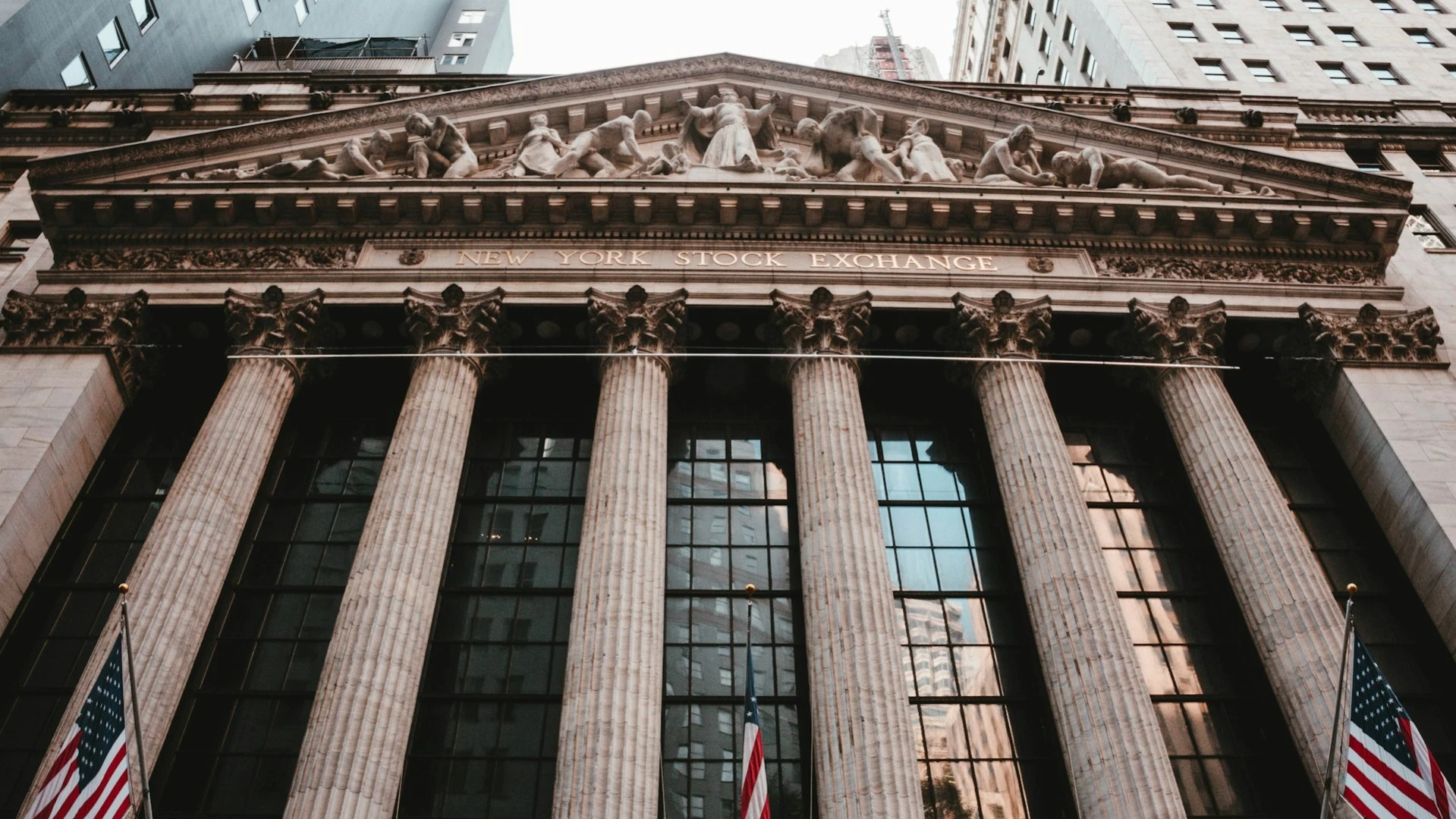
Stocks in the US fell in early trading on April 9 / Photo: Unsplash/Aditya Vyas
Stocks in the U.S. fell in early trading on April 9 after an active growth a day earlier. Investors became more cautious about the truce between the U.S. and Iran, the fragility of which became apparent in the first day after its announcement. Brent crude oil rose in price by more than 3% and rose above $98 per barrel.
Details
- The S&P 500 broad market index was falling 0.2 percent in the first minutes after the opening bell.
- The blue-chip index Dow Jones Industrial Average was losing about 0.3%.
- The Nasdaq Composite Technology Sector Index was down 0.15 percent.
- The CBOE Volatility Index, called the "Wall Street Fear Index," was up less than 1 percent to 21 points. The psychological mark indicating increased volatility is considered to be 20 points.
- The price of Brent crude was up 3.5% to $98 per barrel, while the price of U.S. WTI crude was up 5.5% to $99.5 per barrel.
- European markets were also in the red zone. The Stoxx Europe 600 index lost 0.6%, the German DAX lost 1.3%, the British FTSE 100 lost about 0.4%, and the French CAC 40 lost 0.7%.
- Spot gold prices rose 1% to $4764 per troy ounce.
- Bitcoin cheapened by about 2% to $71,100, the CoinGecko service shows.
What drove the market
Despite the market's rebound on Wednesday, April 8, risks related to negotiations in the Middle East remain, said Eric Johnston, chief equity and macro strategist at Cantor Fitzgerald, on CNBC. Uncertainty remains high in the short term, he said, as there are multiple parties involved in the conflict and the Strait of Hormuz is still not open. Nevertheless, he sees the current situation as a buying opportunity.
Investors on Wednesday are also evaluating fresh macroeconomic data, CNBC noted. The Personal Consumption Expenditures (PCE) price index, the Fed's preferred measure of inflation, rose 0.4% month-on-month and 2.8% year-on-year in February, matching expectations. The data showed that price growth had been above the regulator's 2% target even before the war and the resulting energy shock.
"In other words, the Fed had a problem with inflation even before the crisis in the Middle East. This is starting to resemble a 'naked king' situation: everyone sees that inflation is too high, but the Fed continues to turn a blind eye," Bloomberg quoted Sona Varghese of Carson Group as saying.
Tehran has said it has violated the terms of the truce, and disagreements also remain over whether the ceasefire agreement extends to Lebanon, which has been under attack from Israel: these are key tension points that have pressured investors, Bloomberg notes.
"If the dynamics are such that oil prices stay higher for longer because hopes for the opening of the [Strait of Hormuz] don't materialize, stocks will face more sustained pressure. If the Strait opens, the upside is only about 5% from current levels," said Kevin Brox, director of 22V Research. He is quoted by Bloomberg.
He also noted that a rise in oil prices to the $80-120 per barrel range would mean increased inflationary pressures and supply chain risks without a significant threat of recession, but above the $120 mark, the likelihood of recession would begin to increase.
Wednesday's rise in stocks, which lifted the S&P 500 Index to its highest level since early March, was largely driven by the closing of short positions rather than an influx of new growth bets, Bloomberg explains. Meanwhile, Goldman Sachs' trading unit noted that by the end of the session, hedge funds were "more likely to be sell-sensitive," indicating continued skepticism, the agency reports.
This article was AI-translated and verified by a human editor