Brent drops below $96, US stocks rise: Israel will go for dialog with Lebanon

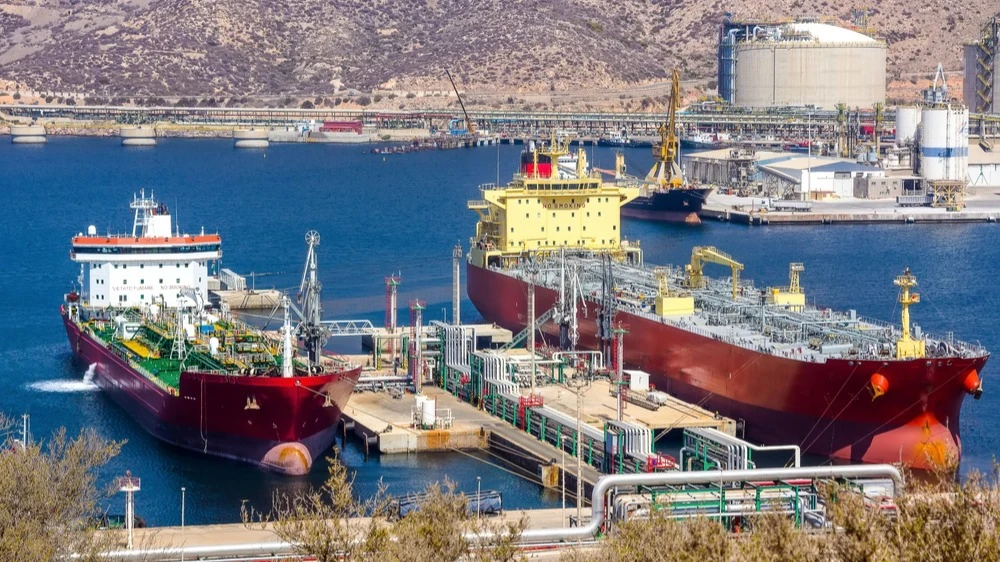
Oil back above $100 amid the actual closure of the Strait of Hormuz / Photo: Jose Angel Astor Rocha / Shutterstock
The cost of Brent crude oil fell sharply and was below $96 per barrel after exceeding $99 during trading. And stocks in the U.S. turned around and went from falling to active growth. Markets were supported by Israel's decision to enter talks with Lebanon. The two countries' ongoing conflict has been a major threat to the US-Iran truce.
Details
- Brent oil at the time of publication of this text cost $95.8 per barrel, which corresponds to an increase of 1% compared to the close of trading a day earlier. During Thursday, the price of crude oil rose above $99 per barrel.
- U.S. West Texas Intermediate (WTI) crude oil prices were adding 4% at $98.1 a barrel, down slightly after settling back above $102.
- Four major U.S. stock indices rose by 0.4-0.8%. Optimism that the war in the Middle East will soon end and the cost of energy resources will fall is leading the S&P 500 broad market index to rise for the seventh consecutive session: this could be the longest such period since October, Bloomberg noted.
What happened
Stocks and oil changed the direction of movement after Israeli Prime Minister Benjamin Netanyahu said that he instructed the government to start direct talks with Lebanon as soon as possible, Bloomberg reports. The subject of the dialog will be the disarmament of the armed group Hezbollah and the establishment of peaceful relations, the agency writes.
The U.S. and Iran agreed to a 14-day ceasefire on the evening of April 7 (U.S. time). However, Iran expressed displeasure that Israel continued bombing Lebanon after the cease-fire. The sides differed in their interpretations of whether Washington and Tehran's agreements affected Lebanon. On April 8, Iran accused the U.S. of violating three of the ten points in Iran's cease-fire proposal.
Tehran has effectively left the Strait of Hormuz - the most important artery for transporting oil from the Persian Gulf - closed, although under the terms of the truce it was supposed to open shipping there, Bloomberg wrote. Only seven ships - all of them either calling at Iranian ports or carrying Iranian cargo - were spotted leaving the Persian Gulf on April 8 and by the morning of April 9, the agency said. Under normal conditions, transit in both directions is about 135 ships per day.
The speed with which the Strait of Hormuz will be reopened is critical to global energy markets, Bloomberg pointed out. Even after the resumption of oil supplies through the strait, delivery to buyers could take weeks to months, he added.
This article was AI-translated and verified by a human editor