Shares of the AI startup Elice plummeted 32% after its IPO. Why is this a bad sign for the market?
Frenetic demand for shares during the IPO and a threefold increase in revenue did not prevent the South Korean AI infrastructure provider from plummeting on its first day of trading

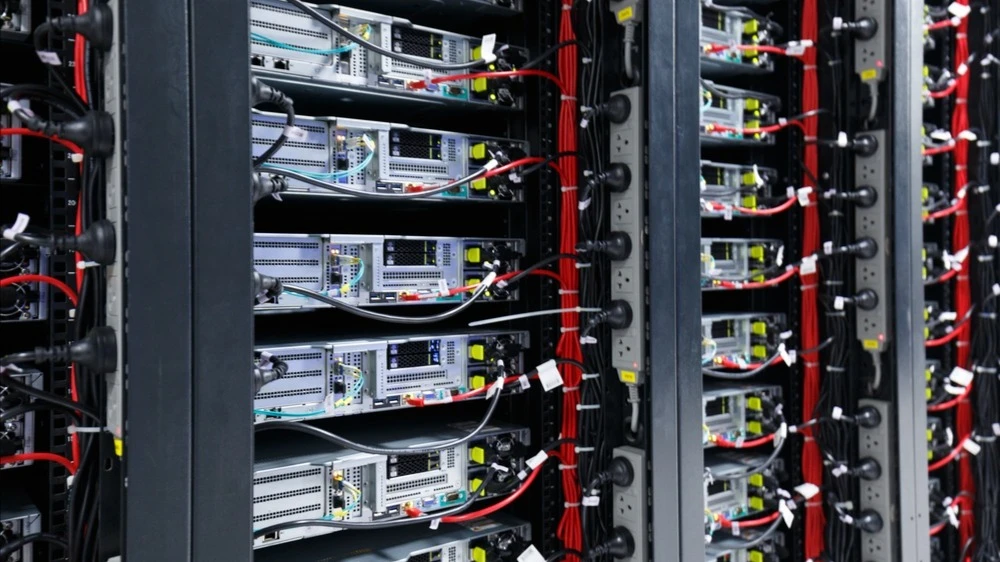
Elice's disastrous debut following its IPO in Seoul has heightened doubts about the wisdom of massive investments in AI / Photo: Shutterstock.com
Shares of South Korean company Elice, a provider of AI equipment and cloud infrastructure, fell 32% at the close of its debut trading session on October 20. During the day, the decline reached 38%.
The crash occurred following the largest IPO on Kosdaq—the Korean equivalent of the U.S. Nasdaq exchange—this year: Elice raised 201 billion won ($151 million) by selling shares at the upper end of the announced price range. Retail investors contributed about 10.3 trillion won in margin deposits to back their purchase orders. Their demand was 400 times greater than the number of shares reserved for retail investors, according to Bloomberg.
The disappointing debut has heightened doubts about whether the AI boom will justify the multibillion-dollar investments in the industry, the agency notes. The drop in Elice’s stock price has fueled investor pessimism and shown that confidence in providers of cloud computing power for AI has not yet fully recovered, according to Bloomberg, citing Kazuyuki Muramatsu, head of investment management at Nagomi Capital.
What's Worrying Investors
Investors are concerned about AI companies’ high debt servicing costs, intensifying competition, and uncertainty over whether large-scale investments in AI will pay off, according to the Financial Times. Because of these concerns, companies in various countries are postponing or canceling their IPOs.
“Elice’s debut shows that investors in AI infrastructure have shifted from the ‘build at any cost’ approach to the question of ‘who pays and for how long,’” Reuters quotes Ke Yang, head of research at Singapore-based Shenton Research, as saying. Until AI developers demonstrate that they can afford to pay for computing power, pricing for new data center facilities in the region will likely factor in this risk, he believes.
Less than two weeks before Elice’s debut, Firmus, an Nvidia-backed data center operator, pulled out of its IPO in Australia. According to Bloomberg, investors did not agree with the company’s valuation. “This (Elice’s failed debut—Oninvest note) is a bad sign, especially after Firmus canceled its IPO,” the agency quotes Josh Gilbert, a leading analyst at eToro, as saying.
Shares of cloud provider CoreWeave have fallen by more than half from their May peak. Its competitor, Nscale, has faced investor backlash over the valuation it plans to use for its initial public offering, while data center operator AirTrunk is postponing the IPO of its real estate investment fund, according to Bloomberg sources. Investor sentiment toward companies that build data centers and provide computing power for AI is shifting dramatically and often does not reflect the actual state of their businesses, the agency notes, citing Albert Young, investment director at Petra Capital Management.
"The market is underestimating profitability"
Investors shouldn't consider Elice "particularly risky," says Kim Do-joon, head of Zian Investment Management, as quoted by Bloomberg. However, he doubts whether the company will be able to maintain its current performance: “It remains to be seen whether the company can sustain its current profitability.”
Ahead of its IPO, Elice highlighted improvements in its business performance, according to Bloomberg, citing the prospectus. In the first half of the year, Elice’s revenue tripled to 34.4 billion won ($25.9 million), and the company posted an operating profit of 10.3 billion won ($7.8 million).
"The market underestimates profitability at every stage of value creation in the AI sector. Losses incurred by certain AI developers and providers of cloud computing power for AI, as well as the need for capital to rapidly expand capacity, have contributed to the widespread perception that investments in AI are unprofitable,” The Wall Street Journal quotes an analytical note from the Nomura financial group. As a result, investors are overlooking “the significant operating profits already being generated by key segments of this ecosystem,” Nomura emphasized.
This article was AI-translated and verified by a human editor