Shipowners are in no hurry to return to the Strait of Hormuz. When will traffic resume?
Shipping companies need to verify the safety of the route after nearly four months of war

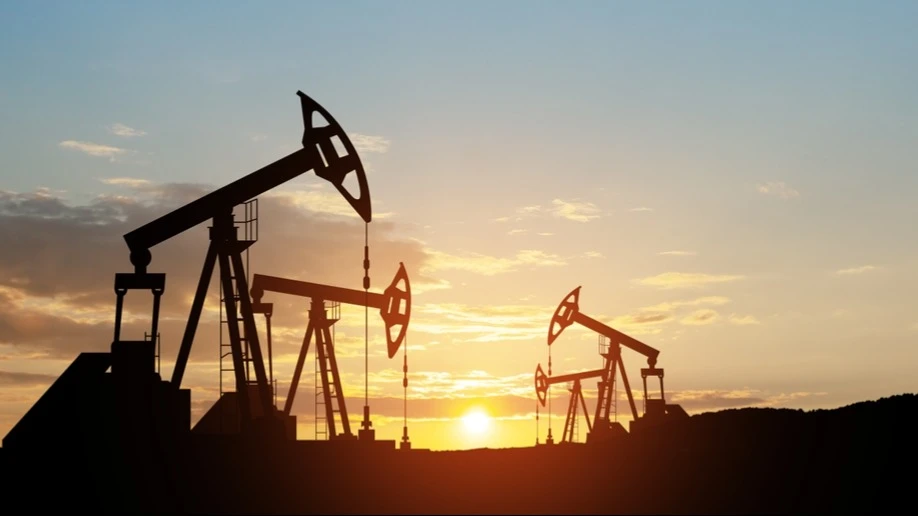
A peace deal between the U.S. and Iran would involve lifting the blockade of the Strait of Hormuz / Photo: Hamara/Shutterstock.com
The peace deal between the U.S. and Iran calls for the lifting of the blockade on the Strait of Hormuz: according to U.S. President Donald Trump, the waterway could reopen as early as Friday, June 19. But shipowners will not resume transit without real security guarantees, and it could be weeks before they return to the strait, said the head of Mitsui OSK Lines, the world’s largest tanker operator. Morgan Stanley analysts predicted a recovery of up to half of cargo traffic by September, but Kpler is more optimistic.
Businesses need guarantees
It will take weeks for shipowners to resume transit through the Strait of Hormuz: they need to ensure that the peace agreement between the U.S. and Iran is backed up by concrete actions on the ground, said Jotaro Tamura, head of Mitsui OSK Lines. According to his comments, as reported by the Financial Times (FT), many companies will prefer to play it safe and wait before sending ships along this route again.
“What is needed is not just a formal agreement between the countries involved. It must be substantive and have a tangible impact on the actual situation in the Strait of Hormuz, so that shipping companies can feel safe when their vessels pass through,” he emphasized.
Tamura noted that since the conflict in the Middle East began in late February, attempts to reopen the waterway have been thwarted on multiple occasions. “Given the experience of the past couple of months, it is reasonable to assume that this will take at least several weeks, if not a month,” added the head of MOL.
The FT notes that Tamura gave this interview before U.S. President Donald Trump announced the deal with Iran. However, on June 15, MOL stated that the finalization of the agreement had not changed the CEO’s position.
On Monday, June 15, the U.S. president stated that the Strait of Hormuz was “already partially open” and would be “fully open” by Friday. The deal reached between Washington and Tehran on June 14 led to oil prices falling to their lowest level since March.
How traffic will be restored
At the same time, according to estimates by the analytics firm Kpler, barring any disruptions, shipping traffic through the Strait of Hormuz could recover to nearly half of its pre-war levels within a month, CNBC reports. Washington and Tehran are expected to sign the final agreement this Friday, June 19, in Switzerland.
According to Kpler’s forecast, vessel traffic could rise to as many as 40 ships per day after the strait reopens—before the conflict, that figure stood at 100 transits. Prior to the war, approximately 20% of global oil shipments passed through this route. And the first vessels to pass through the reopened strait will be fully loaded ships that have accumulated in the Persian Gulf—according to Kpler analysts’ estimates, about 118 tankers will be able to leave the region within 15 days.
At the same time, Kpler experts emphasize that the sudden outflow of accumulated vessels is a one-time event that should not be interpreted as a sustained increase in traffic. The main question is how many ships will enter the Persian Gulf once this congestion is cleared, CNBC notes.
A large number of vessels are currently awaiting the reopening of the Strait of Hormuz in the Gulf of Oman and the Arabian Sea, noted Matt Wright, a leading shipping analyst at Kpler. According to him, in the first 30 days of the agreement between the U.S. and Iran, the number of tankers entering the Persian Gulf could rise to 12 per day, which is about 50% of pre-war levels.
More cautious shipowners will prefer to adopt a wait-and-see approach and observe how the first transits go, Wright added. They will consider returning to the Persian Gulf only if ships are not attacked and there are no mines in the water. Once ships begin making regular voyages, insurance rates will start to decline, the analyst concluded.
Context
The effective closure of the Strait of Hormuz due to a dual blockade by Iran and the United States has severely restricted oil exports from the Persian Gulf region. According to Bloomberg, this has led to a sharp depletion of commercial and strategic reserves: for example, statistics released on June 15 showed that emergency crude oil reserves in the U.S. had plummeted to their lowest level since 1983.
Against this backdrop, the lack of publicly known specific details regarding the U.S.-Iran agreement is making the market nervous. Representatives of the energy sector in the Gulf states admit that they have been inundated with inquiries from buyers trying to find out when shipments will resume. However, traders and shipping company executives are demanding complete clarity before risking their fleets. As one official told Bloomberg on condition of anonymity, unexploded mines still remain in the strait, and every shipowner has their own risk tolerance threshold.
“There is still much to be worked out, and key risks remain, but at this point, this is a crucial step toward de-escalating the conflict and increasing oil exports through the Strait of Hormuz,” noted Morgan Stanley experts. “According to our estimates, 50% of production will be restored by September and 80% by December, which is slightly faster than previously expected.”
This article was AI-translated and verified by a human editor