Dubai Wants to Build a New Port to Bypass the Strait of Hormuz — FT. Why This Matters
The current port has helped Dubai become a global trade and financial hub

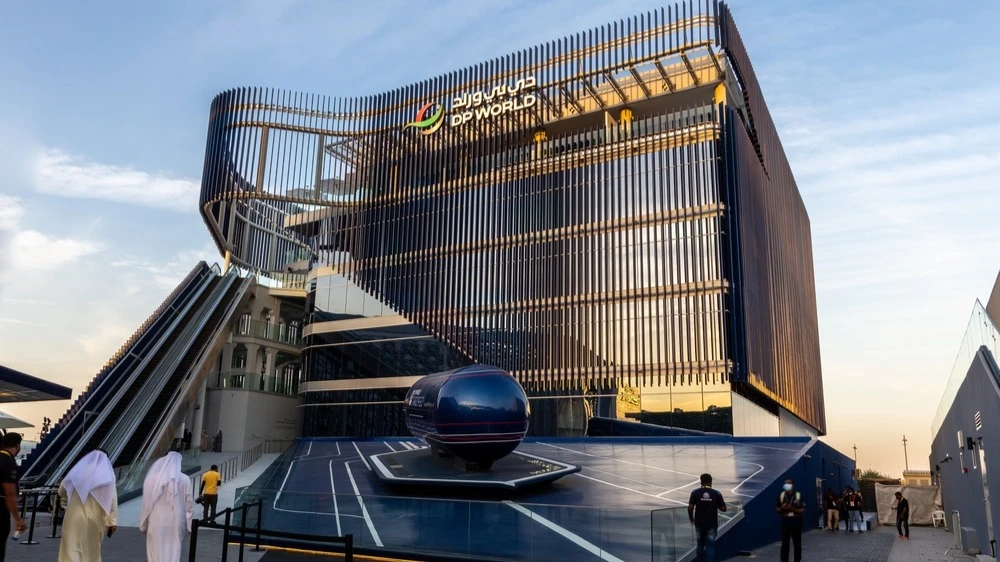
Dubai is diversifying its logistics sector: DP World to build a new port in the east of the UAE / Photo: Aleksandra Tokarz / Shutterstock
Dubai-based port operator DP World plans to build a new port and container terminal on the eastern coast of the United Arab Emirates (UAE), the Financial Times reports, citing sources. This will help Dubai reduce its dependence on the Strait of Hormuz, through which one-fifth of the world’s oil and gas supplies passed before the war between the U.S. and Iran, but where traffic is now disrupted.
Details
DP World is in talks to develop a new multipurpose port in the emirate of Fujairah in Dubai, as well as another terminal at the existing port there, according to the FT. Fujairah is one of the seven emirates that make up the UAE. It already plays a strategic role in the country’s energy infrastructure: Abu Dhabi exports some of its crude oil through it and plans to increase shipment volumes to bypass the Strait of Hormuz, the newspaper explained.
DP World is currently discussing the terms of an agreement with the government, though the project’s structure and financing have not yet been approved, according to sources who spoke to the Financial Times. The new port could be built as soon as a year and a half from now, a senior company official told the FT. In the initial phase, the operator will invest hundreds of millions of dollars in developing the facilities, but over time this amount could increase depending on the required capacity, according to FT sources.
DP World declined to confirm details of any projects on the east coast, but noted that “diversification plans are being developed to help cope with disruptions” at the ports, according to the FT.
Why Is This Important?
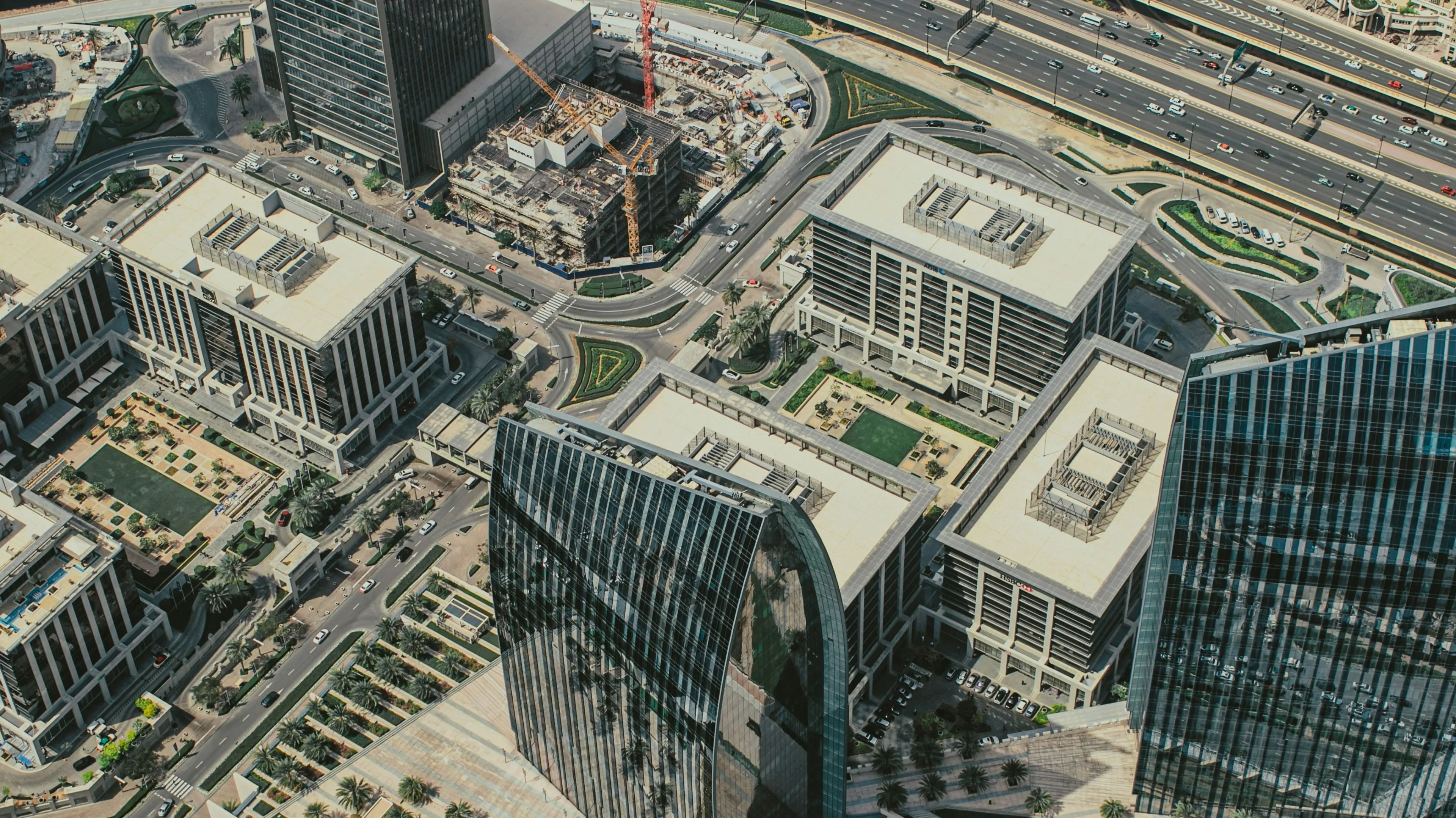
The relocation of part of Dubai’s port capacity represents a “seismic shift” for the emirate, which has become a global trade and financial hub in part due to the growth of its Jebel Ali Port, according to the FT.
The new project will reduce Dubai’s dependence on the Strait of Hormuz, where traffic is effectively controlled by Iran. The new port will allow DP World to expand its presence in the Gulf of Oman, through which containers can be imported into and exported from the country without having to pass through the Strait of Hormuz. From the new port, cargo will be transported by land to Dubai, Abu Dhabi, and neighboring countries, the newspaper reports.
The Financial Times reports that the project is in line with the UAE government’s initiative to protect the economy from potential future threats from Iran. Since the war began in late February, Iran has launched nearly 3,000 drones and missiles at the UAE—more than at any other country, the newspaper reports. As a result, activity in Jebel Ali has fallen by 90–95%, according to its sources.
Context
The Strait of Hormuz provides access from the oil- and gas-rich Persian Gulf to global maritime trade routes. Before the war, about 20% of the world’s energy supplies passed through it, and it is also important for the export of fertilizers and other raw materials. Iran closed the strait to shipping shortly after the war began in late February. Traffic began to resume only in June—after the U.S. and Iran signed a memorandum of understanding paving the way for negotiations on a peace deal.
However, on Saturday, July 11, Iran once again announced the closure of the strait—following yet another escalation of the conflict. The U.S. carried out several waves of strikes against Iran—according to Washington, in response to Iranian attacks on cargo ships in the strait. On July 8, U.S. President Donald Trump stated that he considered the ceasefire between the parties to be over.
This article was AI-translated and verified by a human editor