SpaceX's secrets, OpenAI's listing and their fight for investors: what's important about the IPO by Ma. 24

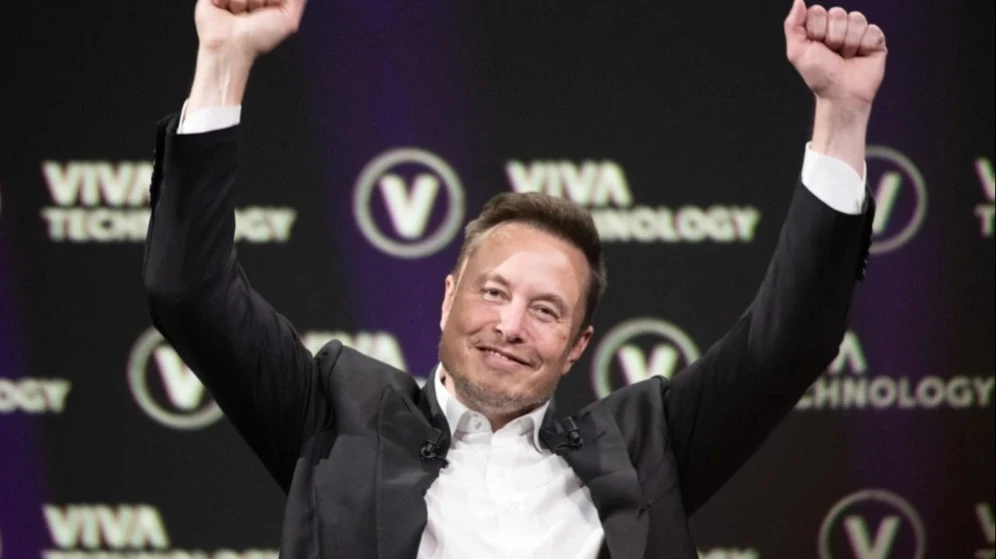
The annual salary of Elon Musk, the richest man on the planet, at SpaceX barely exceeds $50,000 / Photo: Frederic Legrand - COMEO / Shutterstock.com
SpaceX revealed details of its business and Elon Musk's salary three weeks before its debut on the Nasdaq exchange. Sam Altman, head of OpenAI, is rushing to start preparing for the offering, hoping to convince investors not to spend all the money to buy SpaceX securities. SEC is preparing to relax disclosure rules for large companies preparing to go public. The main events on the IPO market during the week are in our selection.
What has come to light about future placements
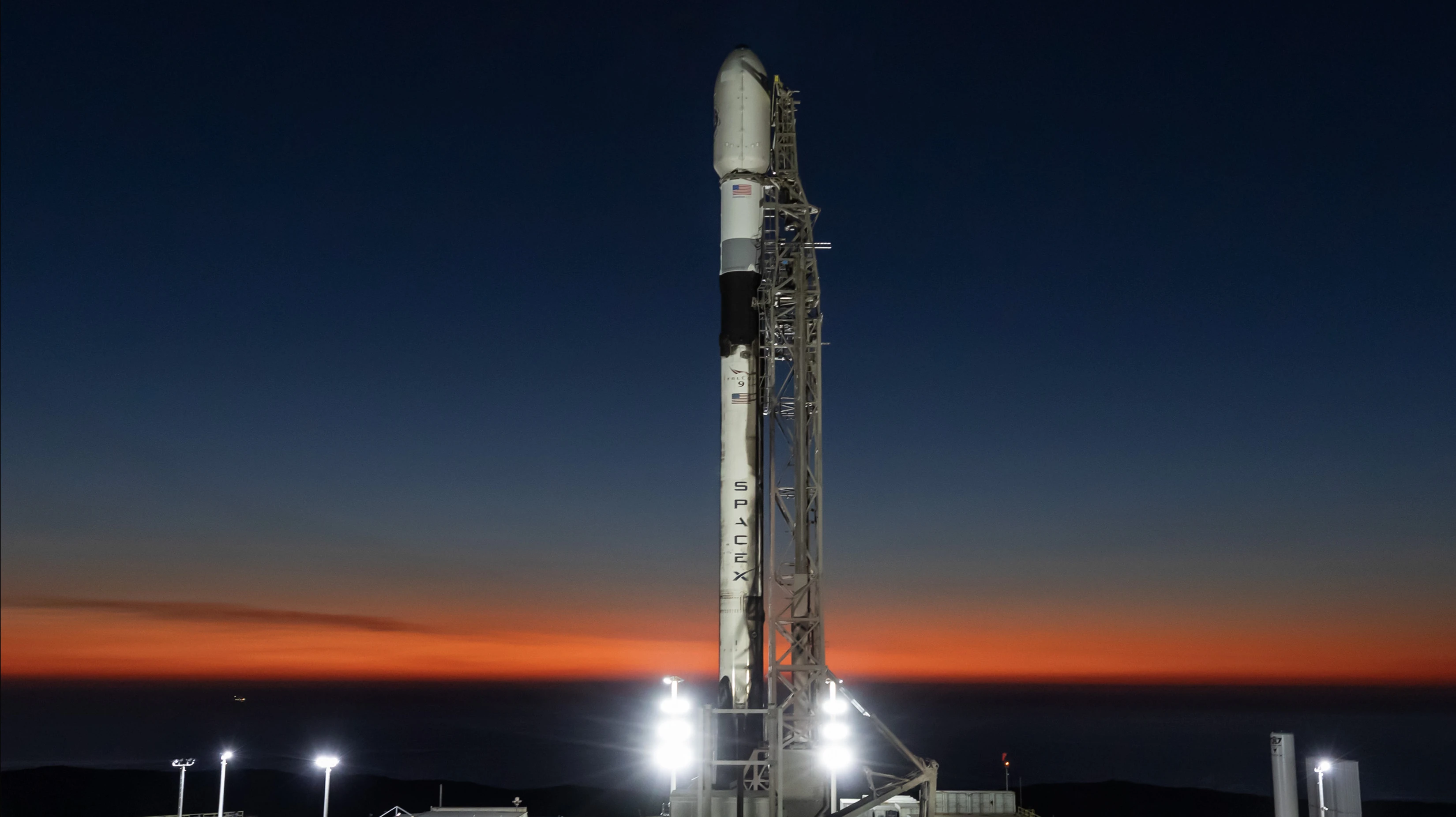
- Elon Musk's SpaceX has published its IPO prospectus, where it disclosed the finances of its business. Revenue rose to $18.7 billion in 2025, but the company posted a net loss of $4.94 billion after a profit a year earlier. Starlink satellite internet remains the main source of revenue: it brought in more than $11 billion, or 70% of sales. The prospectus also shows how much SpaceX depends on Elon Musk: he owns 85.1% of voting shares, and the company itself warns that his departure could complicate management and damage its reputation. At the same time, Musk's salary is only $54,000 a year. He will receive the maximum bonus if SpaceX builds a city of millions on Mars, and the company's valuation reaches $7.5 trillion.
- OpenAI could file for a stock exchange listing in the coming days and launch an IPO in September. According to Financial Times sources, the ChatGPT developer is preparing a flotation that could value it at more than $1 trillion. CEO Sam Altman is rushing to get OpenAI on the stock exchange ahead of Anthropic, but finance chief Sarah Fryar is urging caution. The timing could be pushed back by the outcome of SpaceX's IPO in mid-June. One FT interlocutor talks of a "big game" between the companies, with OpenAI hoping that the listing filing will deter investors from spending all their spare cash on SpaceX shares.
- Oura Health Oy, a maker of smart rings for tracking physical activity, has confidentially filed for an IPO in the U.S., Bloomberg writes. The company has not yet determined the number of shares and price range. According to the agency's interlocutor, Oura plans to go public later this year. The startup with offices in the U.S. and Finland last September raised $875 million at a business valuation of $11 billion. In recent years, Oura smart rings have gained popularity among users looking for a compact alternative to watches. Oura devices compete with developments from Apple and Samsung, which are also actively creating new types of wearable electronics.
- SB Energy, in which SoftBank has invested, has announced that it is preparing a US listing application. The company is counting on investor interest in businesses that build power plants for data centers with AI: it has raised more than $1.8 billion from SoftBank, OpenAI and Ares Management in a year. In February, SB Energy unveiled a $33 billion, 9.2 GW gas-fired power plant project for its computing complex at a former uranium enrichment site in Ohio. The company used to focus on solar and batteries, but its pivot to gas-fired generation and infrastructure for neural networks has helped it capitalize on the AI boom.
- German management has decided to buy 40% of local tank manufacturer KNDS before its IPO this summer, Bloomberg reports citing sources. Now half of KNDS is owned by France, the rest - a group of wealthy German families. Paris planned to offer part of the shares in the IPO and reduce the stake to about 40%, while the families planned to sell part of the stake to Berlin and put the rest on the stock exchange. According to sources, the German authorities plan to reduce the stake to 30% in two to three years and ask France to do the same.
- Danish holding company Schouw & Co. has set a price range for the IPO of BioMar, the world's third-largest aquaculture feed maker. The offering could be the largest in Copenhagen since 2018 and could raise up to 2.72 billion kroner (about $423 million), Bloomberg reports. BioMar shares will be offered in a range of 100-108 kroner, giving the company a valuation of up to $1.7 billion.Trading is due to begin on May 28. About half of the offering has already agreed to be bought by a pool of anchor investors led by Danish pension fund ATP and Danske Bank.
- Cryptocurrency broker Blockchain.com announced a confidential filing for a US IPO, but did not name the number of shares or price range. After the recent "cryptozyme", investors are more cautious about new listings. However, the mood has improved slightly in recent weeks due to positive signals from regulators, states Reuters. The platform, founded in 2011 by Ben Reeves, Peter Smith and Nick Carey, allows millions of users in more than 100 countries to invest in cryptocurrencies and has conducted more than $1.1 trillion in transactions.
Results of recent IPOs
- Quotes for investment boutique Lincoln International rose 12.6% on the first day of trading after its IPO on the New York Stock Exchange to close at $22.52. Lincoln and the selling shareholders raised $421 million by offering 21 million securities at the top end of the range, and investors got a rare opportunity to invest in such a business. In recent years, Lincoln has been considered the world's second-best adviser on private equity deals, said Freedom Finance analyst Alem Bektemirov. He sees a fair price of $20.68 per share.
Other important news from the world of IPOs
- The U.S. Securities and Exchange Commission (SEC) has decided to relax disclosure rules for large companies that float shares - this benefits Elon Musk's SpaceX in particular. Commission head Paul Atkins filed the initiative as part of the "Make IPOs Great Again" campaign, Bloomberg reports. New public companies will be able to stay away from the most stringent requirements for large issuers for up to five years: the SEC wants to raise the free-float threshold for this category from $700 million to $2 billion. During this period, they will also not have to receive an audit opinion on internal control over financial reporting. Companies with a free-float below $2 billion will be able to use simplified disclosure, including keeping secret data on the remuneration of top managers.
This article was AI-translated and verified by a human editor