"Taking Investors' Money": Why Does a Star Fund Manager Value SpaceX Shares at $30?
A former portfolio manager on Peter Lynch's team believes that lifting restrictions on insider sales of SpaceX shares could accelerate the decline in the stock price

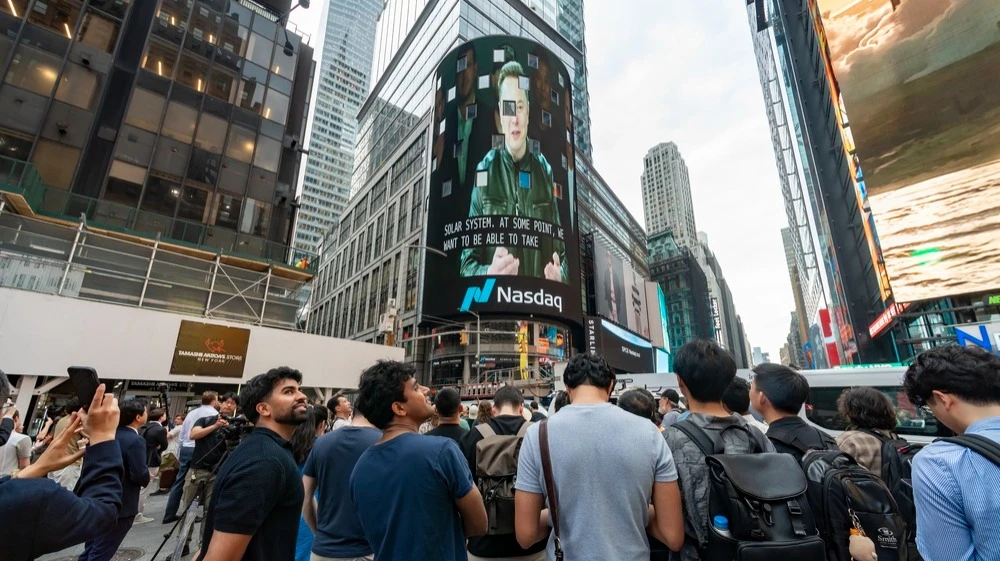
SpaceX shares have fallen 35% from their peak since going public / Photo: rblfmr / Shutterstock.com
Shares of the space company SpaceX have already fallen 35% from their post-IPO peak, and the decline is unlikely to stop there, warns Wall Street veteran George Noble. According to him, two factors supported SpaceX’s stock price after the IPO: the limited number of shares in circulation and mandatory purchases by index-tracking funds. Once restrictions on insider sales are lifted, the stock will lose that support, the former star fund manager wrote on social media platform X.
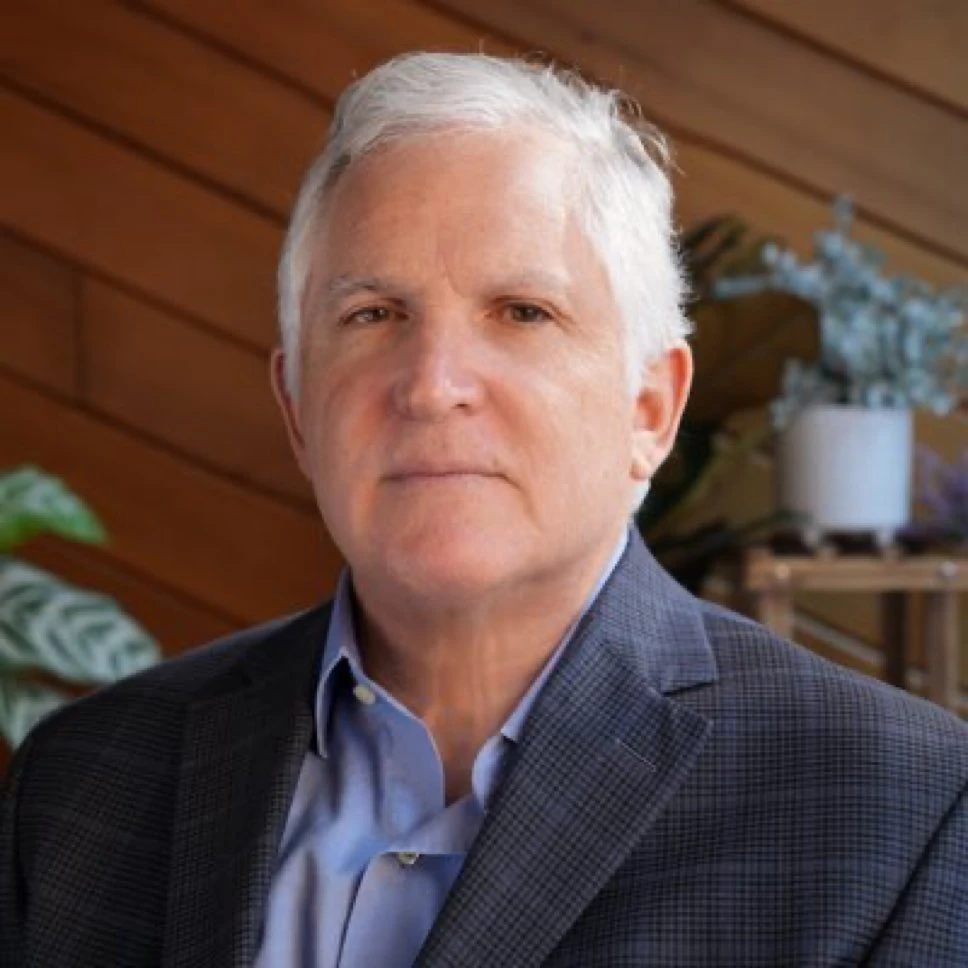
George Noble began his career in the early 1980s at Fidelity Investments, working for stock market legend Peter Lynch. He is best known as the manager of Fidelity’s first overseas fund, the Fidelity Overseas Fund, which achieved record returns (137% over five years). After leaving Fidelity, Noble founded two hedge funds with assets exceeding $1 billion. In 2009, he stepped down from managing external capital to focus on family assets and research.
Noble believes that SpaceX's IPO gives early shareholders the opportunity to sell their shares to new investors at a price many times higher than their initial investment.
“Let me spell it out for you: this IPO was designed from the start to line the pockets of retail investors. SpaceX has never been profitable and ended last year with a loss of nearly $5 billion. At the time of the offering, you paid more than 90 times annual revenue, and at its peak, the market briefly valued the company at nearly 140 times revenue.”
To justify a valuation of even 10 times annual revenue, Noble writes, the company would have had to distribute all of its revenue to shareholders over the course of ten years—without accounting for expenses, taxes, or investments in growth. Noble points out that Scott McNealy, CEO of Sun Microsystems—which found itself at the epicenter of the dot-com crash— spoke about the unrealistic nature of such a scenario after the crash.
In his view, SpaceX’s high valuation was also driven by a shortage of shares. At the IPO, less than 5% of the shares were made available for public trading, and just 15 trading days later, the company was fast-tracked for inclusion in the Nasdaq 100. Funds tracking this index were required to purchase the company’s shares. This created additional demand, while the supply of shares remained minimal.
“The Nasdaq listing alone triggered forced demand of approximately $4.3 billion, and the Russell index rebalancing added another $3 billion or so. Supply was negligible, and buying was mandatory. This was a textbook artificial squeeze, and that is precisely why the stock soared above $225 in the very first week.”
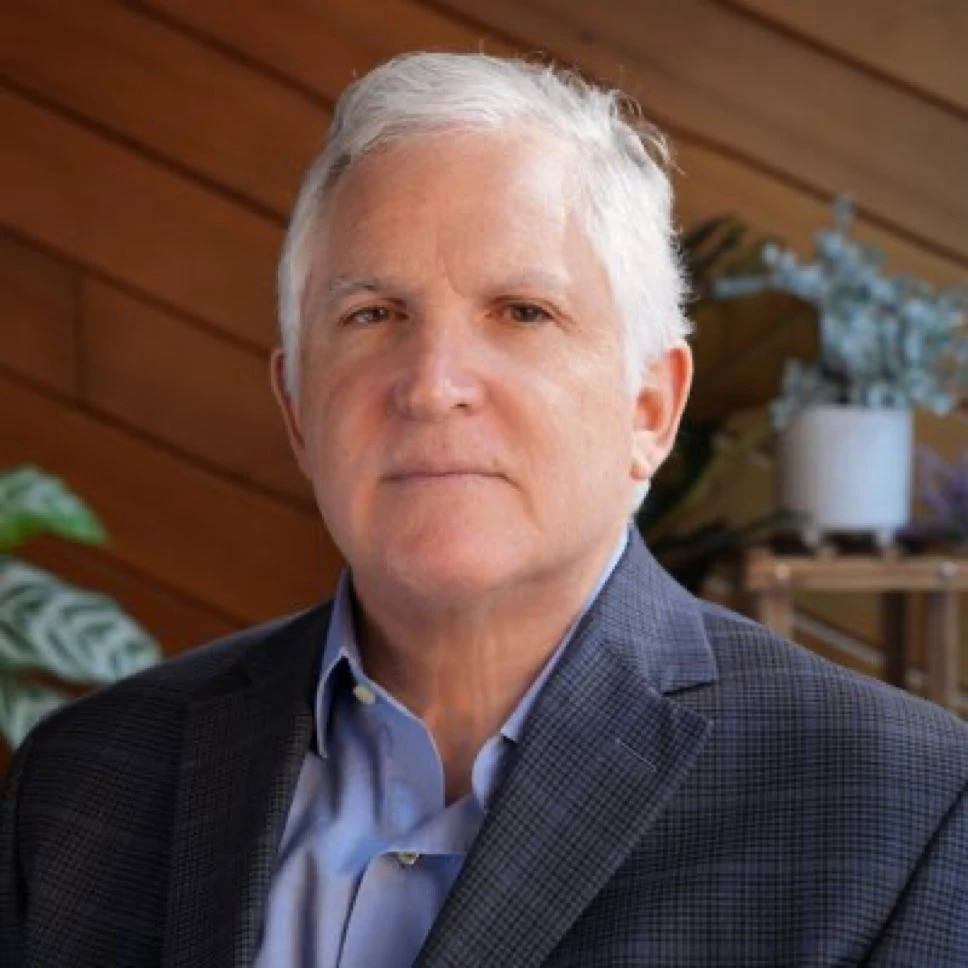
But as new shares enter the market, the shortage will diminish, Noble notes, and this will cause the stock price to lose its previous support. Starting in August, insiders’ shares will be gradually unlocked: first, large blocks of shares will hit the market following the quarterly earnings report, and then new tranches will be released every few weeks. By early September, shareholders will be able to sell up to 44% of the company’s shares, which, according to his calculations, will increase the number of shares in free float approximately tenfold. Even more shares could hit the market after the third-quarter report and in December, when the main lock-up period ends. In the summer of 2027, Elon Musk will also be able to sell his shares.
“And this avalanche of offers will flood the shares that the company deliberately allocated primarily to retail investors—after all, SpaceX set aside nearly 30% of the offering for individual investors, instead of the standard 10%. This deal has created more than 4,400 paper millionaires within the company. Do you think there won’t be any among them who want to convert these shares into real money?”
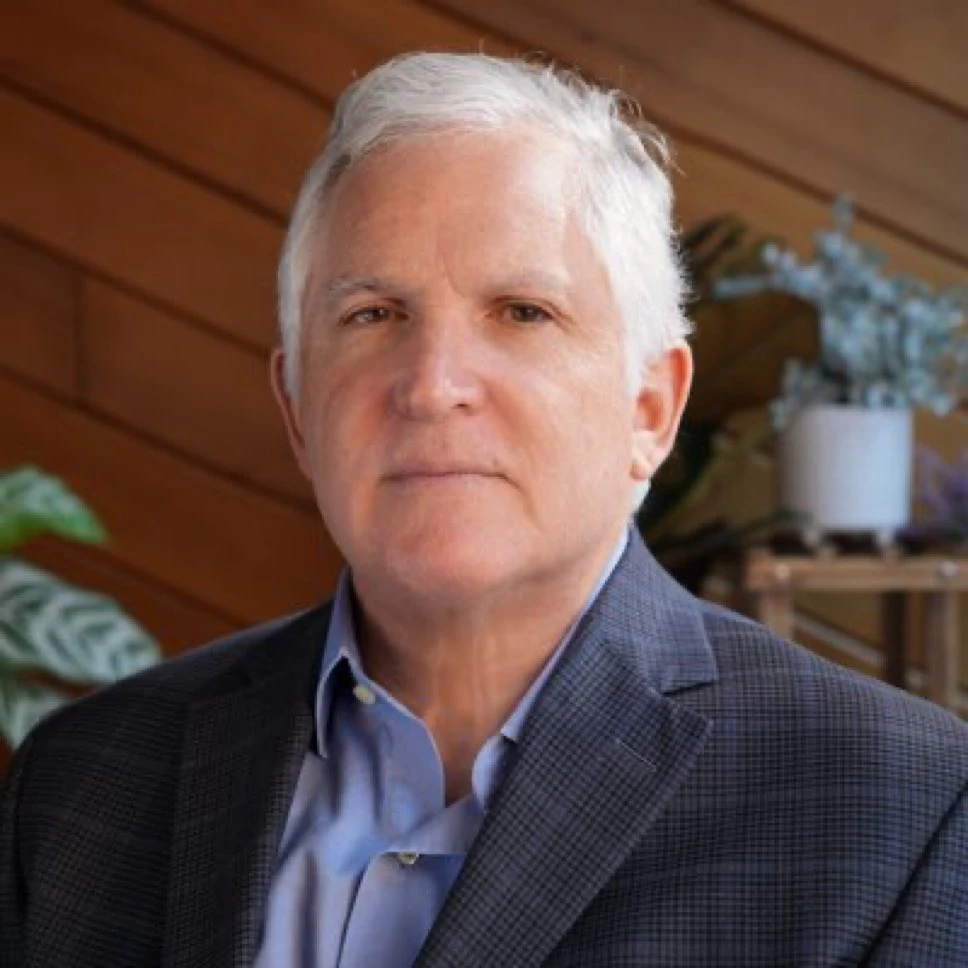
According to Noble, early shareholders are already hedging against a drop in the stock price using put options. He sees this as a sign that they are preparing to sell their shares once the restrictions are lifted.
"No one was more bearish on this trade than I was. I made that clear right at the start of trading, and everything is already unfolding exactly as expected: the stock has completely given up all its gains and fallen below the opening price."
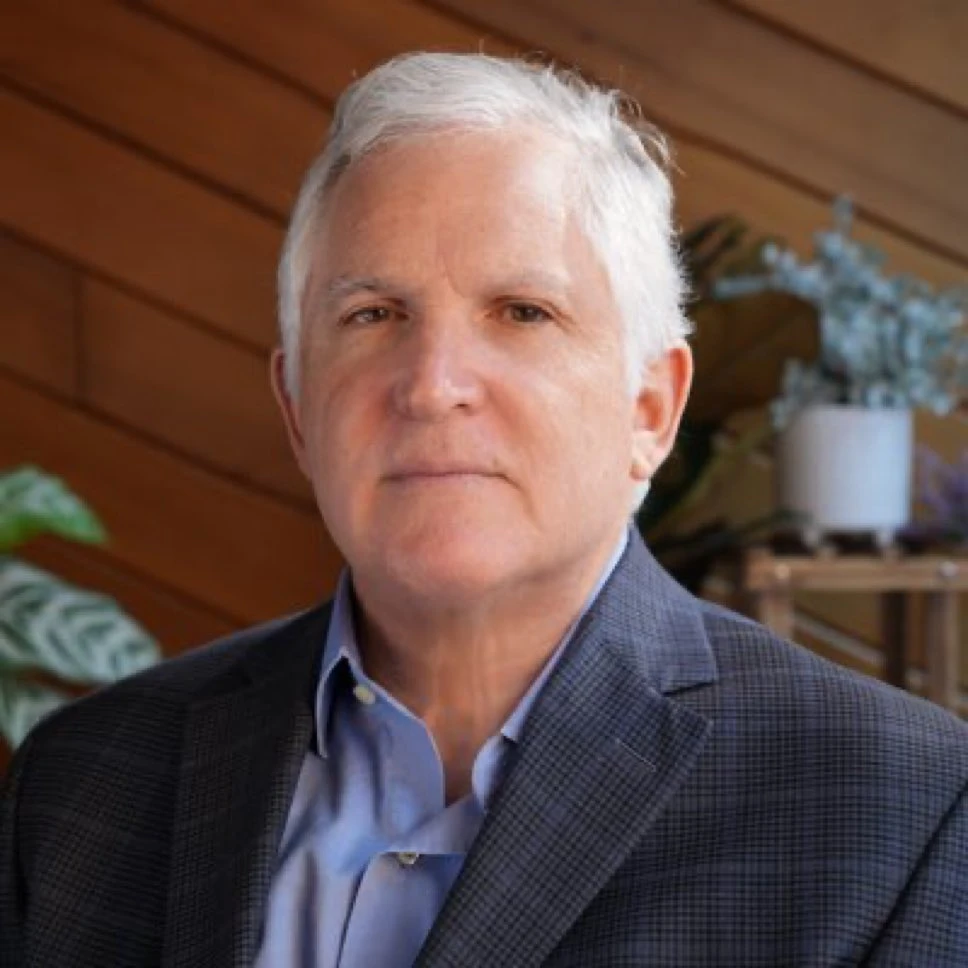
Noble writes that during his 40 years in the market, he has witnessed quite a few major crashes. And he describes the situation surrounding SpaceX as one of the largest instances of wealth redistribution, which is being presented to investors as an appealing story.
"SpaceX is going straight onto my shortlist. The beauty of this situation is that the trigger for the stock’s decline isn’t just my assumption—it’s literally spelled out in the published calendar (the stock unlock calendar—Oninvest). This is the most wildly overvalued large-cap stock I’ve ever seen.”
Context
After its IPO, SpaceX's stock price rose above $225, but has since fallen significantly. In the latest trading session on July 10, the company's stock closed at around $145—slightly above its IPO price.
Noble believes that the fair value of the company’s shares does not exceed $30. He is convinced that SpaceX’s valuation does not reflect its business performance. He cites Starlink as the company’s only consistently profitable division, generating about $5 billion in operating profit per year. Even under optimistic estimates, this business could be worth several hundred billion dollars, not the $2 trillion at which the market values SpaceX.
This article was AI-translated and verified by a human editor