With 90% Probability: Why the “Eternal Bear” Expects a Crash in SpaceX Stock
One of Wall Street’s most respected veteran investors doubts that expectations surrounding artificial intelligence, orbital data centers, and the colonization of Mars can justify the company’s inflated valuation

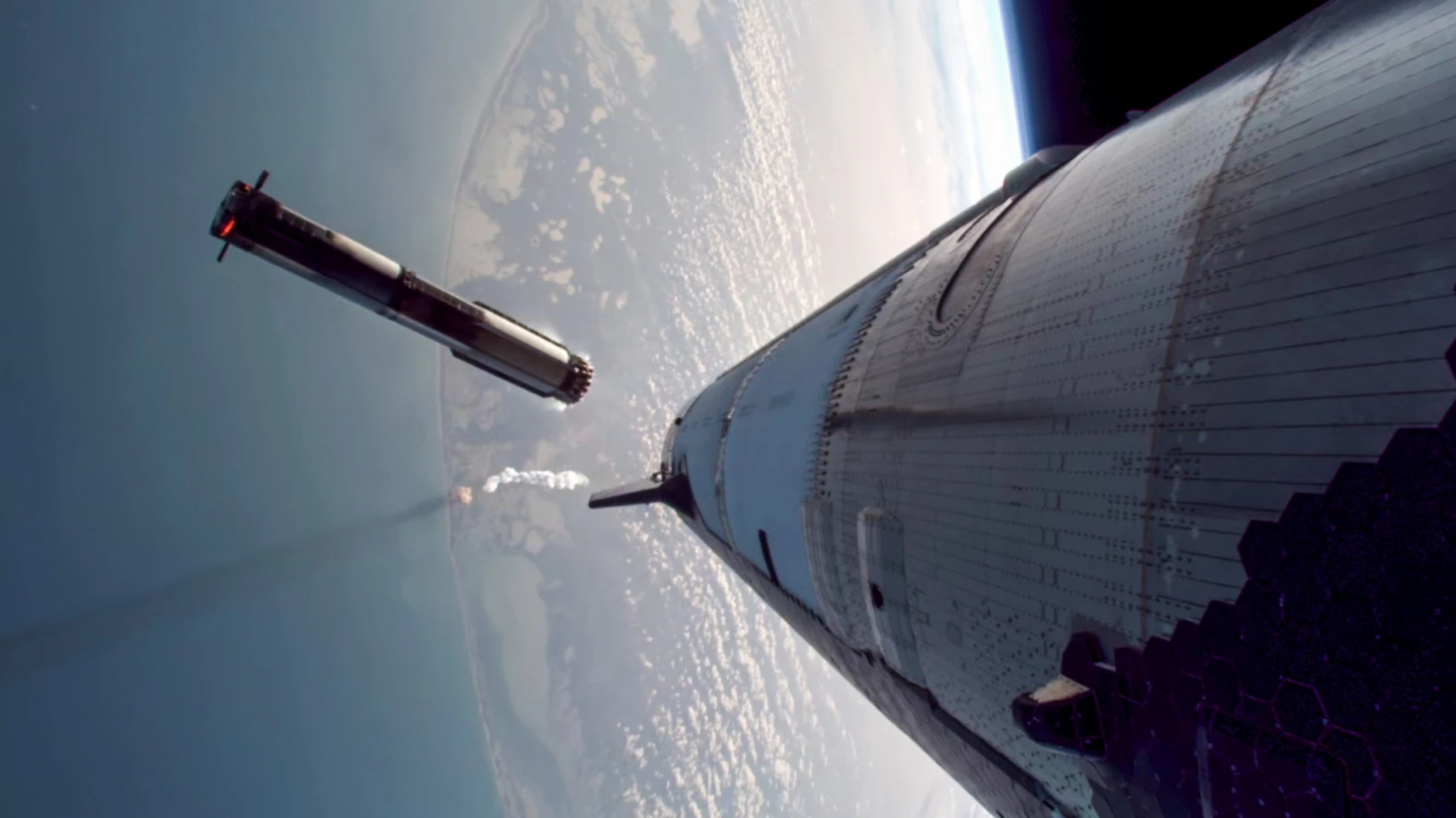
GMO Co-Founder Believes SpaceX's Plans to Conquer Space Are Unrealistic / Photo: X / SpaceX
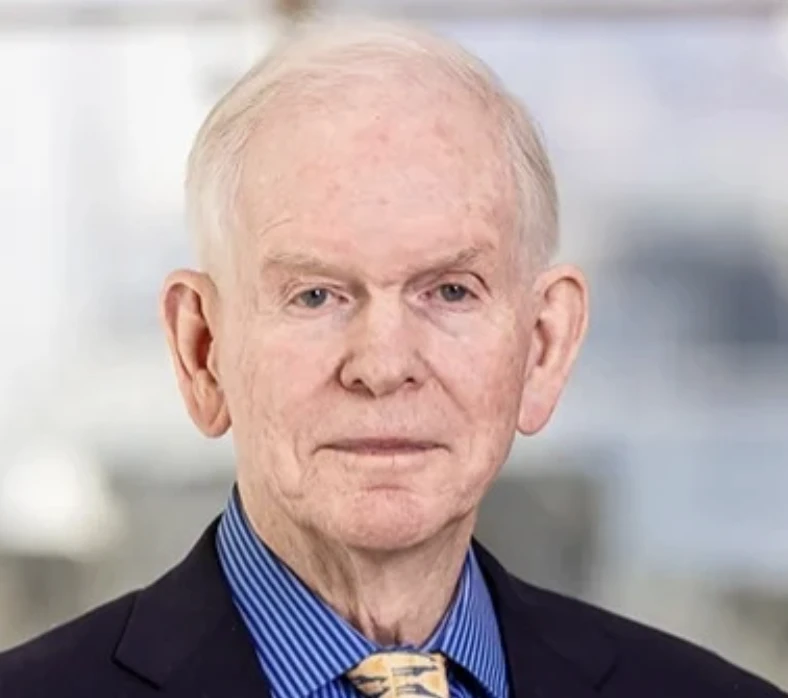
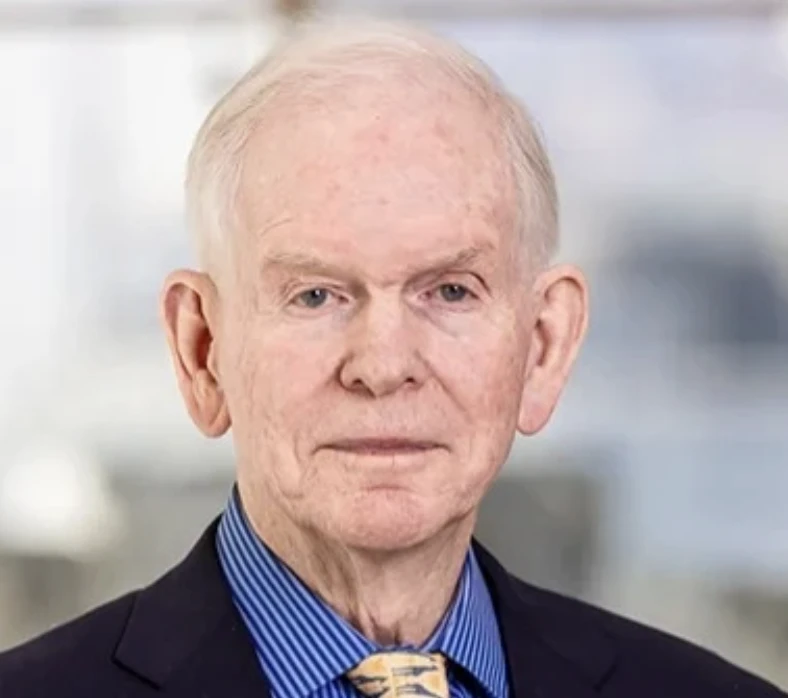
A crash in SpaceX’s stock price is virtually inevitable, according to GMO co-founder Jeremy Grantham: he estimates the probability of such a scenario at at least 90%. In the investor’s view, the company’s current valuation is based on an overly optimistic scenario for its future growth.
In an interview with Morningstar, Grantham—known on Wall Street as the “eternal bear” for his pessimistic forecasts— said he considers SpaceX’s expectations for artificial intelligence to be excessive, and that the company’s space projects are practically unfeasible. At the same time, the investor acknowledges that the stock could still rise significantly before a crash, and admits that Elon Musk has repeatedly demonstrated an ability to turn high investor interest into capital for his companies and then reinvest the funds raised into business development.
Details
One of the main reasons Grantham believes a crash in SpaceX’s stock is likely is the company’s current valuation of approximately $1.7 trillion. The investor calls this valuation excessive, since SpaceX remains a loss-making company: in 2025, it lost $4.9 billion. According to Grantham, such a valuation implies exceptionally high future performance, which he doubts is achievable.
In its IPO filing, SpaceX estimated its potential market at $28.5 trillion, with about 90% of that amount attributed to artificial intelligence. Grantham called these estimates astonishing: he considers SpaceX’s AI product to be third-rate and is convinced that it falls short of Anthropic, OpenAI, and other competitors in every respect.
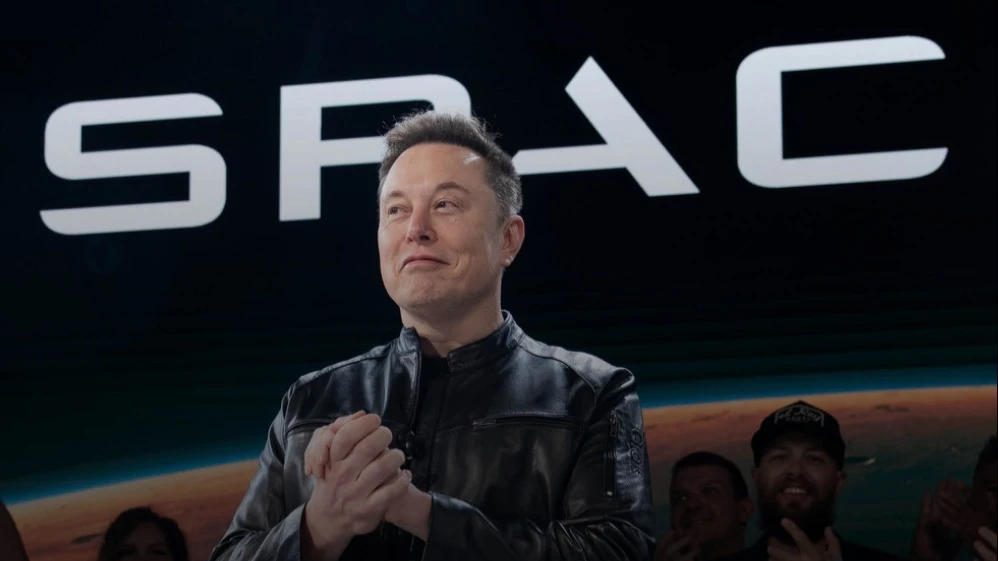
Grantham also does not believe in predictions that AI can boost a company’s productivity by 10–20% per year. In his view, such estimates overstate the technology’s capabilities: even the most advanced artificial intelligence does not eliminate the economy’s dependence on energy and raw materials, nor does it allow material goods to be produced out of thin air.
"Let me put it this way: if AI really turns out to be so good that a $1.7 trillion valuation seems low, and artificial intelligence itself becomes so powerful that our lives are under a very serious threat, I certainly wouldn’t wish that on humanity. So we should hope that all of this is just hype. Because if it isn’t—the consequences will be much worse.”
But Grantham distinguishes between the long-term outlook and near-term stock movements. First, he believes SpaceX shares could rise sharply: demand will outstrip supply, partly due to the company’s inclusion in the Nasdaq 100 index, which forces index-tracking funds to buy SpaceX shares. Therefore, its stock price may rise before the market revises its expectations for the company.
Especially since Musk has already succeeded in leveraging strong investor interest to grow his companies.
“Mr. Musk is very good at this: you drive up the stock price with talk until it’s five or six times its fair value, and then you sell a huge block of shares. And you’re so good at it that, instead of the price falling due to dilution, it holds steady, and very quickly the stock price is again several times higher than its fair value. Then you sell off another portion of your shares and reinvest the money in massive, state-of-the-art factories—mega-factories, giga-factories—and you turn that credibility and confidence into real value.”
According to Grantham, Elon Musk has probably mastered this approach better than anyone else in history. But the entrepreneur’s past successes do not guarantee that the same strategy will work for SpaceX, the investor says.
SpaceX’s plans to explore space raise just as many questions for Grantham. In its IPO prospectus, the company listed mining resources on asteroids, building data centers in Earth’s orbit, and establishing colonies on Mars among its long-term goals.
“Most of the spaceflight projects described in the prospectus are considered by serious physicists to be completely unthinkable—not just in the next ten years, but in the foreseeable future in general. It takes an enormous amount of energy just to get anywhere at all. Added to this is radiation, from which even a thick spacecraft hull offers no protection, and the radiation hazards of living on the Moon or Mars. People would have to live deep underground there. And how would they produce food? The list of such problems goes on and on.”
Context
After the IPO, SpaceX shares initially surged: during trading on June 16, they peaked at $225, but the rally then fizzled out. The stock is currently trading around $150—roughly the price at which it began trading on June 12.
SpaceX ranks seventh among the world's largest publicly traded companies by market capitalization. A significant portion of expectations for further growth is tied to artificial intelligence: in its S-1 filing, the company estimated the total potential market at $28.5 trillion, with about 90% of that amount attributed to AI.
This article was AI-translated and verified by a human editor