The Downfall of the Match King: How Ivar Krüger's Scam Changed the Financial World
He controlled 75% of the global match market, lent money to European governments, and promised a 20% annual return, but behind this global monopoly lay the largest Ponzi scheme of its time

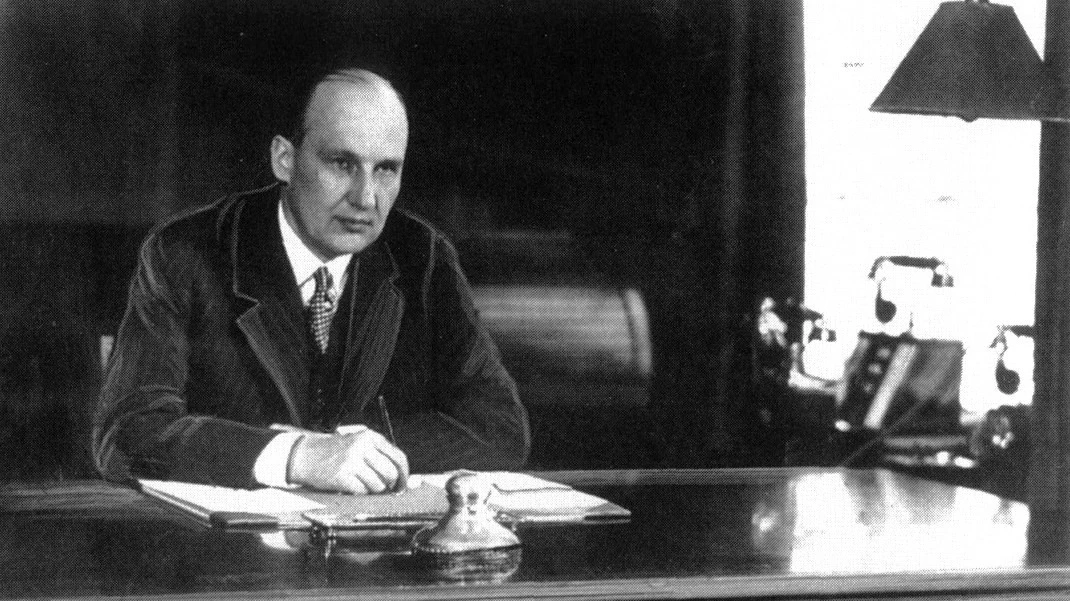
Ivar Kreuger in his office at the “Match Palace,” circa 1930. Photo: from the book *Ivar Kreuger: The Match King* by Lars-Erik Thunholm.
On March 12, 1932, Swedish businessman Ivar Krüger was found dead in his Paris apartment. A pistol lay next to his body. The French police concluded that the 52-year-old head of the business empire had taken his own life. The day before his death, he had met with his closest partners and was preparing for negotiations with Swedish banks, on which the future of his company depended.
Ivar Krüger built one of the largest empires of his time: he owned 400 companies in 43 countries and extended more than $300 million in loans to various governments. At the same time, for more than 20 years, he concealed his companies’ real financial problems and maintained investors’ confidence. His securities were backed by factories and other major assets—and it was hard to imagine that they were not generating the profits reported in the financial statements.
His story is that of an engineer who turned technology, monopolies, government loans, and the American capital market into a vast empire that collapsed under the weight of its own deceit.
From a Family-Owned Factory to $600 Million in Assets
Ivar Krüger was born in 1880 in Kalmar, Sweden, to a family of match factory owners, but initially chose a different career path. After graduating from engineering school, he worked abroad for several years; in 1908, Krüger returned to his homeland and, together with engineer Paul Toll, founded the construction company Kreuger & Toll. They were among the first in Sweden to use reinforced concrete in construction and quickly secured major contracts.
But as early as 1911, Krüger returned to the family match business, which was facing financial difficulties at the time. He first consolidated several small Swedish factories and then expanded production, primarily by acquiring competitors. Krüger integrated all stages of production—from raw material procurement to the manufacture of finished matches—acquired equipment manufacturers, and established his own international sales network. By the late 1920s, he owned 250 factories in 34 countries and controlled up to 75% of global match production.
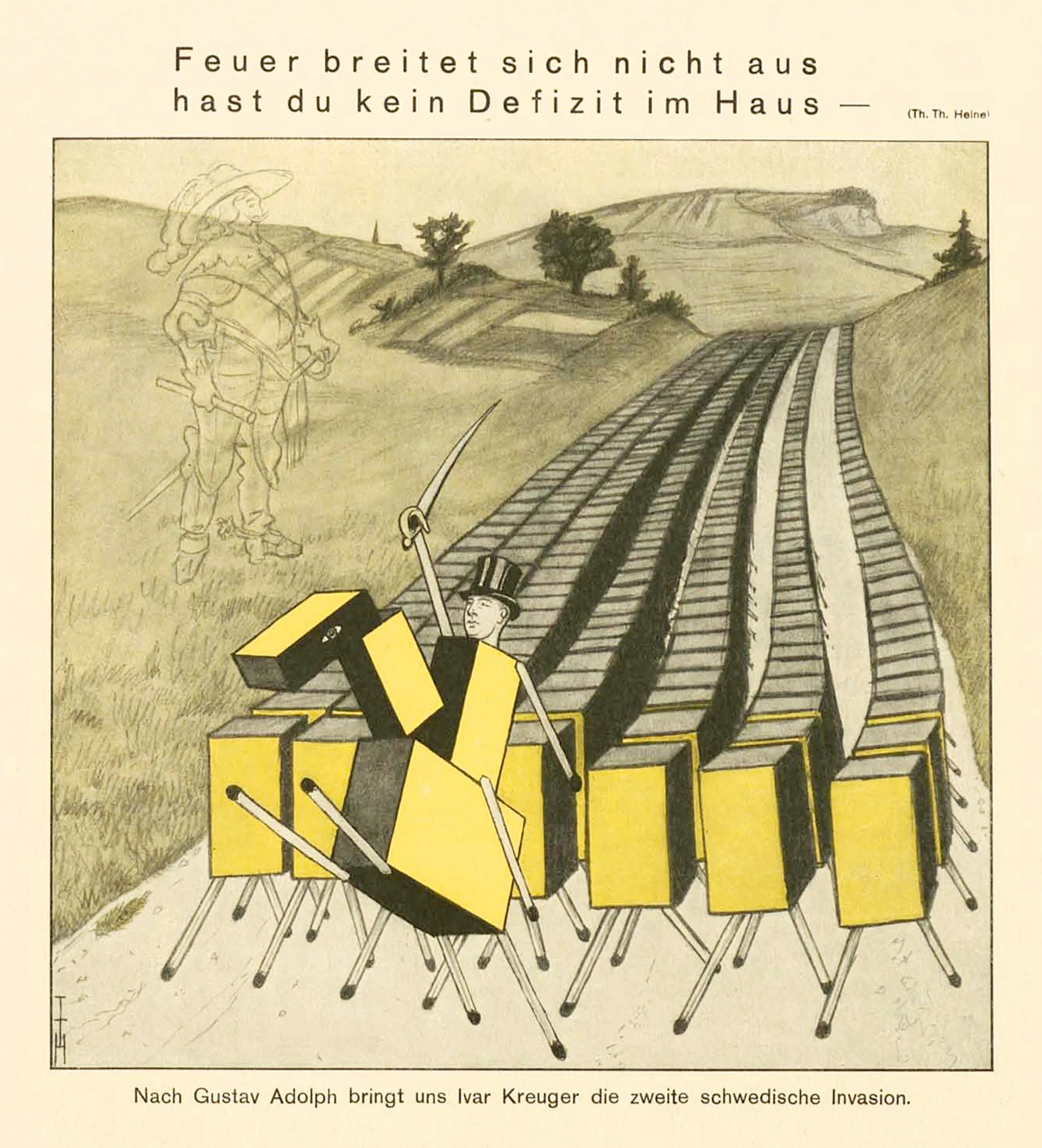
Cartoon by Thomas Theodor Heine: Ivar Krüger leads an army of matchboxes into Europe. Source: *Simplicissimus* magazine, 1929.
After achieving success in the match business (and earning the nickname “The Match King”), Krüger began investing in other industries as well. He held major stakes in Ericsson, Boliden, SCA, and other Swedish industrial companies, and invested in real estate and the financial sector. At its peak, the value of the companies and other assets under his control reached approximately $600 million.
How to Buy a Global Monopoly
One of Krüger’s main tools for expanding his business was lending to governments. After World War I, European countries needed money to rebuild their economies. Krüger offered governments large loans and, in return, secured monopoly rights for his companies to manufacture or sell matches.
Ivar Krüger loved lightning-fast deals: he would negotiate a loan directly with the finance minister or the government and could reach an agreement in principle in a matter of days. Speed was his competitive advantage: he flew his own planes, which was unusual for a European entrepreneur in the 1920s.
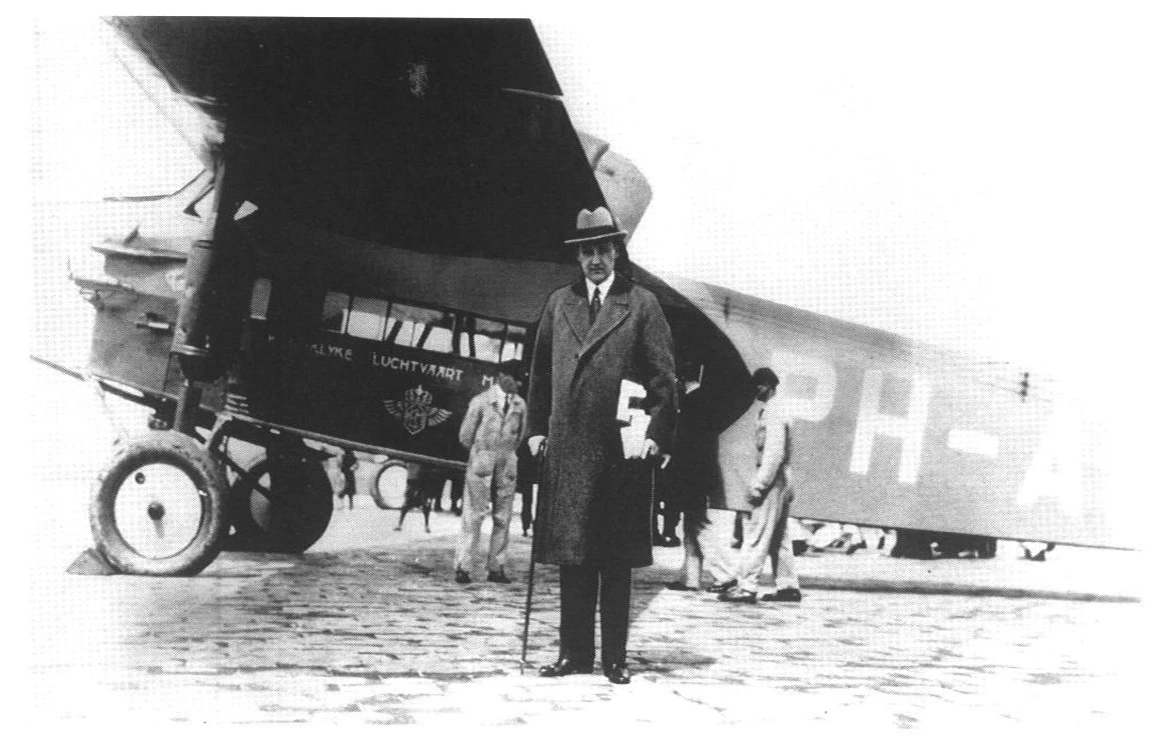
Ivar Kreuger, circa 1930. Source: the book *Ivar Kreuger: The Match King* by Lars-Erik Thunholm.
In 1927, Ivar Krüger provided France with a $75 million loan, and two years later, he negotiated a $125 million loan with Germany. In total, Krüger lent more than $300 million to European governments, and his companies were granted monopoly rights in 15 countries.
Krüger raised capital primarily in the United States. In 1923, together with the investment firm Lee, Higginson & Co., he founded the International Match Corporation—through which Krüger sold shares and bonds of his companies to American investors. He used the proceeds to make loans to governments and purchase new assets. These transactions expanded his empire; as the need for new capital grew, Krüger issued new securities.
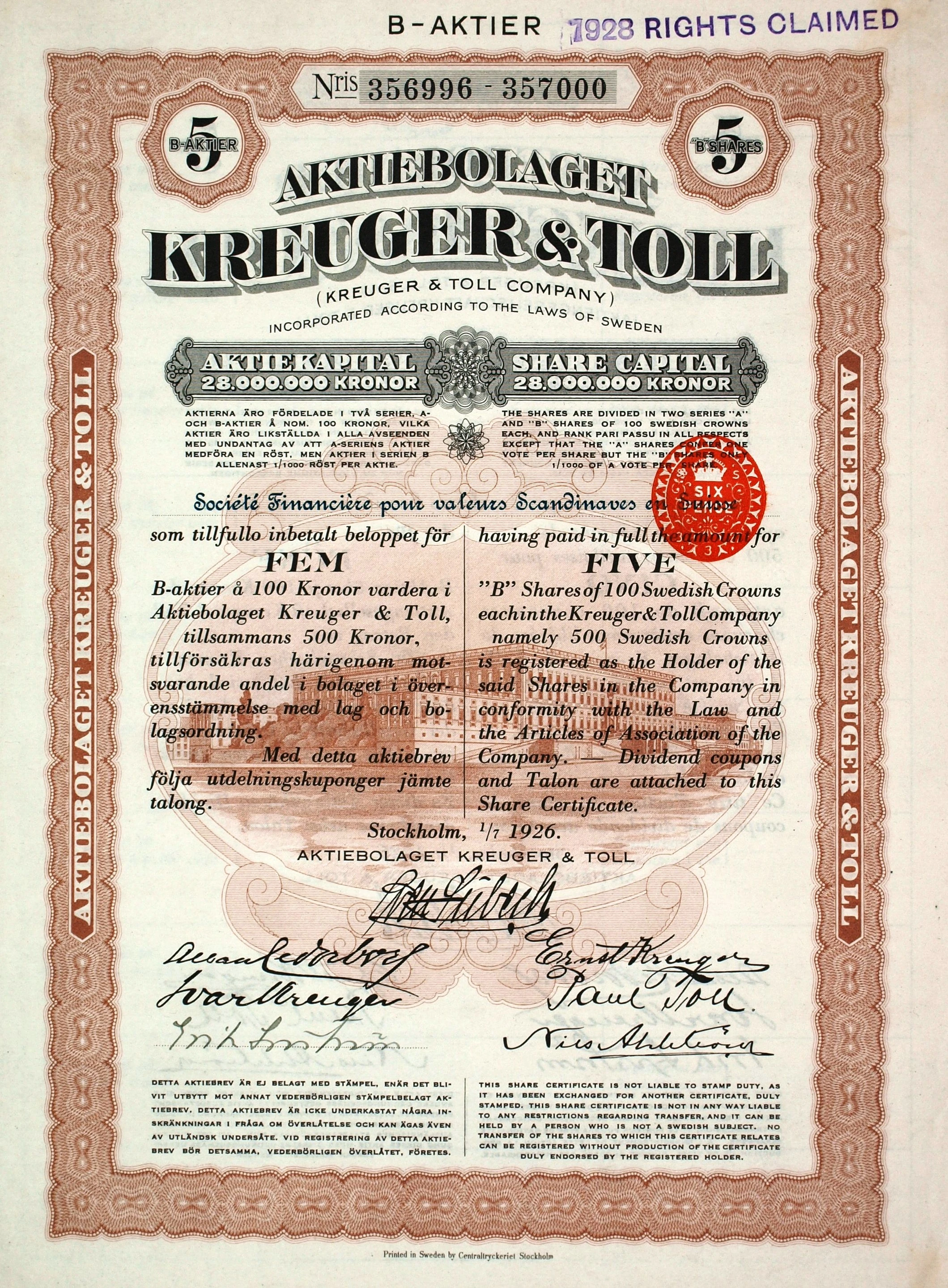
AB Kreuger & Toll Class "B" stock, issued on July 1, 1926. Photo: Wiki
Smoke and Mirrors: The Illusion of 20% Annual Interest
Krüger used part of the capital he raised to pay dividends and interest to investors, which makes the “match king” model similar to Charles Ponzi’s scheme. However, unlike his Italian counterpart, Krüger had a real business that generated revenue: more than 400 companies and holding companies in various countries, which earned over $300 million over 14 years—at least, that was the conclusion one could draw from their financial statements.
On some of Krüger's securities, investors earned more than 20% per year. The high returns seemed logical also because matches were a product in constant demand, and state monopolies protected Krüger from competitors.
After Krüger's death, the auditors were able to confirm only about $40 million in profits—at least 7.5 times less than what had been reported. According to their calculations, the profits from the match business were sufficient to pay investors about 1.5% per year.
It was difficult to assess the actual financial situation within Krüger’s empire due to its structure: some companies held stakes in others, and liabilities were spread across a multitude of legal entities. Banks, investors, and even the executives of individual companies could see the financial position of a specific entity, but not the entire system of cash flows and liabilities.
This complex financial structure allowed Krüger to shift funds to wherever money was needed at any given moment and to conceal one company’s problems by drawing on the resources of another. In the financial statements of individual companies, such transactions might have appeared as routine capital movements.
The Matchstick Palace
Krüger even turned his office into a showcase of the scale and solidity of his empire. He built his headquarters in central Stockholm, and journalists immediately dubbed the building “Matchstick Court.” And that was no exaggeration: Krüger had deliberately built a luxurious corporate headquarters. Leading Swedish architects, artists, and designers worked on the building, and the interior featured marble, mahogany, and expensive textiles. Images of fire, stars, and light were repeated throughout the palace—references to matches and the company’s symbolism.
The “Match Palace” housed about 100 offices, 20 meeting and conference rooms, as well as laboratories, archives, 24 safes, and the world’s first match museum, which held more than a thousand exhibits. Its own telegraph station allowed for the rapid exchange of messages with partners and offices in other countries. In Krüger’s office stood a marvel of technology for its time—an Ericsson telephone with a speakerphone.
The main conference room had been designed with particular care. It featured a large, curved table, and above each chair hung a small drawing related to one of the markets for Swedish matches. Ivar Krüger’s seat was marked with a sun symbol. The layout of the room and the table gave Krüger a full view, while it was difficult for the other participants to communicate with one another.
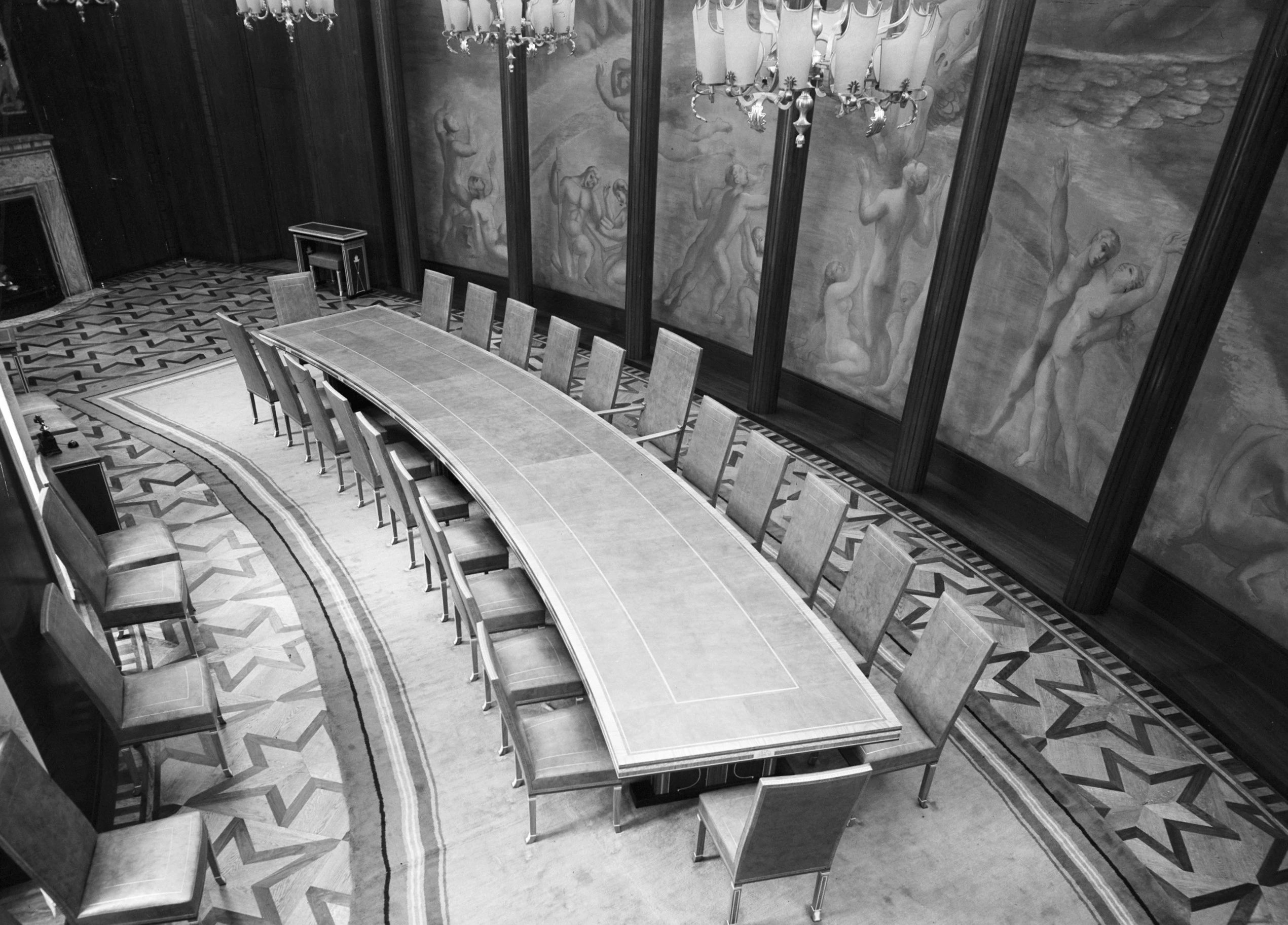
The meeting room in the “Matchstick Palace.” In the center is Ivar Krüger’s chair: it was taller than the others, with a high back and armrests. 1926–1929. Photo: Wiki
Behind Krüger hung an 18-meter-long painting by Isaac Grünewald titled “Dawn.” In it, Prometheus brought fire and light to humanity—the same motifs were repeated in other interior details and alluded to the company’s flagship product. The “Match Palace” was completed in November 1928, when Krüger’s empire was at its peak. Less than four years remained before its collapse.
How Ivar Krüger's Bubble Burst
The crash of the U.S. market in the fall of 1929 did not bring down Krüger’s empire immediately. He continued to pay dividends and enter into new deals, hoping that the crisis would be short-lived and that he would soon be able to return to his previous method of raising capital.
However, the Great Depression dragged on, banks began to tighten credit, and it became increasingly difficult to conduct new offerings. In March 1929, Kreuger & Toll shares were trading above $46 in New York, but by the end of 1931, their price had fallen to $4.50.
The liabilities hadn’t gone anywhere: in 1931 alone, Krüger had to pay more than $120 million. In June, Krüger sold a significant portion of his stake in Ericsson to the American company International Telephone and Telegraph. But ITT soon claimed that Krüger had misrepresented Ericsson’s financial situation during the sale and demanded the return of $11 million.
In early 1932, Krüger turned to Sweden’s largest banks for support. This time, the creditors agreed to provide funds only after verifying the empire’s financial situation. Ivar Krüger committed suicide on March 12, 1932.
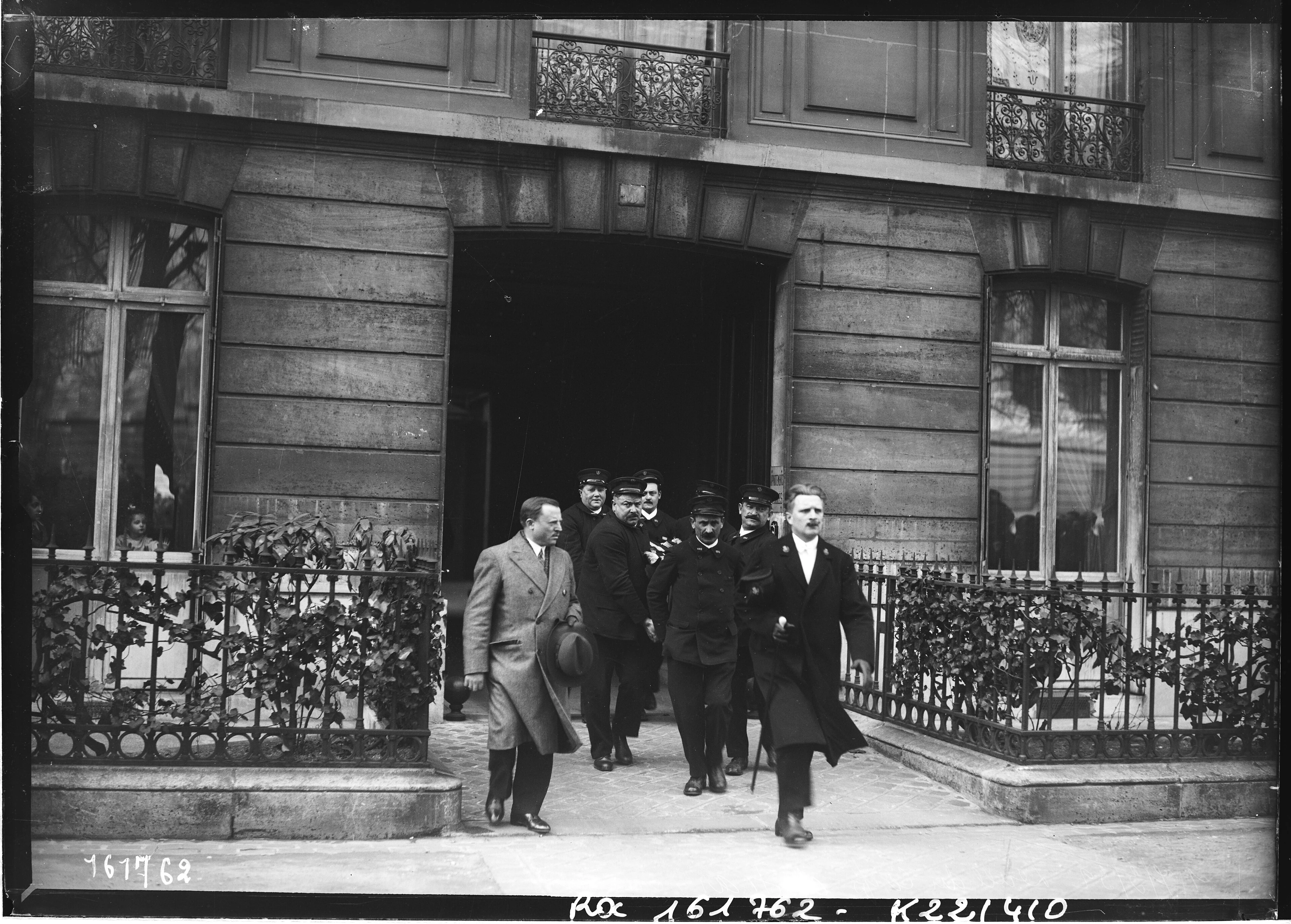
The removal of Ivar Krüger's body, March 1932. Photo: Archives of the National Library of France.
After the businessman’s death, it turned out that approximately $250 million in assets listed in his companies’ financial statements simply did not exist. On April 16, The New York Times reported that counterfeit Italian bonds worth more than $100 million had been found in Krüger’s safe. He had forged these securities while he was still alive to compensate International Match Corporation for the disappearance of approximately $50 million in German bonds, which he had previously used in other transactions.
On May 24, 1932, Kreuger & Toll was declared bankrupt in Sweden, and on August 6, in the United States. It was the largest bankruptcy of that time.
The collapse of Kruger's empire influenced the regulation of the U.S. market. In the United States, this scandal became one of the reasons for tightening disclosure requirements for companies. In 1933, Congress passed the Securities Act, which required companies to disclose to investors complete and accurate information about their securities offerings and financial condition prior to the sale of stocks and bonds.
Rhymes with Modernity
Kruger’s story took place nearly a century ago, but one of the key strategies that helped him maintain investor confidence is well known in today’s market as well. A large, operational business in and of itself makes financial statements more credible: if a company has real customers, revenue, and assets, it is harder to assume that some of the figures might be fabricated.
Nearly a century later, Krüger’s story parallels several financial scandals. Wirecard had a legitimate payment business, but the €1.9 billion that was supposedly held in trust accounts in Asia did not actually exist. The financial service Anchor Protocol promised investors a 20% annual return, but a significant portion of these payments was financed not by the service’s revenue but by external injections of capital. As soon as the inflow of capital dried up, the structure became unsustainable.
This article was AI-translated and verified by a human editor