"The bar is being raised for any IPO": What signal does the cancellation of Firmus's listing send to the market?

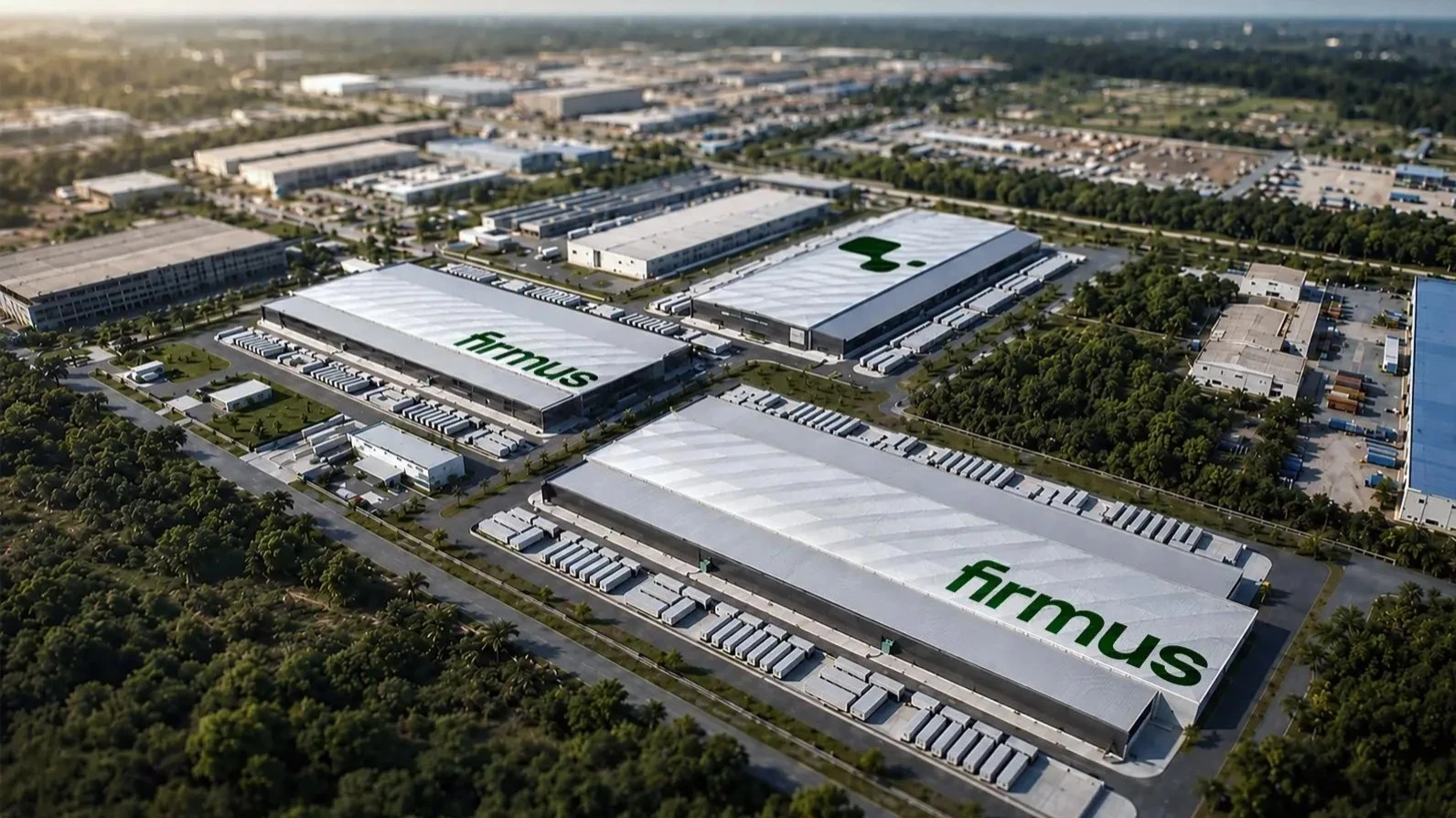
Investors are beginning to demand clearer guarantees for AI-related investments / Photo: Firmus
The cancellation of the IPO by Australian data center operator Firmus Grid, which is backed by Nvidia, reflects the rapidly growing Asian IPO market, according to Bloomberg. After more than a year of fundraising deals aimed at developing AI infrastructure, investors have become much more selective about projects whose valuations depend on future profits, the agency notes.
Details
According to Bloomberg, since the beginning of the year, IPOs, secondary offerings, and block trades (the sale of large blocks of shares in public companies, typically to institutional investors) in the Asia-Pacific region have already raised nearly $250 billion for companies — in addition to an estimated $260 billion in 2025.
However, the agency notes that signs of growing anxiety have become apparent in the market. For example, shares of Apple supplier — Luxshare Precision Industry — have plummeted by nearly 20% in Shenzhen since the beginning of January, while shares of AI infrastructure developer Zhongji Innolight have fallen by about 7% since its July listing in Hong Kong. The stock prices of Chinese AI model developers Z.AI and MiniMax have plummeted by more than 70% and 80%, respectively, from their all-time highs.
Investors are beginning to draw a clear distinction between companies that have a proven track record of success and are able to monetize their solutions, and those that are at an earlier, more capital-intensive stage of their life cycle, Bloomberg explains.
“Investors are asking who is paying for this [AI infrastructure development] and at what cost of capital. This raises the bar for every deal, and investors will be much less forgiving of optimistic forecasts,” said Max Herron-Wellacott, a portfolio manager at Sydney-based Private Portfolio Managers.
For data center operators such as Firmus, the dividing line lies between existing facilities that generate immediate revenue and new multi-gigawatt projects launched with multi-billion-dollar debt financing, says Winston Ma, executive director of the Forum of Global Public Investment Funds at NYU School of Law and a partner at Dragon Global Family Office.
According to him, Firmus’s decision to cancel its IPO is a clear signal that public markets are reassessing the valuation of AI infrastructure. “In Asia, where a significant portion of next-generation AI data centers is expected to be built, the bar for any IPO is rising. Sponsors will need more reliable long-term capacity sales contracts, a clearer understanding of how many megawatts are actually connected to the grid, and more conservative assumptions regarding debt burden,” Ma added.
This article is being updated
This article was AI-translated and verified by a human editor