The ECB left interest rates unchanged following its first rate hike since 2023

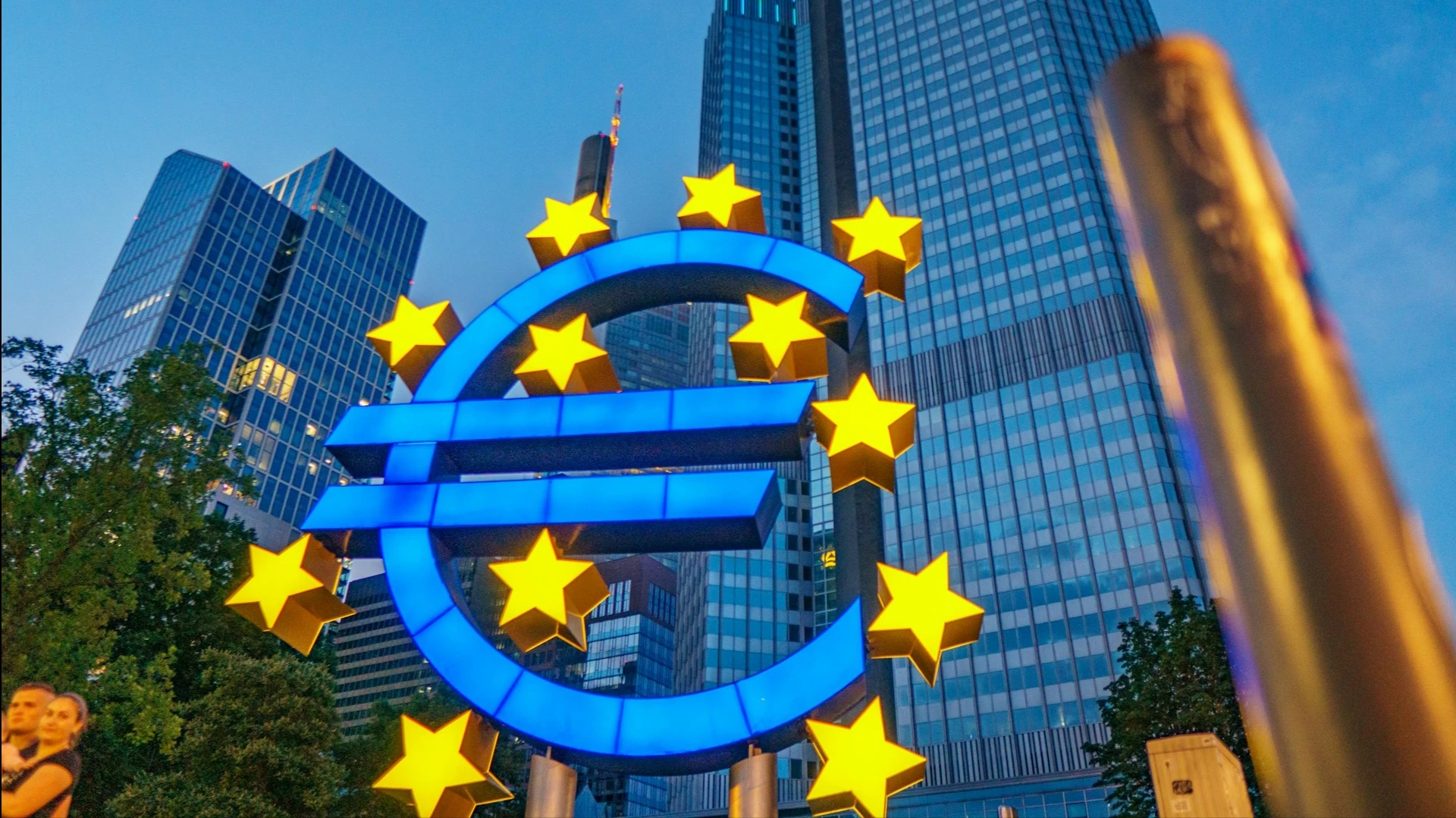
A pause in rate hikes will allow the ECB to assess the impact of the escalating conflict in the Middle East / Photo: Unsplash/Masood Aslami
The European Central Bank left its three key interest rates unchanged following its July 23 meeting—at 2.25%, 2.4%, and 2.65%.
Details
“The outlook for energy prices, while extremely volatile, is now close to the baseline estimates made by Eurosystem staff in June and well above the levels seen before the conflict in the Middle East. Uncertainty remains high, and the full inflationary impact of the energy shock has not yet materialized,” the regulator stated.
The ECB aims to bring inflation back to its 2% target and will make further decisions on interest rates based on incoming data on inflation and related risks, as well as economic and financial data. The ECB’s Governing Council does not follow any predetermined monetary policy path, according to the statement.
Major European stock indices fell during trading on Thursday, July 23, following the ECB’s decision. Specifically, the pan-European Stoxx 600 lost 0.8%, the German DAX fell 0.7%, the British FTSE dropped 0.2%, and the French CAC 40 declined 1.2%.
What does that mean?
The ECB’s decision to keep interest rates unchanged was expected, despite oil prices rising by more than 30% in July, according to the Financial Times. A month ago, at its meeting, the ECB raised interest rates for the first time since 2023—by 25 basis points. The regulator became the first among the G7 countries to resume tightening monetary policy.
Financial markets are currently pricing in two more ECB interest rate hikes of 25 basis points each by the end of this year, with the first expected at the regulator’s September meeting, Reuters noted. Keeping rates unchanged now “leaves the door wide open” for the next rate hike in September, agreed Carsten Junius, a senior economist at J Safra Sarasin, as quoted by the FT. The fact that the ECB chose to mention in its statement the inflationary impact of the energy shock—which has not yet fully materialized—indicates an attempt by the regulator to “maintain ‘hawkish’ market sentiment,” said ING currency strategist Francesco Pesole in a report by the FT.
In June, the regulator also raised its inflation forecast for the eurozone for 2026—from 2.7% to 3%. By comparison: in June , prices rose 2.8% year-over-year, slowing from 3.2% in May. Core inflation, which excludes volatile food and energy prices, also slowed more than expected.
This article was AI-translated and verified by a human editor