Iran announced that an agreement with Oman on traffic in the Strait of Hormuz would soon be reached
The parties have not yet disclosed exactly what the deal will entail. The United States has consistently opposed charging ships a fee for passing through the Strait of Hormuz, but negotiations involving the U.S. have reached an impasse

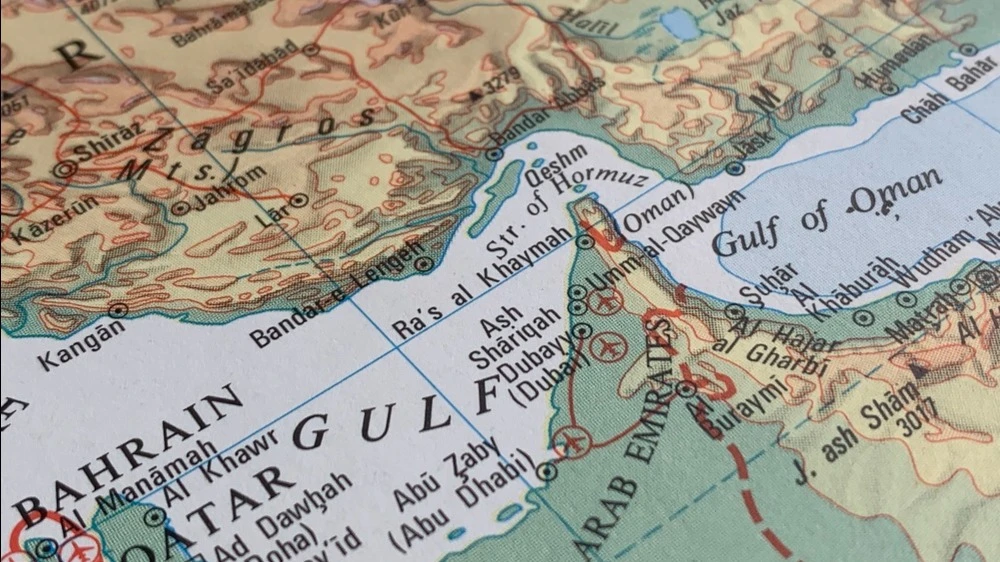
Oil prices have slowed their rise—some traders hope the deal will help increase ship traffic through the Strait of Hormuz, even if the U.S. does not participate / Photo: AustralianCamera / Shutterstock
An agreement between Iran and Oman on the management of ship traffic through the Strait of Hormuz may be concluded within the next few days, Esmail Baghai, a spokesman for the Iranian Ministry of Foreign Affairs, told reporters at a briefing, according to Iranian state media, including Iran Online.
Details
Negotiations with Oman, which have been ongoing for the past few weeks, are in their final stages, an official said: “The agreement will likely be registered with the International Maritime Organization in the coming days,” he added. This involves formalizing the agreements with a specialized UN agency responsible for maritime safety and global shipping, Bloomberg explains.
According to Baghai, the agreement will define a “temporary safe route through the Strait of Hormuz.” The Iranian Foreign Ministry spokesperson did not specify whether it would include a requirement for commercial vessels to pay for passage through this waterway. “I hope that certain unscrupulous parties will not interfere in this process [of ratifying the agreement] and will allow it to proceed in a reasonable and logical manner,” Baghai concluded.
What's Happening in the Oil Market
Oil prices slowed their rise following Bagai’s statements: November Brent futures, after reaching an intraday high of $97.93, fell to $96.66 per barrel, while WTI, which had jumped to $93 on Monday amid new U.S. strikes on Iranian tankers, was trading at $91.52 at the time of publication. This market reaction suggests that some traders believe: the agreement between Iran and Oman will help increase the throughput of tankers and other commercial vessels through the Strait of Hormuz, even if the U.S. is unlikely to be involved in determining which specific vessels will be allowed to pass through it, according to Bloomberg.
Context
It became known back in April that Iran and Oman—separately from the negotiations between Washington and Tehran—were drafting a protocol to monitor shipping through the Strait of Hormuz. In late August, a representative of Iran’s Islamic Revolutionary Guard Corps announced that the parties had reached an agreement on the “revenue sharing” from traffic through this sea route. Previously, the United States had consistently opposed charging commercial vessels a fee for passage through the Strait of Hormuz. Last month, U.S. President Donald Trump even threatened Oman—a traditional ally of Washington—with military strikes if its authorities “stood in the way” of the United States in concluding a deal with Iran. However, negotiations between the U.S. and Tehran have reached an impasse in recent months. Last week, American and Iranian military forces resumed exchanging fire on each other’s positions in the Middle East. And ship traffic through the Strait of Hormuz over the past 10 days has fallen to its lowest level since May.
This article was AI-translated and verified by a human editor