The Nasdaq 100 Index closed the trading session in correction territory

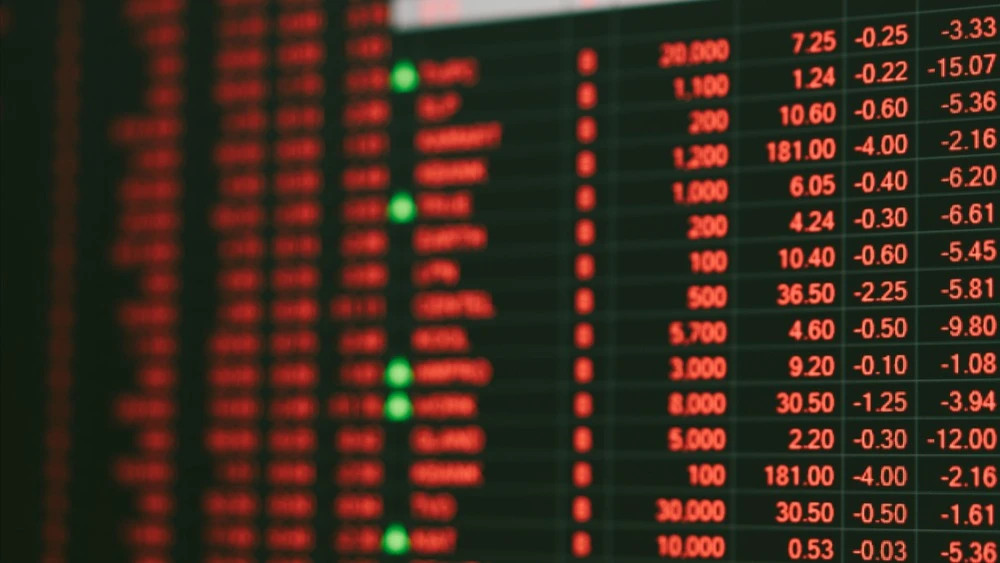
The PHLX Semiconductor Index, which includes shares of semiconductor developers and manufacturers, is falling for the fifth consecutive day / Photo: Shutterstock.com
The Nasdaq 100 Index, which is dominated by large-cap technology companies, has entered a correction phase amid rising government bond yields, according to Barron’s.
The index closed 1.8% lower on July 29 than it had the previous day. As a result, its decline from the previous high, reached on June 2, exceeded 11%. A 10% drop from a peak is considered to mark the start of a correction.
The S&P 500 broad-market index fell 1.5% on Wednesday, while the Dow Jones Industrial Average, a blue-chip index, lost more than 2%. The PHLX Semiconductor Index, which includes shares of semiconductor developers and manufacturers, fell 5.3%. Chipmakers’ shares have been falling for the fifth consecutive trading session.
Markets opened the day under pressure from high oil prices due to a new escalation in the Middle East. After the Fed decided to keep rates unchanged despite inflationary pressures, the S&P 500 and Nasdaq briefly moved into positive territory but then resumed their decline. At the Fed meeting, three voting officials—more than expected—voted against the decision in favor of raising rates. Fed Chair Kevin Warsh stated at a press conference that the central bank is not deviating from its 2% inflation target, but did not provide details on what might prompt the Fed to reconsider its policy. Amid the uncertainty, traders sold off long-term U.S. Treasury bonds. The yield on 30-year Treasuries rose to its highest level since 2007.
This article was AI-translated and verified by a human editor