Wall Street analysts are divided in their forecasts for the dollar in the second half of the year
No one denies that there are positive factors affecting the currency

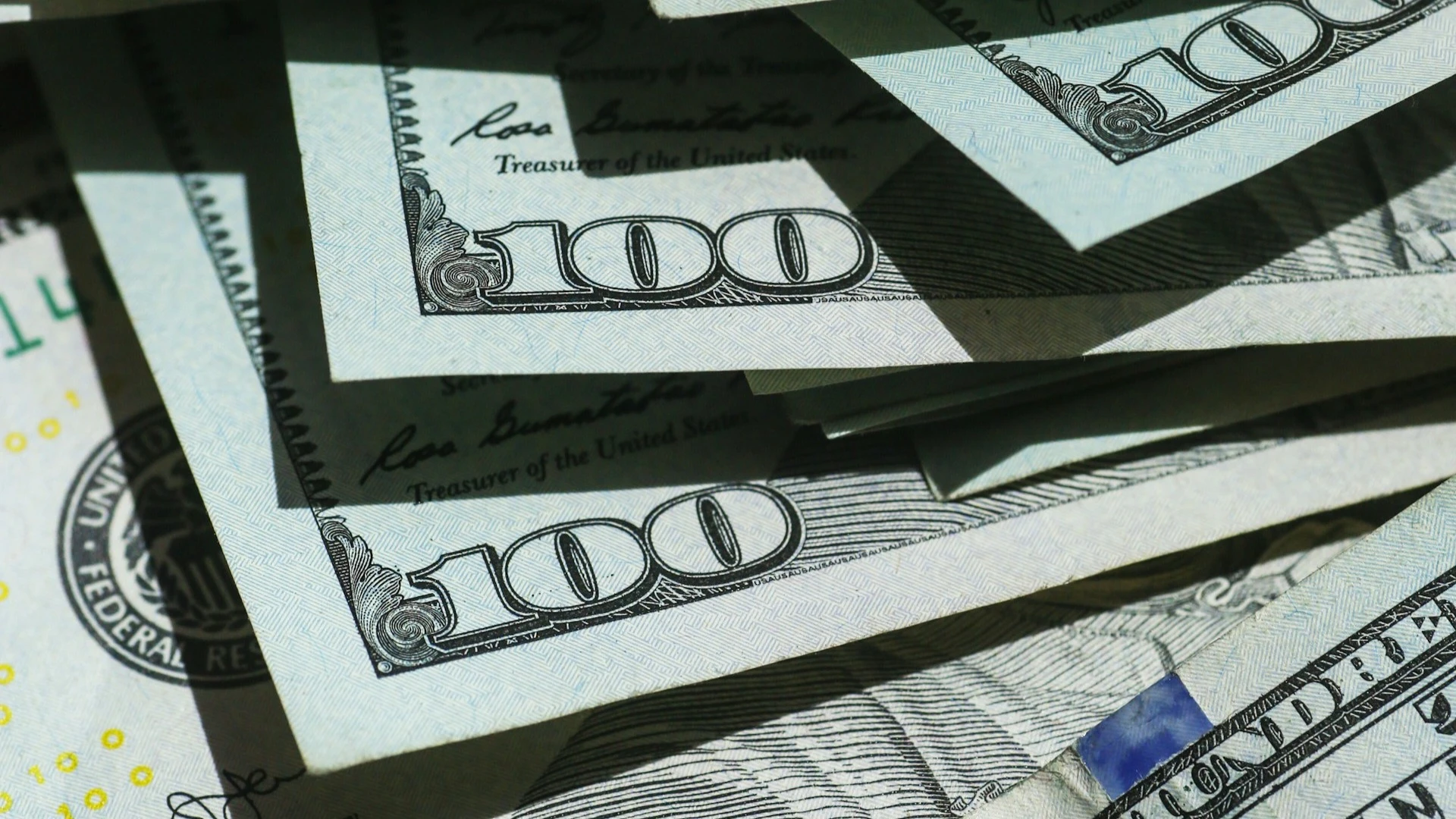
Analysts at U.S. banks are divided on the outlook for the dollar over the next six months / Photo: Unsplash/Giorgio Trovato
After posting its strongest gain since the start of the conflict in the Middle East in June, the U.S. dollar fell following the release of weak employment data. Although speculative bets on further appreciation of the U.S. currency have reached a one-and-a-half-year high, some of the largest banks, including Morgan Stanley and TD Securities, have already begun to suggest that the dollar’s rise is nearing its limit. On the other hand, JPMorgan, Goldman Sachs, Bank of America, and HSBC continue to forecast further appreciation of the U.S. currency.
Here's what Wall Street is saying about the outlook for the world's leading currency.
Details
The Bloomberg Dollar Spot Index rose 2% in June: against this backdrop, the volume of speculative bets on a stronger dollar reached a high not seen in about a year and a half, according to Bloomberg.
"The dollar looks overbought and overvalued. The Fed may turn out to be less 'hawkish' (inclined to tighten monetary policy. — Oninvest), than interest rate markets currently expect,” said Valentin Marinov, head of G10 currency research at Credit Agricole, as quoted by Bloomberg.
A similar view is held, in particular, by strategists at Morgan Stanley, who stated last week that they are not prepared to “chase” the dollar’s rise, while Eurizon SLJ founder Stephen Jen believes the market has overreacted to expectations regarding Fed policy and that there may be no further rate hikes in the current cycle. TD Securities strategists also expect the dollar to begin weakening later this year. According to them, as the global economy stabilizes, geopolitical risks subside, and the interest rate differential between the U.S. and other countries narrows, the U.S. dollar’s advantage will diminish, Bloomberg reports.
Those who take a cautious view of the dollar do not believe that the fundamental factors supporting the U.S. currency have disappeared, but they do believe that they are already largely priced into the current exchange rate, the agency explained.
Anyone who doesn't share this pessimism
Many major banks remain optimistic about the dollar. Analysts at JPMorgan, Goldman Sachs, Bank of America, and HSBC believe that the U.S. currency will continue to strengthen thanks to the resilience of the U.S. economy and the likelihood that the Fed will keep interest rates high longer than the market expects, according to Bloomberg. “The interest rate differential will continue to favor the dollar, as the U.S. economy continues to outperform other countries,” Bloomberg quotes Commonwealth Bank of Australia strategist Samara Hammoud as saying.
Analysts cite large-scale investments in AI infrastructure as another factor supporting the dollar, as these investments are driving profit growth for U.S. companies and attracting foreign capital to the U.S. stock market, according to Bloomberg.
What's Happening to the Dollar?
The dollar index, which tracks the U.S. currency against a basket of currencies including the yen and the euro, fell 0.56% on Thursday to 100.83. Earlier during trading on July 2, it had dropped to 100.55—its lowest level since June 18—and was on track for its biggest one-day decline since April 30, Reuters reported.
In recent months, the dollar has been bolstered by growing expectations that the Fed will raise interest rates. Against this backdrop, the U.S. dollar surged to its highest level in more than a year in mid-June.
Context
Following the release of the June U.S. labor market report, expectations of further monetary tightening by the Fed have eased somewhat. Nonfarm payrolls rose by only 57,000—half of what had been forecast—while the unemployment rate fell to 4.2% from 4.3%. In addition, the figures for April and May were revised downward.
Against this backdrop, traders scaled back their bets on a Fed rate hike as early as July: according to Bloomberg, the probability of such a move fell from about 33% to 20% following the release of the data.
This article was AI-translated and verified by a human editor