The U.S. and Russia Are Discussing a Multibillion-Dollar Deal Involving Lukoil Assets — NYT

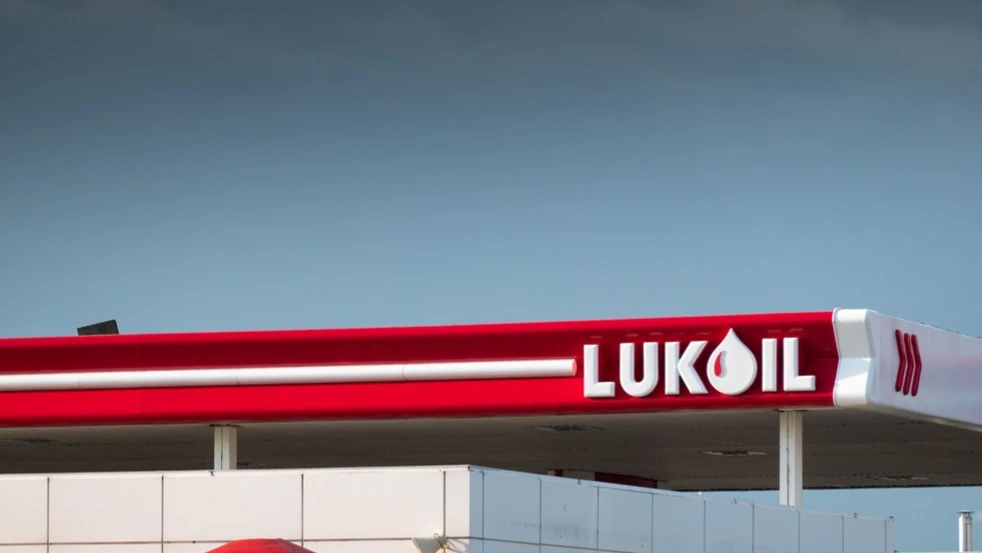
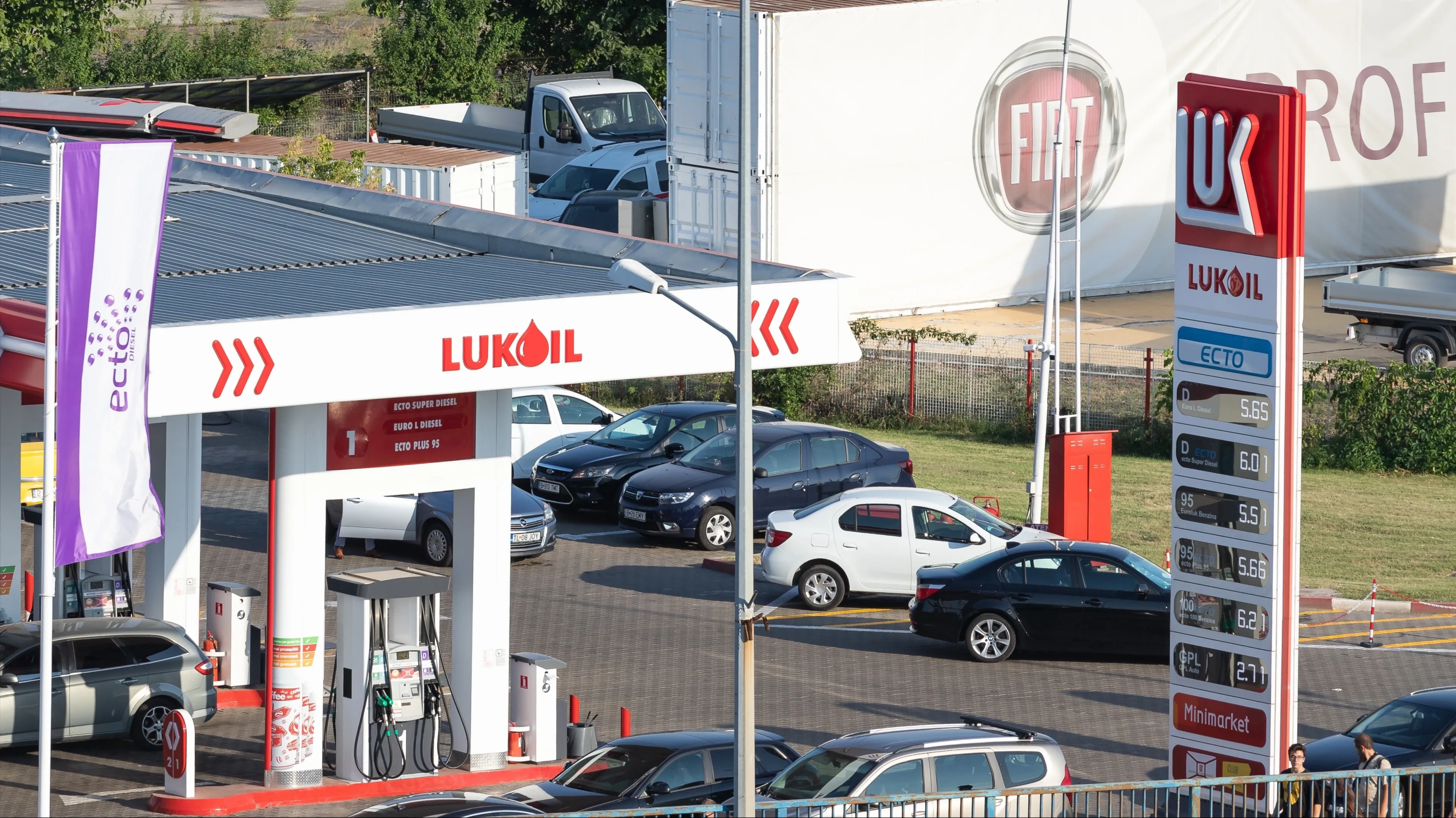
U.S.-Russia talks on Ukraine now include the issue of Lukoil's overseas assets / Photo: Dragos Asaftei / Shutterstock.com
Negotiations between the U.S. and Russia over Ukraine have “expanded” and now include the fate of Lukoil’s overseas assets, which the company was forced to put up for sale due to sanctions, The New York Times reported, citing sources.
According to their reports, Russian President Vladimir Putin first raised this issue during a meeting with U.S. President Steve Whitcoff and Donald Trump’s son-in-law, Jared Kushner, at the Kremlin on September 5. According to one of the publication’s sources, Putin proposed seeing the deal through to the end to prove that Russians can do business with the U.S. The American negotiators promised to look into the matter, seeing it as a way to simultaneously win the Kremlin’s favor and lower global energy prices, the source said.
Why Is This Important?
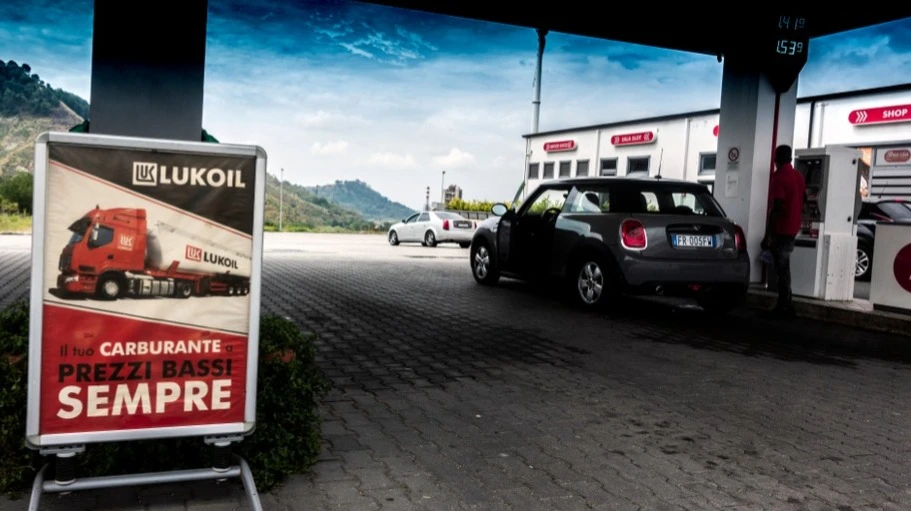
The deal involves a large portfolio of energy assets of various types, ranging from oil fields in Cameroon and oil refineries in Europe to gas stations in New Jersey, according to the NYT. Lukoil had previously valued these assets at $20 billion. Their fate now depends on Putin and Trump, the NYT reports.
Buyers of the portfolio stand to benefit significantly: U.S. approval of the sale will free the assets from American sanctions, which will instantly increase their value, the publication notes. Among the bidders are Middle Eastern companies linked to U.S. negotiators with Russia. This intertwining of personal business ties with geopolitics seems telling even for the current White House administration, which has repeatedly rejected accusations of a conflict of interest, the newspaper emphasizes.
Who is laying claim to Lukoil's assets?
The leading group of bidders includes American investor Todd Bowley, owner of the Los Angeles Dodgers and a former shareholder of Chelsea, who donated $2 million to support Trump. He is part of a consortium that includes brothers Mutaz and Ramez Al-Hayat from Qatar. In 2025, they attended Trump’s inauguration and subsequently struck a deal with Kushner and his wife, Ivanka Trump, to finance the construction of a resort in Albania.
Another member of the consortium is an investment fund based in Abu Dhabi, managed by Sheikh Tahnoun bin Zayed Al Nahyan. In 2025, an affiliate of the fund purchased $2 billion worth of cryptocurrency from World Liberty Financial—a company co-founded by Whitcoff—which generated $799 million in income for Trump last year, according to the NYT.
The U.S. government will also receive a stake in the company acquiring Lukoil’s assets—through the DFC, a government agency that invests in projects outside the United States. In September, the Financial Times reported that the DFC is set to acquire about 15% of the acquiring company and, together with Bowley, control a majority of the seats on the board of directors. This puts the U.S. government in an unusual position: one of its agencies is vying for the assets, while another is deciding their fate, the publication noted.
A DFC spokesperson told the NYT that the agency’s involvement in the deal would strengthen economic security and help lower energy prices for ordinary Americans and advance U.S. foreign policy. A White House spokesperson confirmed to the NYT that Whitcoff and Kushner were involved in negotiating the terms of the government’s participation, seeking “a substantial upfront payment and a share of the profits for the U.S.”
There is no evidence that Whitcoff or Kushner have a personal financial interest in the deal, the NYT notes. A spokesperson for Whitcoff stated that he “has no conflict of interest or financial stake in this matter” and that he “does not receive a salary and flies around the world on his own plane at his own expense,” while working for Trump in the interest of peace.
Context
The U.S. imposed sanctions on Lukoil about a year ago, forcing the company to put its overseas portfolio up for sale. In January, the American investment group Carlyle reached a preliminary agreement to purchase a large stake in these assets. But approval of the deal has been delayed, and in recent months, a group led by Bowley has taken the lead, according to the NYT.
Due to the protracted process, the U.S. Treasury Department has already extended the validity of the sanctions licenses several times, allowing Lukoil gas stations in the U.S. and other countries to continue doing business with their financial partners. The latest extension is valid through October 29.
This article was AI-translated and verified by a human editor