The US Federal Reserve has cut rates for the first time in 2025. What will happen to stocks?

The US Fed resumed rate cuts for the first time in 2025 and after five consecutive meetings where it remained unchanged. The Ma also projected another 50bp cut this year, as well as one cut in 2026. The S&P 500 index started to rise immediately after the decision, but then reversed and began to decline. Analysts warned that an actual rate cut combined with a historically weak end of September for stocks is not a good combination for the stock market.
Details
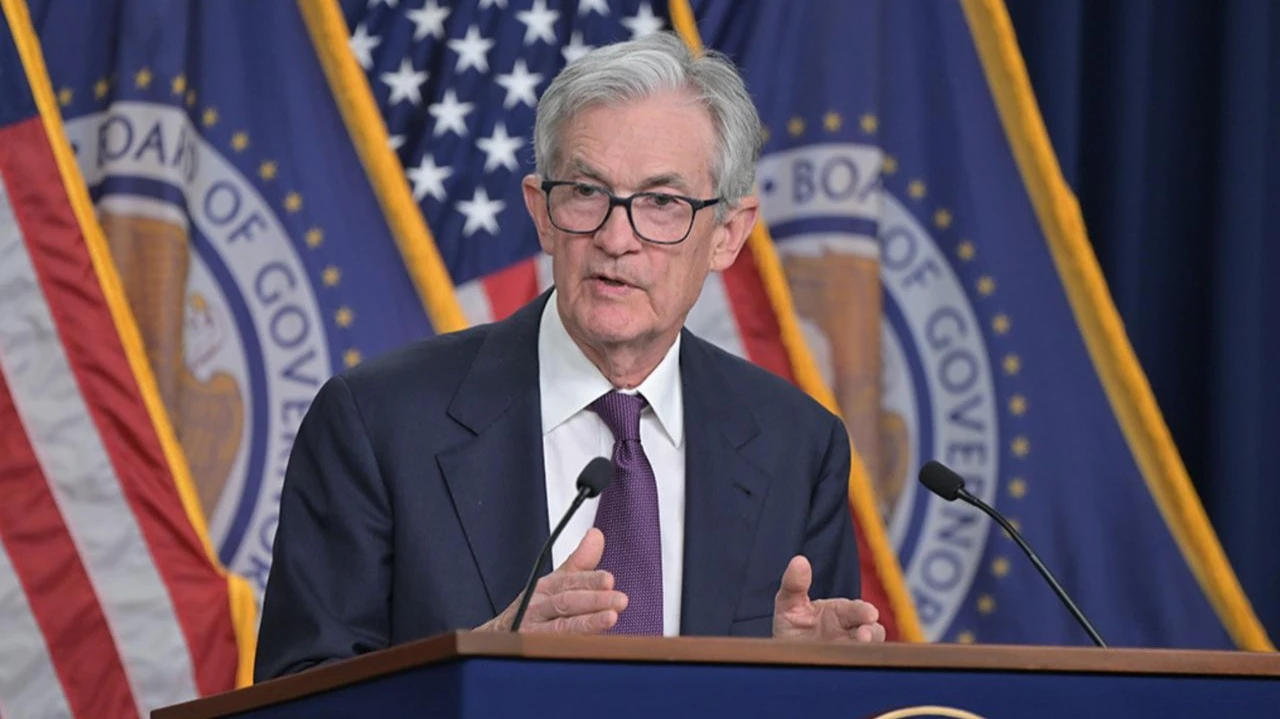
The Federal Open Market Committee of the US Federal Reserve System (FOMC) reduced the key rate by 25 bp. Now it is 4-4.25%, follows from the message on the regulator's website. This decision was made following a two-day meeting on September 16-17. The rate cut coincided with the expectations of economists and market participants, as shown by the FedWatch tool from CME Group.
"Recent indicators suggest that growth in economic activity slowed in the first half of the year. Job gains declined and the unemployment rate rose slightly but remains low. Inflation has picked up and remains slightly above target," according to a release on the regulator's website.
Uncertainty about the outlook for the economy remains high, the FOMC said. It remains "strictly committed" to supporting maximum employment and returning inflation to the 2% target, it said. At the same time, the regulator for the first time this year abandoned the characterization of the state of the labor market as "stable" (solid): this is quite a significant change in the Fed's assessment, Bloomberg noted.
In addition, as follows from the so-called dot plot published by the Fed, the regulator expects to reduce the rate by another 50 bps this year. In 2026, the regulator forecasts a reduction by another 25 bp.
The FOMC held a vote in a renewed composition. Stephen Miran, nominated by Donald Trump and supporting the president's idea of the need to ease monetary policy, joined the committee, Yahoo Finance notes. At the same time, Lisa Cook, whom Trump tried to fire, retained her seat on the committee for now.
Miran was the only one to vote against a 25bp cut. - He was in favor of a 50 bp cut. The other 11 FOMC members supported a quarter percentage point cut.
How the market reacted
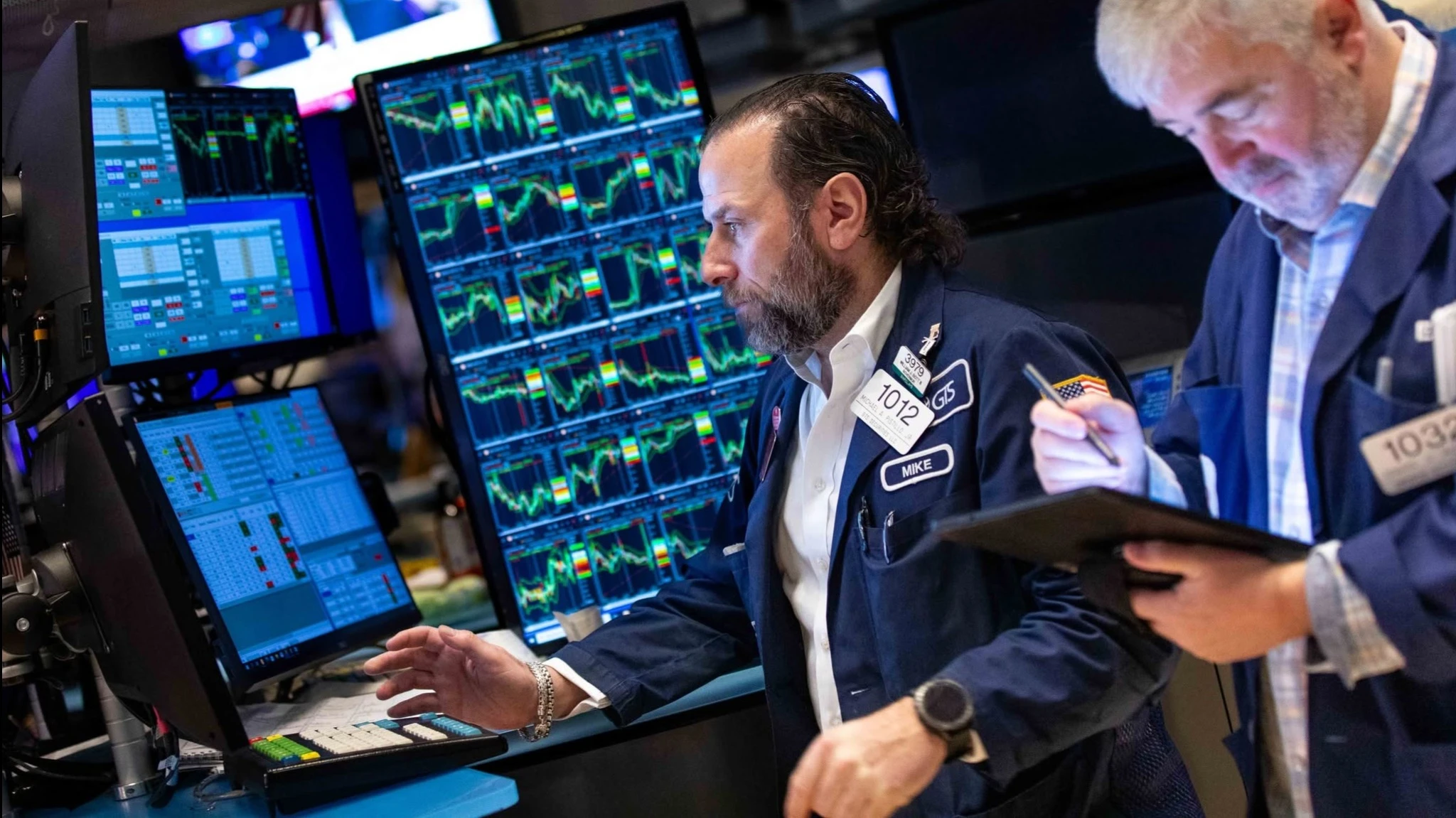
Three of the four major U.S. stock indices rose immediately after the publication of the Fed's decision. The S&P 500 index added about 0.05% at the moment, although before that it was mainly declining. "Technological" Nasdaq Composite was losing 0.4%, and the index of "blue chips" Dow Jones rose by almost 1%. The Russell 2000 index of small-capitalization companies was adding 0.7%.
However, the S&P 500 then began to fall again (by about 0.3%), the Nasdaq accelerated its decline to 0.9%, and the Dow slowed to 0.6%. In contrast, the Russell 2000 accelerated to +2% and hit an all-time high for the first time since 2021. Smaller players are generally considered more sensitive to monetary policy easing, Bloomberg points out.
The Bloomberg Dollar Index hit a 2025 low following the Fed's rate decision, reports said.
What's next
A rate cut could pose risks to stocks, bonds and the dollar if markets see it as the result of political pressure rather than a reflection of the Fed's economic outlook, JPMorgan chief global strategist David Kelly warned this week. He advised investors to take a more cautious stance and consider diversification after the recent rally. According to the strategist, "markets are overheated" and policy easing is more likely to dampen demand than strengthen it and "will ultimately be negative for stocks, bonds and the dollar."
In addition to JPMorgan, strategists at Morgan Stanley and Oppenheimer also warned of more cautious market sentiment. They fear that a rate cut of only 25 basis points will not solve the problems of a weakened labor market and investors will shift their attention to the threat of economic slowdown.
The Fed's rate decision also coincides with a traditionally weak period for U.S. stocks - the last days of September, which increases the risks for the ongoing rally, Barron's writes. According to Bank of America, since 1928, the last 10 trading days of the month have been the worst of the year for the S&P 500 index, with an average decline of 0.6% over that period. In the first year of the new administration, the decline was even more pronounced, down 1.6%. "The market may not react positively to a rate cut, as it likely only signals a slowing economy," Adam Parker, founder and CEO of Trivariate Research, responded in a statement to Barron's.
Rate cuts at times when the S&P 500 is less than 1% from an all-time high often result in pullbacks, states Doug Ramsey, chief investment officer at Leuthold Group. "Of the 35 rate cuts since 1996, only six have come at times when the index was within 1% of the record," he emphasized. - On average, the index has fallen 15.3% from its annual high after such cuts."
Citigroup analyst Scott Kronert also warned that the rate cut will not have the same impact on the market: it is more likely to indicate short-term weakness in the economy. Nevertheless, his baseline forecast is for slow but steady growth, not recession. The biggest beneficiaries, according to Kronert, will be so-called "growth stocks" - securities of companies that are growing rapidly and reinvesting profits in expansion. "The expected trajectory of rates with slow but positive economic growth only reinforces our recommendation to bet on this segment," the analyst emphasized in a note cited by Barron's.
Brian Butel, managing director of UBS Wealth Management, is more positive. He also recognizes that September was indeed often a weak month for the market. However, he sees such corrections as an opportunity for investors to buy stocks. The bull market is likely to gain momentum through 2026, he says, thanks to the sustained earnings growth of bigtechs on the back of the AI boom.
This article was AI-translated and verified by a human editor