Trump has promised more attacks on Iran. Oil rises in price, stock sell-off accelerates


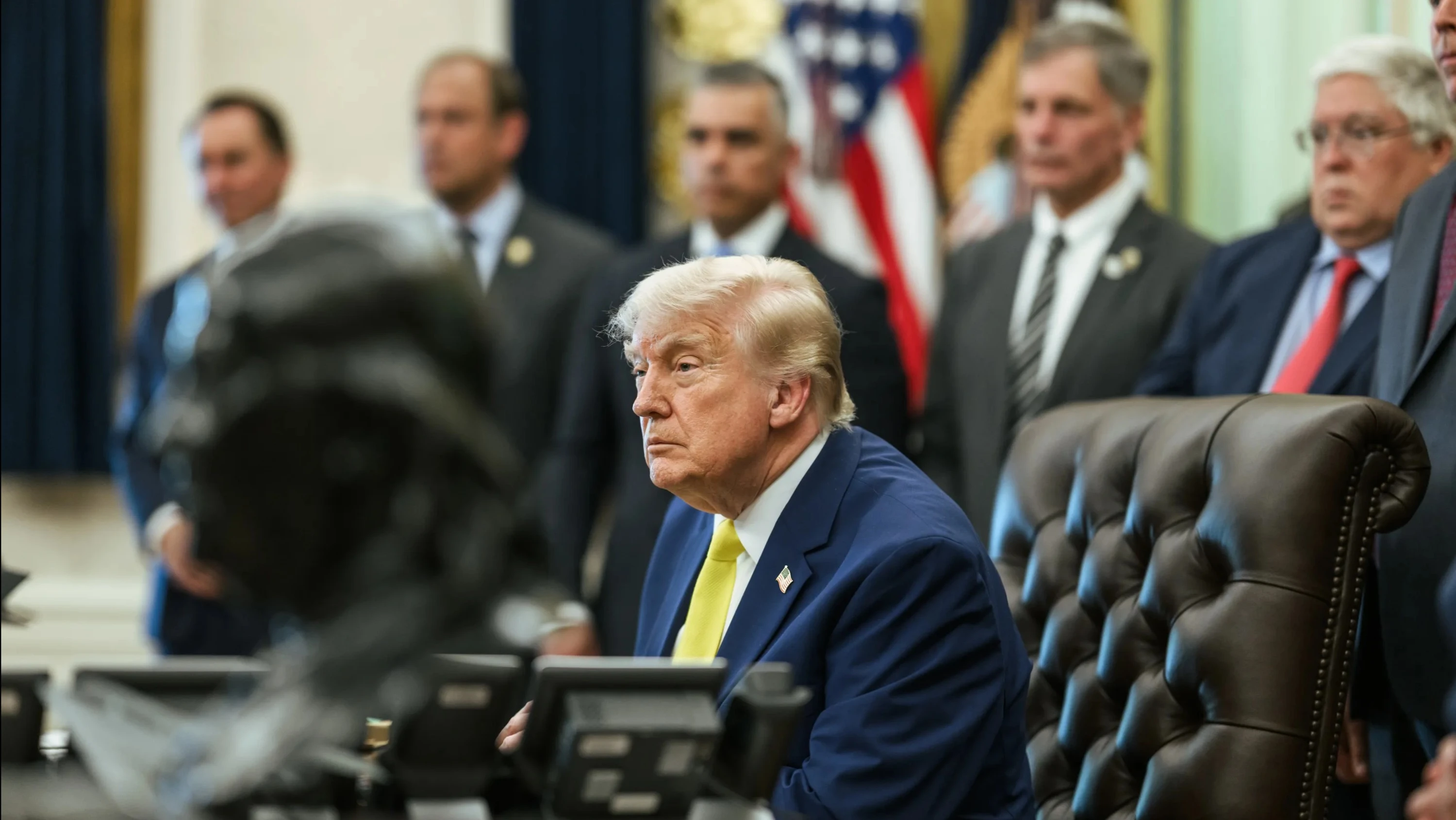
Photo: The White House
US President Donald Trump promised to strike Iran with a new "very strong" blow, and also said that he likes the current inflation in the US, which in annualized terms in May reached a three-year high. Such statements the head of America made during an interaction with journalists in the Oval Office of the White House.
What Trump said
- about Iran: "We hit them [Iran] hard yesterday and we're going to hit them hard again today," the US president said, CNBC reported. Iran, Trump added, "should sign an agreement" for peace. "We'll see what happens with that deal," he stated. The escalating fighting in the Middle East, Trump noted, comes amid ongoing efforts to reach a lasting peace agreement. "We were very close to an agreement, but they [Iranian representatives] continue to deceive us, continue to take advantage of us," The Wall Street Journal quoted Trump as saying. "Iran only talks but does nothing," Trump wrote on his Truth Social media account on June 10. "They procrastinated for too long to make a deal that would have been beneficial to them, now they will have to pay for it," he noted.
- about inflation: "I like inflation," Trump announced in response to a question about whether he was concerned about the new Consumer Price Index (CPI) data, which showed a 4.2% year-over-year increase in U.S. inflation; similar figures broke through three-year highs. "No, I like it very much, the numbers were great," Trump commented on the macroeconomic data.
What's in the markets
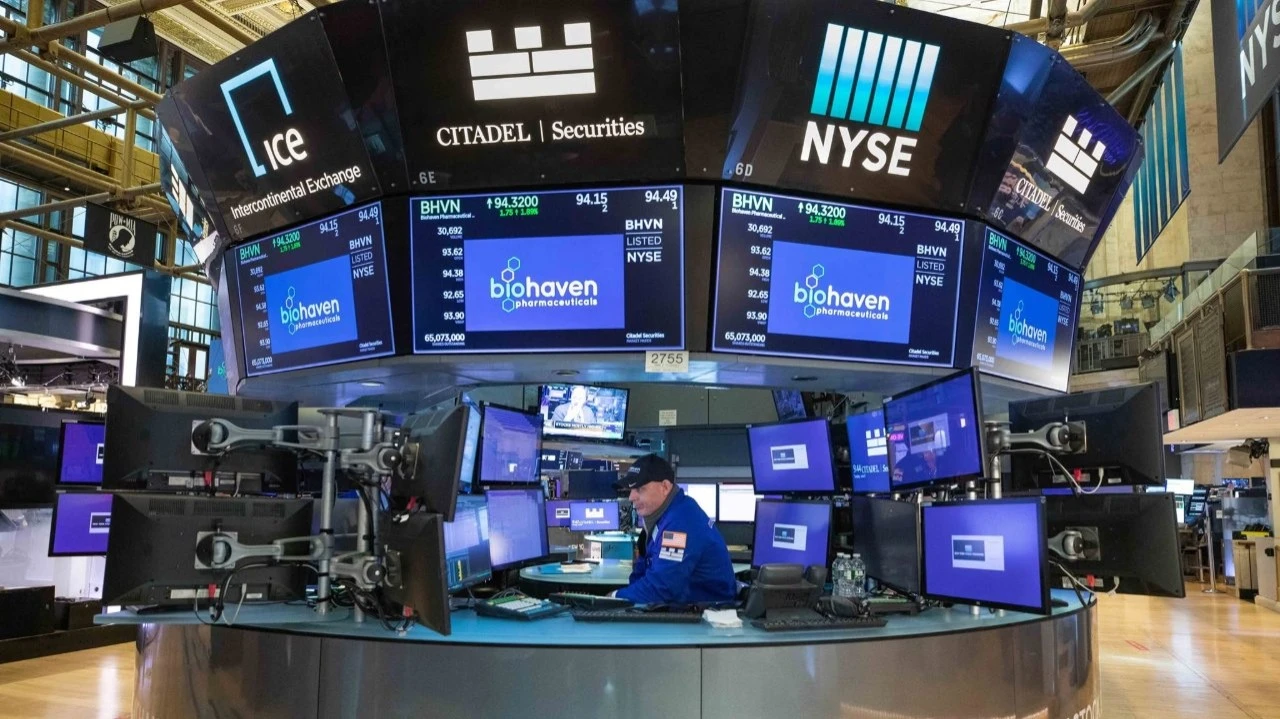
Against this background, oil prices accelerated their growth: August futures for Brent rose by 2.66%, almost to $94 per barrel. WTI is growing by more than 3% - costs about $91. On the U.S. stock market, the sell-off intensified: the broad index of American shares S&P 500 loses 0.94%, technological Nasdaq Composite - 1.3%, the index of "blue chips" Dow Jones - 1.12%.
Context
On June 9, Trump accused Iran of shooting down a U.S. helicopter over the Strait of Hormuz, after which the U.S. and Iran exchanged large-scale mutual strikes in the Middle East - the first such strikes since the cease-fire went into effect in mid-April.
Amid the escalating conflict, ship traffic in the Strait of Hormuz has slowed, Bloomberg found out.
The material is supplemented
This article was AI-translated and verified by a human editor