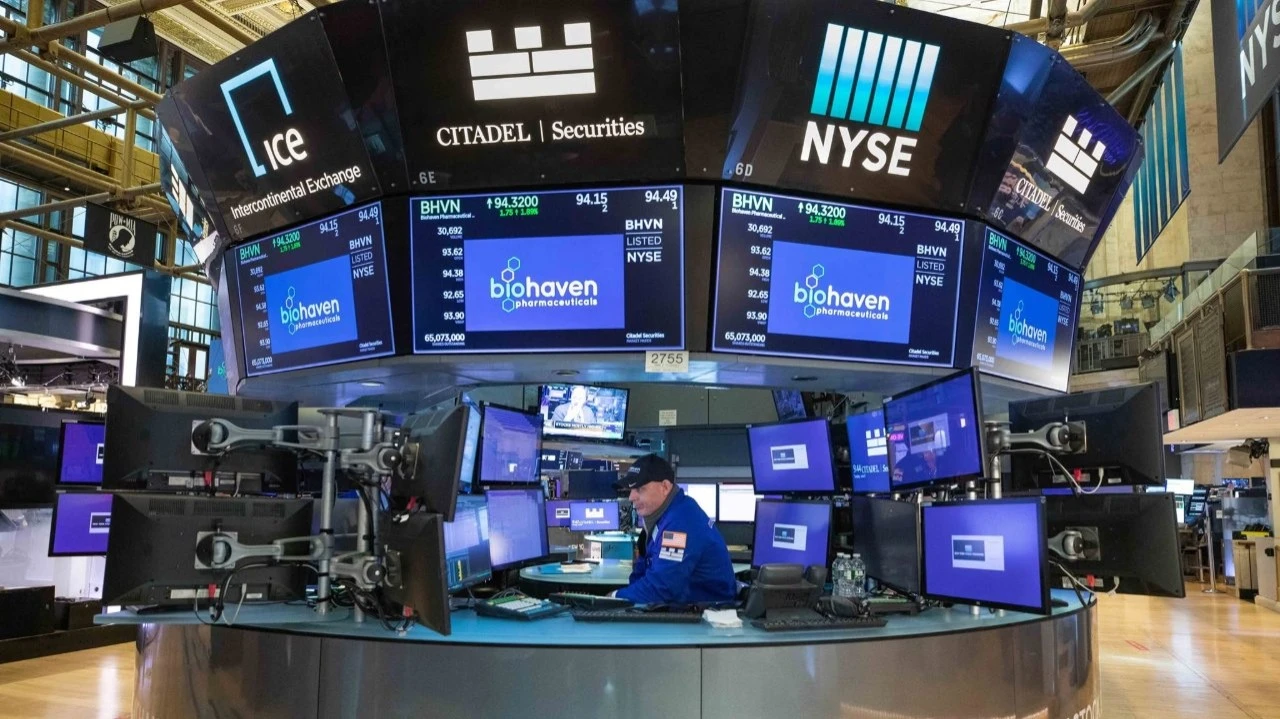
US stocks fall, "fear index" rises. Does the sell-off continue?



Photo: X / NYSE
The main U.S. stock indices opened with a decline on June 10 - on the eve of the S&P 500 and Nasdaq Composite closed in the negative on the background of the sale of shares of technology companies. On Wednesday, the collapse continued. In addition, investors are evaluating macroeconomic data, according to which inflation in the U.S. in May in annualized terms reached a three-year high.
Details
Against this background, the broad index of American stocks S&P 500 in the first minutes of trading fell by 0.51%, technology Nadaq Composite - fell by 0.7%, the index of "blue chips" Dow Jones lost 0.61%. The Philadelphia Semiconductor Index has lost almost 10% over the past five days; in the first minutes of trading on June 10, it fell by more than 1%, but a few minutes later it turned around and went into a small plus.
CNBC notes that the markets are also pressured by the statements of US President Donald Trump: amid mutual firings between the US and Iran in the Middle East, Trump wrote in Truth Social that Tehran will "pay" for procrastinating "too long" in reaching a peace agreement. Against this background, oil quotations rose. In particular, August futures for Brent are growing by 1%, up to $ 92.4 per barrel. Contracts for U.S. oil WTI with delivery next month add more than 1% - traded at $89.45.
The Wall Street Fear Index (VIX), amid the market sell-off, also continued its previous day's rise, adding 5.54% to 20.97, a level that indicates increased market volatility. At the maximum on June 10 VIX jumped up to 22.53.
What the market is saying
Wall Street is not displeased with the Consumer Price Index rising to a 4.2% year-over-year increase in May largely because the data matched expectations, MarketWatch writes.
"However, with inflation still far from the Federal Reserve's 2% target, the idea that the path for inflation rates to return to the regulator's target is 'immediate' is increasingly fanciful," said Regan Capital Chief Investment Officer Skyler Winand.
"If you talk about the essence of what we've seen over the last few weeks, the market growth has been concentrated specifically in the memory chip and semiconductor sector. That's been the main driver, and the asset has grown so much that it now looks overheated," CNBC quoted Empower Investments chief investment strategist Martha Norton as saying.
"Does it [the fall in chipmakers' securities] mean some fundamental deterioration in the situation? I'm not sure," she added. - But there are definitely signs of inflated expectations, which is why we are facing a kind of correction".
This article was AI-translated and verified by a human editor