"The clock is ticking": oil hits Ma record after Trump ultimatum and nuclear power plant attack
UAE authorities called a drone strike on a nuclear power plant on the Gulf Coast a terrorist attack

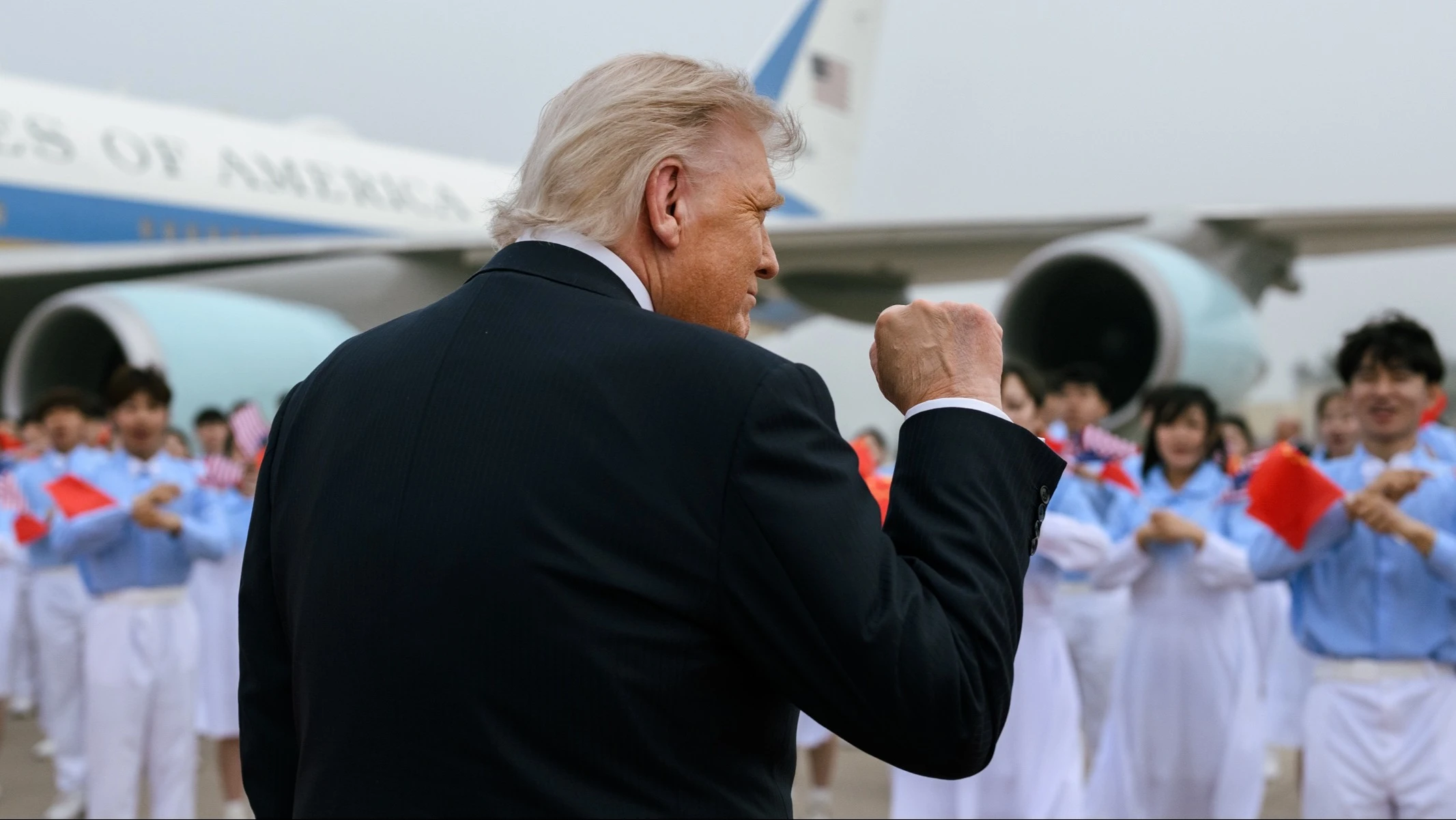
US President Donald Trump's trip to China last week did not improve the situation around Iran / Photo: X/White House
Prices of benchmark oil grades rose sharply in the morning of May 18: July futures for Brent rose by 2.5% to $112 per barrel, and June contracts for WTI added 3.1% to $108.7, hitting the maximum since the beginning of this month. Another jump in quotes was triggered by US President Donald Trump's harsh warning to Iran and a drone attack on a nuclear power plant in the United Arab Emirates.
Hopes for a peace agreement began to fade last week, during which both benchmark Marks rose more than 7%, Reuters notes. And now the talks between Washington and Tehran have finally stalled. On Sunday, May 18, Trump posted an ultimatum on his social media network Truth Social: "For Iran, the Clock is Ticking and they better start moving, FAST, or there will be nothing left of them at all!". The American leader also added: "TIME IS OF THE ESSENCE!". According to Axios, he plans to discuss possible military action against Iran with his national security advisers on Tuesday.
Oil prices were given additional impetus by news of a drone attack on the Barakah nuclear power plant in the United Arab Emirates. UAE authorities called what happened a "terrorist attack" and said they reserved the right to respond. Saudi Arabia intercepted three drones and warned it would take any necessary measures to protect its borders, Reuters reported. IG market analyst Tony Sycamore sees these incidents as an unmistakable signal: new military operations by the U.S. or Israel will trigger retaliatory strikes by Iran and its proxy groups against critical infrastructure in neighboring states.
Diplomatic efforts have not yet borne fruit: after Trump's talks with Chinese President Xi Jinping, the world's largest oil importer has not made it clear that it is ready to help resolve the Middle East crisis, writes Reuters. Iran still keeps the Strait of Hormuz closed (before the war, a fifth of the world's oil supplies passed through it), and the U.S. blocks Iranian ports.
The International Energy Agency (IEA) has warned that the blocked spill is causing oil storage volumes to shrink at a record pace, and their rapid depletion could lead to new price shocks. Swiss bank UBS forecasts that if monthly fuel demand remains unchanged, inventories will fall to a historic low of 7.6 billion barrels by the end of Ma, CNBC reported. The situation is aggravated by the fact that last weekend Washington did not extend sanctions relief that allowed India to buy Russian oil delivered by sea.
The longer the conflict over Iran lasts, the greater the risk of long-term damage from high-priced energy, summarizes Prestige Economics analyst Jason Shenker. In his estimation, this will force central banks to keep interest rates high for longer, which will permanently hamper global economic growth.
This article was AI-translated and verified by a human editor