U.S. senators have agreed on “severe sanctions” against Russia. What happens next?

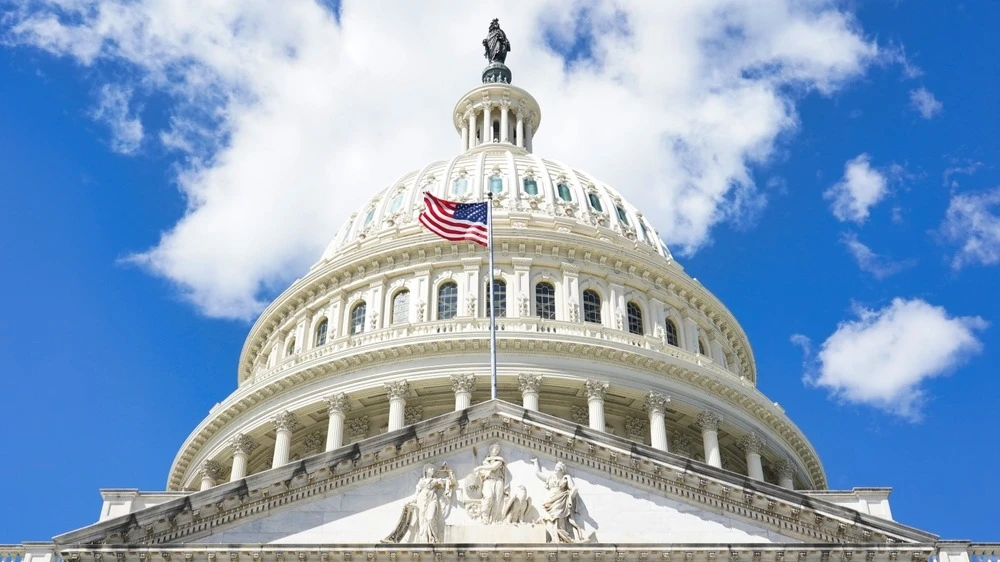
The U.S. Is Preparing New Sanctions Against Russia / Photo: Adam McCullough / Shutterstock
A bipartisan group of U.S. senators has agreed on a bill that would grant President Donald Trump the authority to impose sweeping trade restrictions on the largest buyers of Russian oil and gas, according to Bloomberg.
A procedural vote on the bill is scheduled for the evening of July 28. If approved by the Senate, the bill must then be voted on by the House of Representatives. However, the House has already recessed for the August break, so the law is unlikely to take effect before September 2026, the agency notes.
What sanctions are included in the bill?
According to the text of the document published on July 28, the U.S. president will be granted the authority to impose tariffs of 500% on imports of Russian goods into the U.S. and additional duties of 100% on the five largest buyers of Russian oil and gas, as well as on countries that help Russia circumvent sanctions. At the last minute this week, a provision was added to the document limiting the duration of these powers to five years, Bloomberg reports. In addition, the bill includes exceptions that grant the president the authority to refrain from imposing sanctions.
Trump had previously supported this initiative, which was championed by the late Senator Lindsey Graham. The senator himself referred to it as the “sanctions bill from hell.”
At the same time, the initiative also extends the 1996 Iran Sanctions Act through 2031. This law imposes secondary economic sanctions on non-U.S. companies doing business with Iran and was set to expire this year.
Context
The passage of the bill could complicate U.S. trade relations with China and India—the largest buyers of Russian energy resources, according to Bloomberg. Some Democrats oppose the bill, warning that Trump could use it as a legal basis for imposing new, large-scale tariffs, the agency reports. Senator Ron Wyden and Representative Richard Neal stated on July 14 that “the latest version of the Russia Sanctions Act is a recipe for chaos and higher tariffs.”
Some analysts have also expressed skepticism. “While global energy markets continue to face serious strain, further supply restrictions could impose disproportionate costs on countries that are already bearing the economic consequences of the current energy crisis,” said Brett Erickson, managing partner at Obsidian Risk Advisors.
He also noted that including provisions on Iran in the bill on sanctions against Russia is unlikely to significantly increase pressure on Tehran.
This article was AI-translated and verified by a human editor