One collapse after another, those who profit from wars and disasters, and the reshaping of the crypto market in the EU
Top News and Analysis for the First Week of July

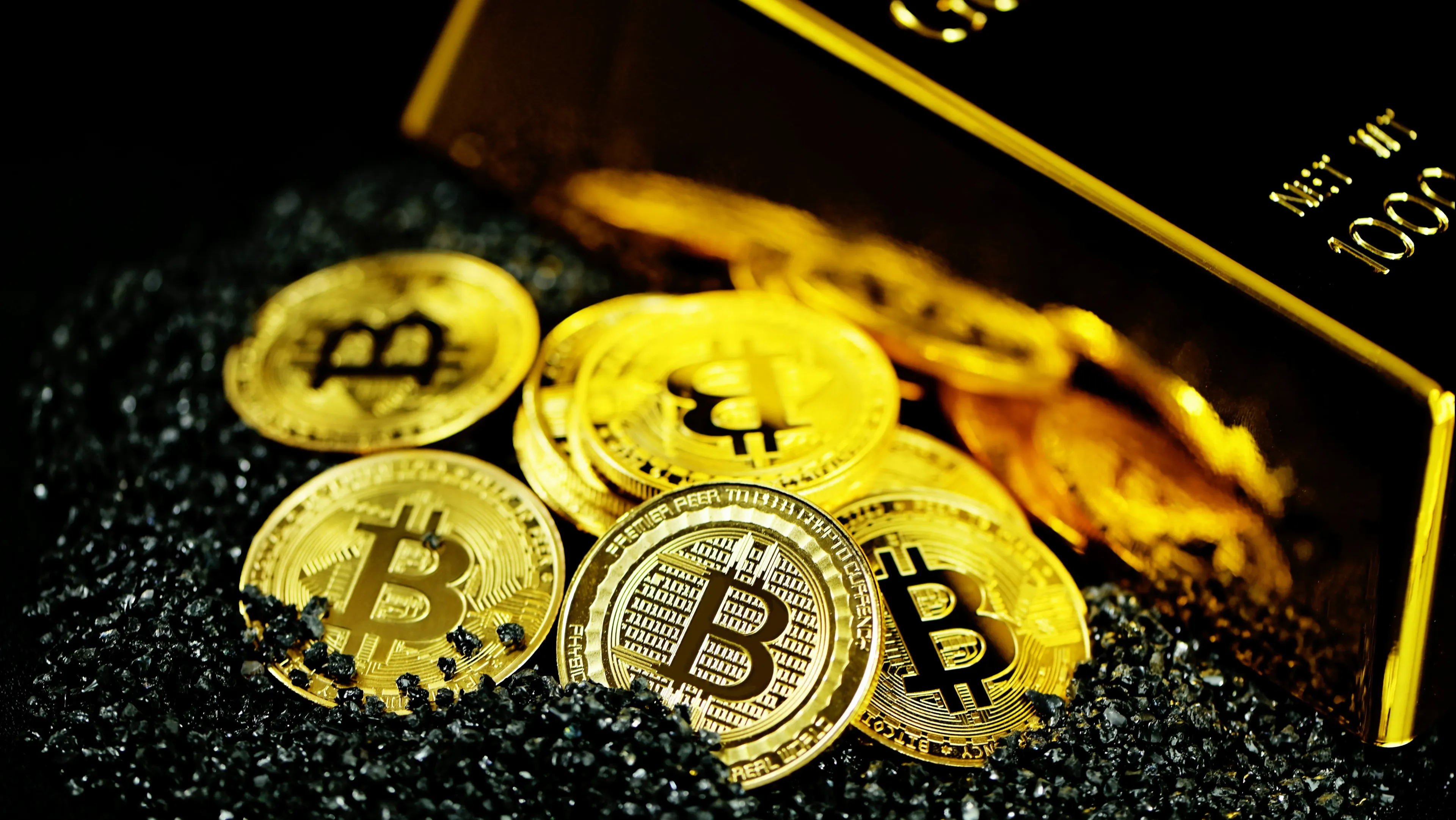
Gold prices fell by more than 11% in June, and for Bitcoin, last month was the worst since the 2022 crypto winter. Photo: Kanchanara / Unsplash.com
This week, we saw historic crashes in the currency, stock, and cryptocurrency markets. The Japanese yen fell to a 40-year low. Gold had its worst quarter in 13 years, while Bitcoin had its worst month in four years. Shares of Circle, the issuer of the second-largest stablecoin by market capitalization, USDC, plummeted, as did the shares of the two most valuable South Korean companies, Samsung and SK Hynix.
The U.S. and Iran failed to make significant progress toward resolving the conflict during the talks in Doha, and the fuel crisis triggered by the conflict continues to spread across the globe. However, the rise in prices for oil and petroleum products has created its own beneficiaries—electric vehicle manufacturers. Mikhail Overchenko, a guest columnist for Oninvest, discussed how record sales of electric cars in Europe and China will affect manufacturers’ pricing policies and production volumes.
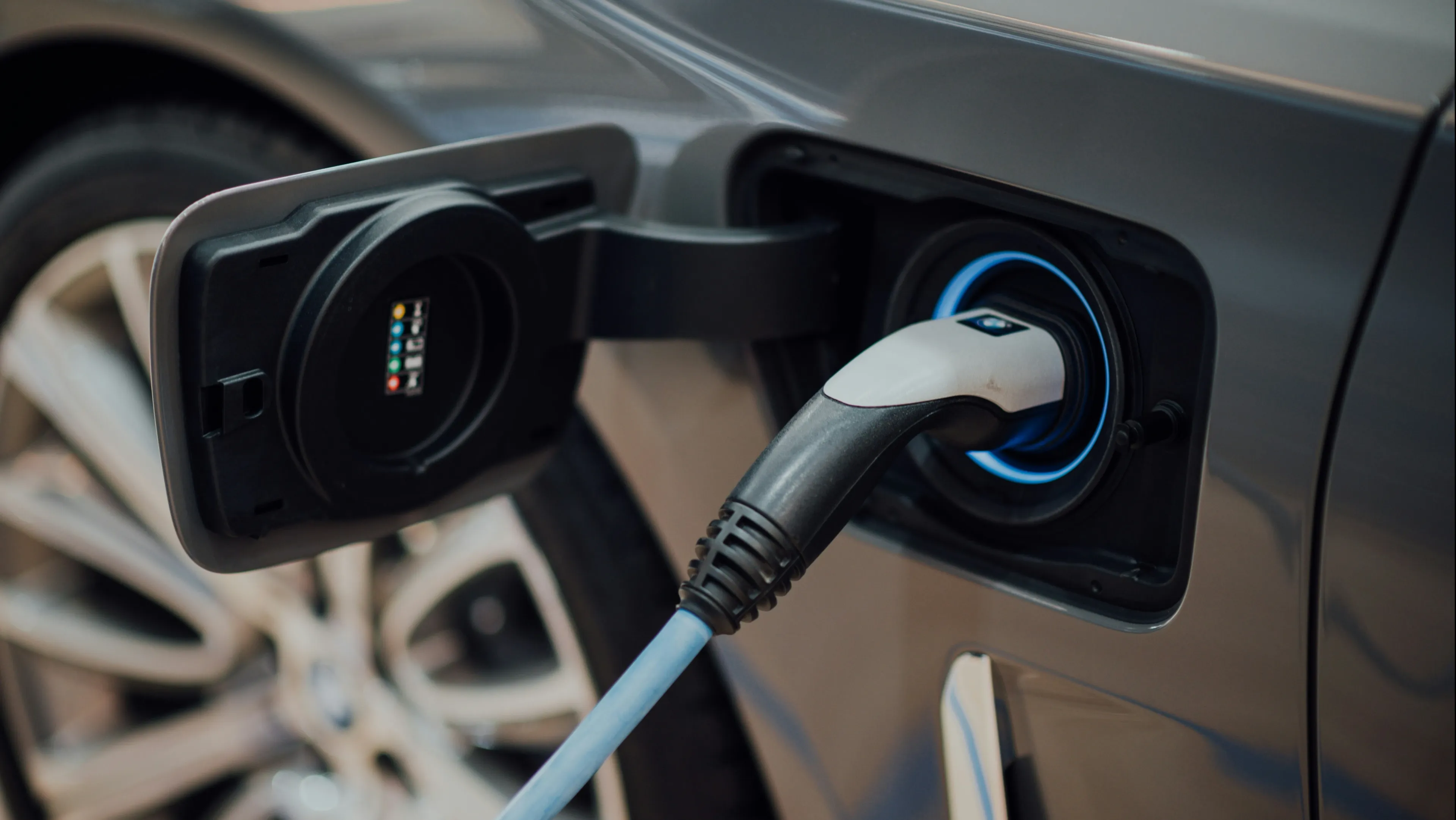
Natural disasters, such as the heatwave in Europe and the strongest El Niño climate phenomenon in the last 140 years, may also have their own beneficiaries, as Oninvest correspondent Venera Sayfutdinova discovered. These include certain oil companies and industrial giants, but no further details are provided. You’ll find out their names in the article.
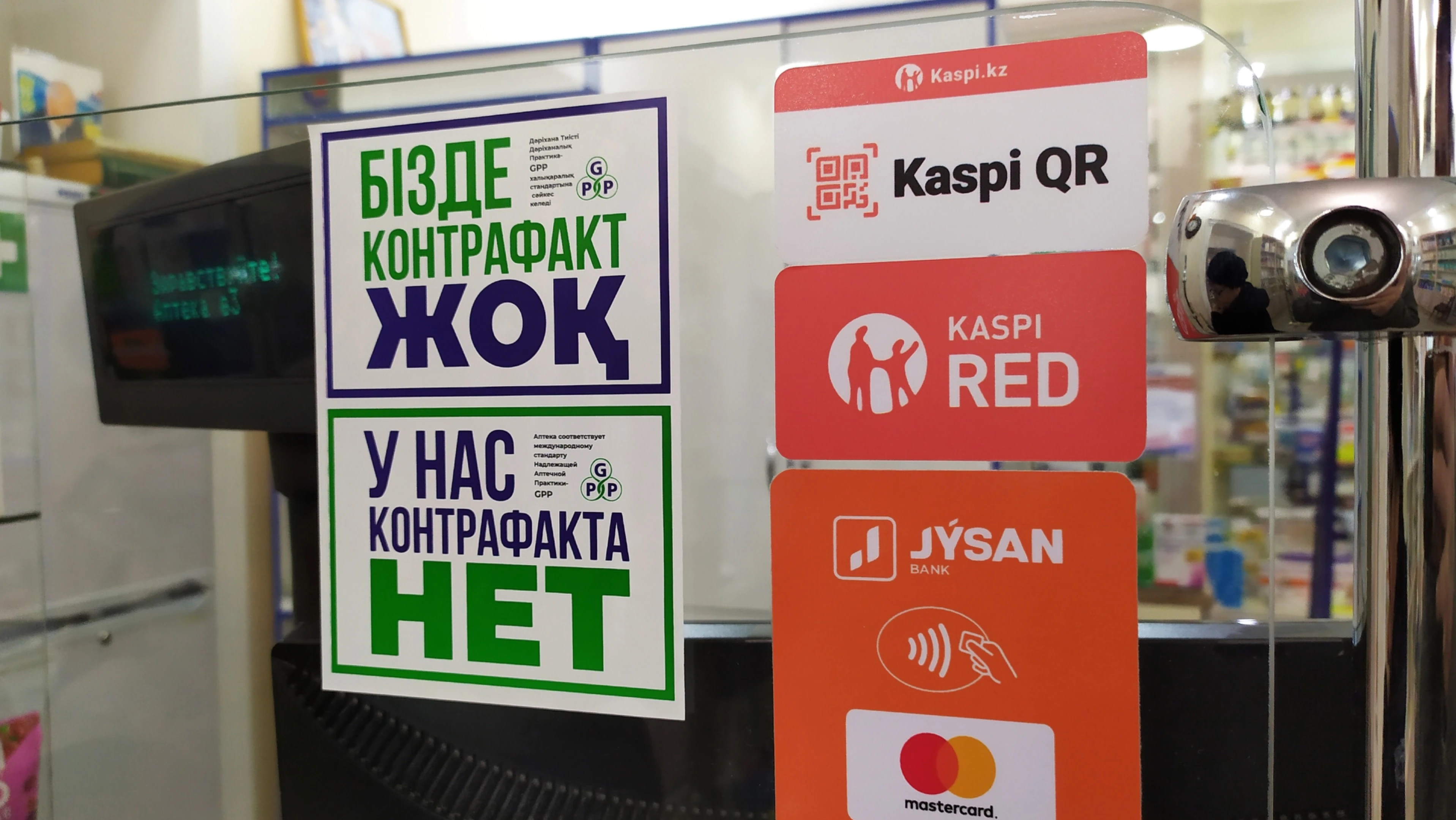
The unified QR code, which will go live in Kazakhstan in July, will have only one beneficiary—shoppers, who will be able to pay for their purchases using any banking app. Oninvest correspondent Daniil Zhelobanov investigated why Kazakhstani banks resisted this initiative for several years and how it will affect Kaspi, which processed 83% of QR code payments in the country.
Another phase of a large-scale crypto reform came to a close in Europe this week. Lawmakers sought to protect investors’ interests as much as possible, but as a result, EU residents lost access to Binance and the vast majority of dollar-pegged stablecoins. I looked into how this reform has reshaped the European crypto market and what lies ahead.
What else have we written about?
Oninvest correspondent Mikhail Tegin has been following the digital euro project for several months now; it is set to launch in test mode as early as 2027. This week, he investigated what could make the digital euro “dirty” and how the launch of the European digital currency will affect Russians.
I found three cases in which regulators and courts ruled in favor of customers in their disputes with banks over overcompliance. Lawyers told me how you can use this experience if you find your funds frozen or your account blocked at a European bank.
Until now, you've only been reading our posts, but now you can see and hear us, too. We've started posting Reels about the week's most important events and interesting articles. See you on our Instagram!
This article was AI-translated and verified by a human editor