U.S. stocks surged on expectations of a peace deal between the U.S. and Iran. SpaceX rose another 8%

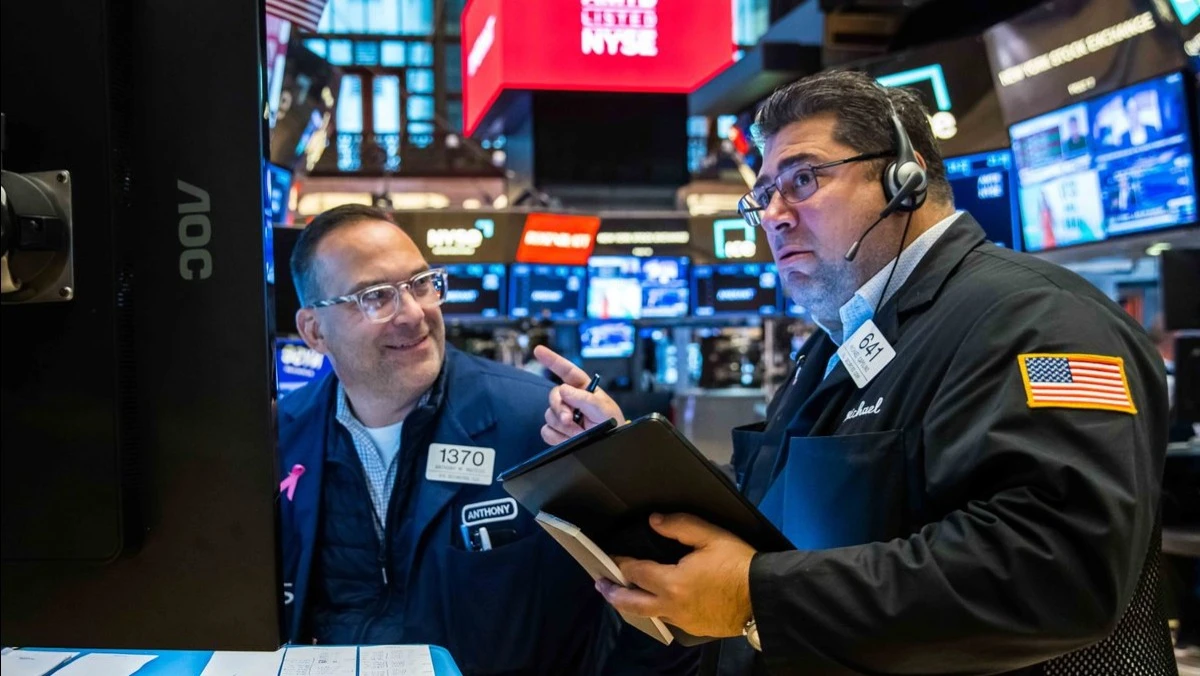
Photo: X / NYSE
Oil prices plummeted, while major U.S. stock indices surged during trading on June 15 — markets are banking on the preliminary peace agreement between the U.S. and Iran easing global inflationary pressures and reducing the need for interest rate hikes, Reuters reports. SpaceX shares rose 7.96% in the opening minutes of the second day of trading. On Friday—the first trading day following the IPO—shares of Elon Musk’s aerospace corporation surged by more than 19%; SpaceX entered the top 6 most valuable U.S. companies with a market capitalization of over $2 trillion.
Details
Against this backdrop, the broad U.S. stock index, the S&P 500, gained 1.4% in the first few minutes of trading, the tech-heavy Nasdaq Composite rose 2.27%, the Dow Jones blue-chip index rose by more than 1%, and the Russell 2000 small- and mid-cap index rose by 0.79%.
Oil prices hit an intraday low, falling more than 5% from the previous close: August Brent contracts dropped to $82.52 per barrel; at the time of publication, they were down 4.8% and trading at $83; WTI futures for next month’s delivery are down 5.34% to $80.35 (on June 15, they hit a low of $79.70 per barrel).
The VIX volatility index, also known as the “Wall Street fear index,” has fallen by more than 7% to 16.36 points. Any reading above 20 indicates heightened market volatility; the VIX last rose above 20 on June 11.
Spot gold is up 3.53% to $4,368 per ounce. Silver is up 4.48% to $71.
Context
Early in the morning on June 15, Pakistani Prime Minister Shehbaz Sharif was the first to announce on social media that the United States and Iran had reached a framework peace agreement. This information was later confirmed by U.S. President Donald Trump and Iranian officials. According to Trump, the deal includes opening the Strait of Hormuz to shipping—a vital sea route through which, prior to the war in the Middle East, one-fifth of the world’s oil supplies and a significant volume of LNG passed. Iranian state media reported that the Strait of Hormuz will be open for unimpeded transit for 60 days following the conclusion of the agreement. The signing is scheduled for Friday, July 19, and will take place in Switzerland.
U.S. Vice President Joe Vance, commenting on the terms of the agreement in an interview with CNBC, noted that he expects the Strait of Hormuz to remain open in the long term without Iran imposing transit fees. Over the past 24 hours, ship traffic through this waterway has already increased, Vance added.
What people are saying in the market
Saxo Bank strategist John Hardy said the peace deal is providing “the maximum possible support” to the markets—especially amid the excitement sparked by SpaceX’s recent record-breaking $75 billion IPO, Reuters reports. “What else needs to happen for market sentiment to become even more euphoric?” he asked.
“We expect Brent futures to fall to $80 by the end of the year, provided that the [Strait of Hormuz] is not closed again,” said Vivek Dhar, an analyst covering the mining and energy sectors at CBA. “Our forecast assumes that exports of oil and petroleum products through the Strait of Hormuz can be quickly resumed, however, this view is subject to significant uncertainty due to the damage inflicted on oil and refining infrastructure [during the war],” he added (quoted by Reuters).
This article was AI-translated and verified by a human editor