"US sells the dream, Asia builds the machines": Saxo names the best markets for AI investors

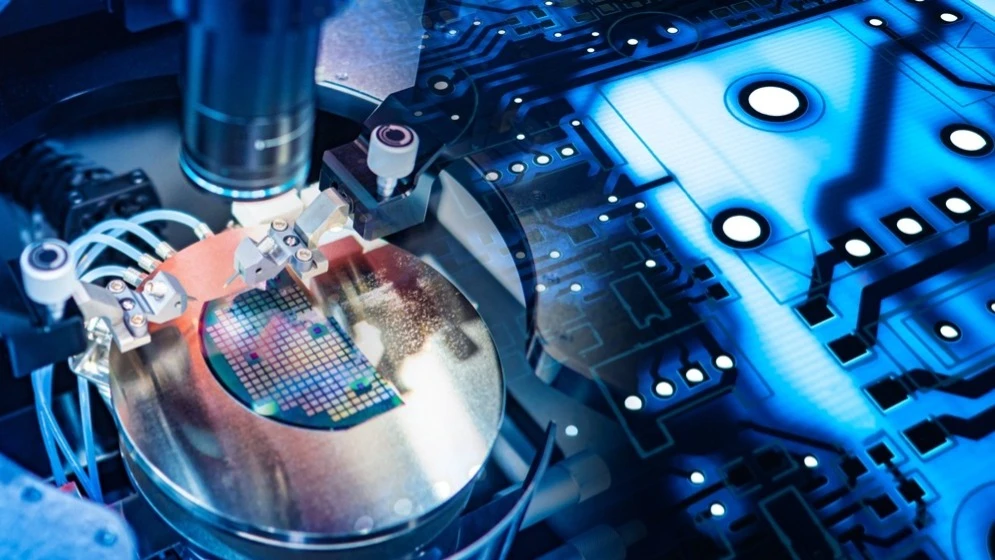
Companies in Asia related to artificial intelligence may be a cheaper and more promising option for investors to capitalize on the AI boom than U.S. companies, according to Saxo Bank. Asia is the "AI backbone" because most chips and memory modules are manufactured there, and that's where the capital investment flows from market leaders: "Factories continue to operate regardless of which U.S. platform wins the software race," Saxo said.
Details
Investors are gradually shifting their focus from "who will create the smartest AI" to "who is supplying the tools," and in this situation, Asian companies could prove to be a favorable bet, Saxo senior investment strategist Charu Chanana wrote. Her note is published on the bank's website.
The valuation of companies in the U.S. AI sector is very high right now, but the physical construction of infrastructure for artificial intelligence - chips, servers and data centers - continues at full speed, and Asia is a big part of that process, Chanana noted. Asian companies form the "backbone of AI": Taiwan's TSMC accounts for about 70% of chip production, South Korea's SK Hynix and Samsung hold 90% of the high-bandwidth memory (HBM) market, and Japan's Lasertec, Advantest and Ibiden play a critical role in chip quality control, testing and supply of chip materials, Saxo wrote.
"If the US sells the AI dream, Asia builds the machines [...] Asian players are transforming from suppliers to strategic control points in the global AI value chain," Chanana said.
In addition, semiconductor makers in Asia have more opportunities to scale than U.S. companies, Saxo said. Xi already has the energy, land and skilled labor to do so, while the U.S. lacks the capacity. "Asia's expansion, despite its challenges, remains more cost-effective and quicker to implement," the bank's strategist argues.
Asian technology markets don't look particularly expensive: they are still trading at a discount to comparable U.S. securities, Saxo noted. At the same time, they have orders scheduled for several quarters in advance, which provides better predictability of profits. Much of the capital spending on AI infrastructure ends up in Asia. Investors are also benefiting from the support of authorities, particularly in Japan and South Korea, the bank added.
What are the risks
Saxo highlighted four major threats that investors in Asian companies in the AI market need to consider.
- Concentration. Key capacity comes from only a few major players: TSMC, SK Hynix, Samsung and Lasertec.
- Geopolitics. Changes in export rules or tensions between Taiwan and China could disrupt shipments.
- Cyclical risks. If the capital expenditure flow slows down, companies' margins will quickly return to normal.
- Overcrowding. Major Asian AI players are already present in many investors' portfolios.
What analysts recommend
- Shares of TSMC in Taiwan have risen 37% since the beginning of 2025. Analysts are almost unanimously advising to buy the company's securities: they assigned 39 Buy and 10 Overweight ratings versus only two Hold recommendations, MarketWatch shows.
- SK Hynix shares have added 255% at once this year on the Seoul exchange. Analysts also treat them extremely favorably: according to FactSet, there are 34 Buy ratings and three Overweight ratings, with only one Hold and one Sell (advice to "sell").
- Bonds of Samsung Electronics have grown by 94% since the beginning of the year. 34 analysts out of 40 recommend buying them, FactSet shows. Five more advise "hold", one - "sell".
- Lasertec 's capitalization has risen 93% since the beginning of January. The most popular analyst recommendation is "hold": nine Hold ratings versus four Buy and two Sell, according to FactSet data.
- Advantest has added 116% to its stock price this year. The stock has 13 buy recommendations, five "hold" recommendations and two "sell" recommendations.
- Ibiden shares have jumped 187% since the beginning of this year. Analysts confidently advise "buy": only five out of 17 recommend "hold".
This article was AI-translated and verified by a human editor