US stocks jumped after Maduro's ouster. Who will be the main beneficiary?
The Dow Jones soared 1.5% at once, and if the rally continues until closing, the index will set its first record in 2026.

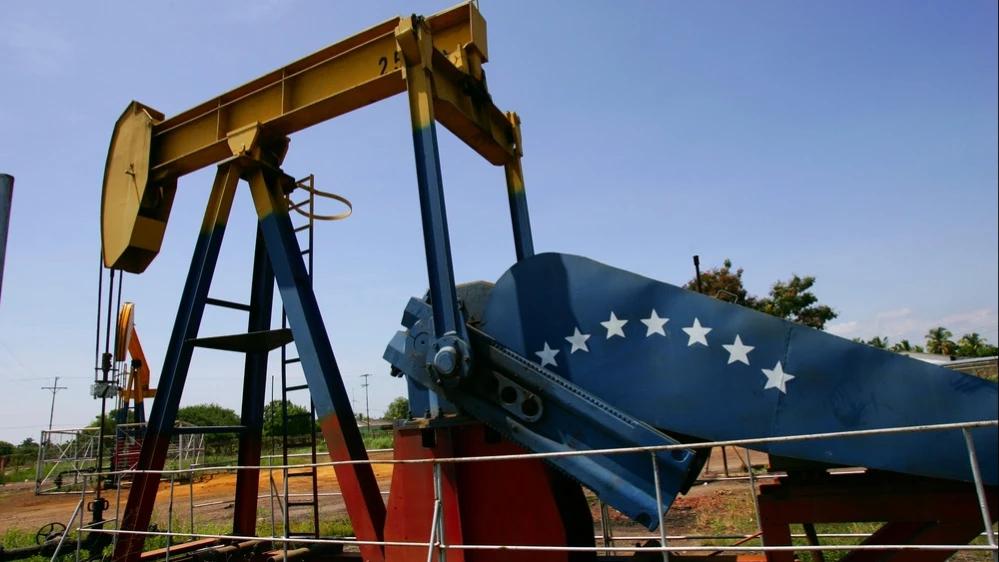
US stocks rose on Monday, January 5, after the US attack on Venezuela and the capture of the country's leader Nicolas Maduro. Investors bet that the events would not lead to larger geopolitical conflicts capable of destabilizing the markets. At the same time, oil company quotes supported expectations that American energy giants would benefit from the restoration of production in Venezuela.
Details
The Dow Jones Industrial Average blue chip index, which includes Chevron—one of the few foreign companies operating in Venezuela—jumped more than 800 points, or 1.7%. It was on track to reach its first high in 2026, MarketWatch notes. The broad market index S&P 500 and the technology index Nasdaq Composite added about 0.7%.
Energy stocks led the gains as investors bet that the sector will benefit from the restoration of Venezuela's oil infrastructure, CNBC reports.
— Chevron shares rose 6.3%, the strongest increase since April, according to Bloomberg . The company is considered the most obvious beneficiary of the situation due to its presence in Venezuela.
— Exxon Mobil shares rose 2.4%.
— Shares in oil and gas service companies that could be involved in rebuilding Venezuela's energy sector, such as Halliburton and SLB, jumped by about 10%.
— The market capitalization of Valero Energy, one of the largest independent oil refiners in the US, increased by 9.7%. This company is in the best position among its competitors in the event of an increase in Venezuelan supplies , thanks to its presence on the Gulf Coast and its ability to process large volumes of heavy, high-sulfur crude oils, such as Venezuelan crude, according to UBS analysts .
— The State Street Energy Select Sector ETF (XLE) gained more than 2%.
— Futures for North American WTI crude oil rose 1.7%. Brent futures contracts gained about 1.6%.
Shares in defense giants General Dynamics and Lockheed Martin received moderate support and rose by 3% and 2% respectively: Trump's latest actions have shown that rapid military strikes will be a key element of his policy in response to emerging geopolitical challenges, explains CNBC.
Despite optimism in the stock market, traders also increased their positions in precious metals: gold prices rose by almost 3%, and silver prices rose by 7.8%. Bitcoin rose by 3.6% to $94,700.
What is happening
According to Bloomberg, US Energy Secretary Chris Wright plans to hold talks with the country's oil company executives this week on reviving Venezuela's energy sector. According to Reuters sources, representatives of the White House and the State Department have warned top managers in recent weeks that the oil business will have to return to the country as soon as possible and invest significant capital in restoring production. Only then will American giants be able to receive compensation for assets expropriated by Venezuela about 20 years ago, the agency reports. Oil company executives surveyed by Reuters said the Trump administration did not consult with Exxon Mobil, ConocoPhillips, or Chevron about Venezuela either before or after the military operation in the country.
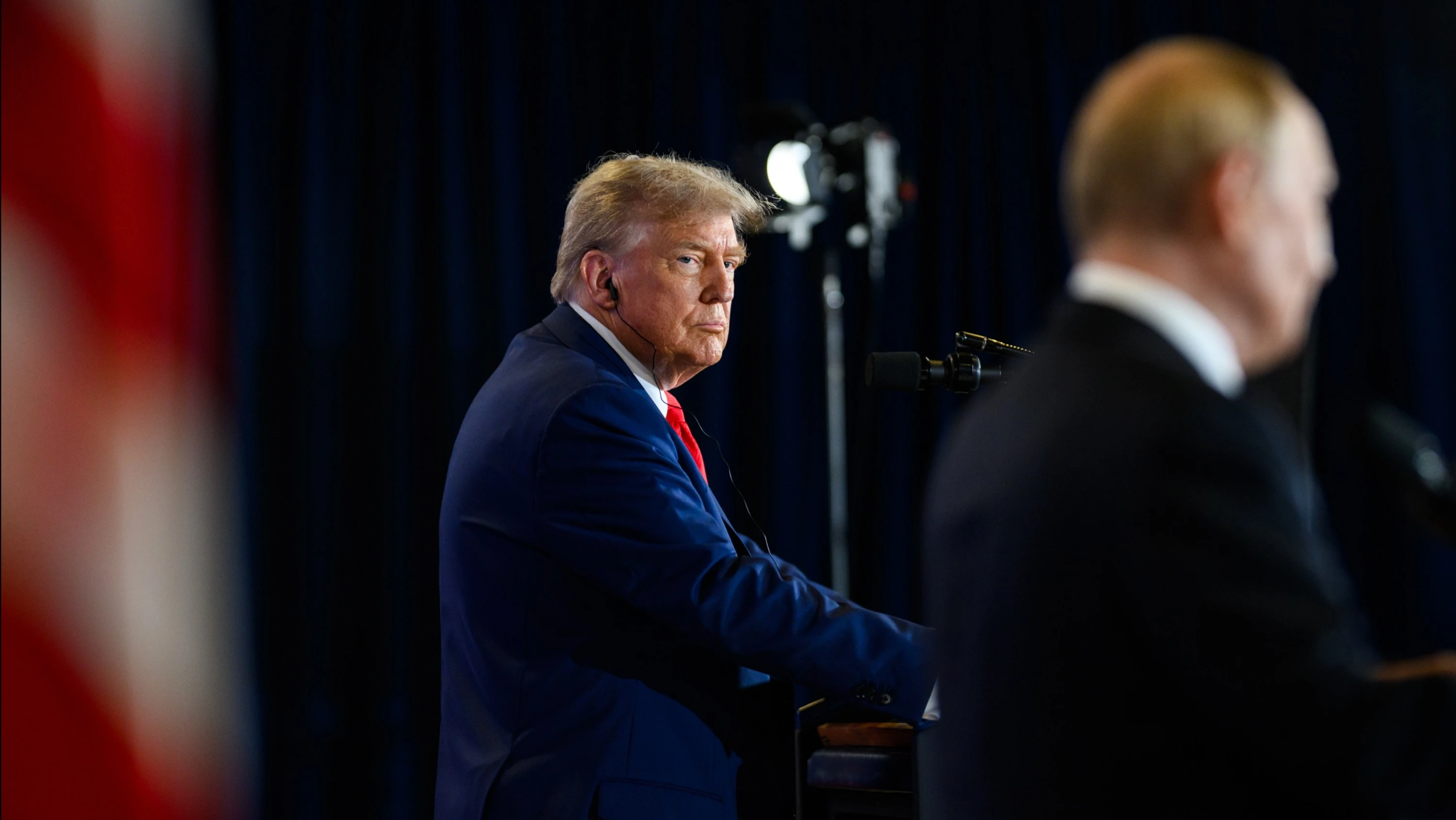
At a press conference following the capture of Nicolás Maduro and his wife, Cilia Flores, US President Donald Trump stated that Washington would "administer" Venezuela "until a safe, orderly, and orderly transition [of power] is possible."
The US military captured Maduro and his wife in Caracas on January 3 and took them to New York. On Monday, they both appeared in court: they were charged with conspiracy to commit narco-terrorism and other crimes. Maduro called himself a prisoner of war and did not admit his guilt.
What analysts say
"This is a significant geopolitical event, although it is unlikely to be a major factor for markets in the near term," wrote Evercore ISI analyst Matthew Axe, as quoted by CNBC . "For now, investors will have to navigate the familiar environment of deliberate uncertainty surrounding Trump's next moves." According to Ax, Trump is generally not interested in a full-scale ground regime change similar to the wars in Iraq and Afghanistan, which he has long criticized. "However, his latest statements leave open the possibility that this will not be a one-off action, like last year's strike on Iran's nuclear infrastructure," the analyst added.
"In the short term, this [investment in Venezuela] may push oil prices higher as questions arise around supply and logistics," Sam Stovall, chief investment strategist at CFRA Research, told CNBC. "In the longer term, it could help the industry, as Venezuela accounts for only about 1% of global oil supply, and their situation has only worsened over the years." He described the overall market situation as favorable for risk: investors are once again actively investing after optimizing tax losses and rebalancing portfolios at the end of 2025.
"We believe that the short-term effect of the US "takeover" of Venezuela will be positive for oil refining margins and will most strongly affect Chevron, Valero Energy, and PBF Energy. But in the longer term, it will be potentially negative for oil prices," according to a note from Mizuho, quoted by CNBC.
Analysts at JPMorgan Chase noted that the situation in Venezuela is not escalating, and details about future oil operations remain scarce. According to them, the consensus strategy in the market is to sell any short-term rallies in oil prices and selectively buy shares of refiners focused on heavy oil.
This article was AI-translated and verified by a human editor