Xiaomi's profits fell more than expected. Did investors short its stock before the report for a reason?
The Chinese vendor's sales declined for the first time in nearly three years

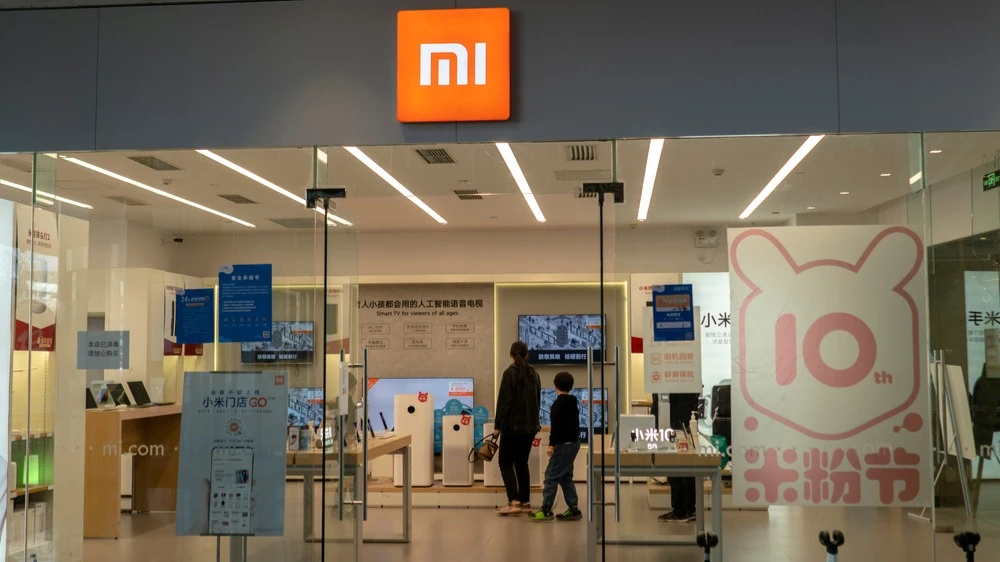
Sales of Xiaomi consumer electronics in the domestic market fell amid the weakening effect of the state trade-in program / Photo: YoungPictures/Shutterstock.com
The year started badly for Chinese electronics manufacturer Xiaomi: profits fell more than forecasts, and problems affected all key areas - from smartphones to electric cars. The artificial intelligence boom has exacerbated shortages of memory chips, making components more expensive and squeezing smartphone margins. The car business has faced a general cooling of the domestic market, and demand growth for home appliances has slowed, The Wall Street Journal reported.
As reported by Xiaomi
Xiaomi's net profit in the first quarter of 2026 collapsed 57% to 4.7 billion yuan ($695 million) - double the drop in the previous quarter and worse than the consensus estimate. Revenue fell 11% to 99 billion yuan. The company's sales fell for the first time in nearly three years, but matched market expectations, Bloomberg reports.
Sales of the smartphone business fell 12.5% to 44.3 billion yuan in January-March. Xiaomi attributed this to a decline in shipments, which was only partially offset by an increase in average price. Gross margin fell to 10.1% due to higher component costs and increased competition in China.
The segment of IoT devices and home products was the worst performer, with sales falling 24% to 24.7 billion yuan. The effect of government support in the domestic market weakened, while overseas revenue increased.
The automotive division performed best, with its sales up 5.1% to 19 billion yuan. However, although Xiaomi delivered more electric cars, their average prices decreased, WSJ points out.
What about the stock
Before the publication of the report for the first quarter, traders expected a fall in Xiaomi shares: they brought bets in options on the decline in quotations to a record level, Bloomberg reported. Xiaomi shares have halved in price since the peak reached in July 2025, and over this period became one of the worst among the securities of technology companies traded in Hong Kong, the agency notes.
According to FactSet, the majority of analysts - 31 out of 41 - recommend buying Xiaomi shares (Buy and Overweight ratings). Eight experts treat the securities neutrally (Hold) and only two advise to sell them (Sell). Over the last three months, the positive attitude has increased: the number of recommendations to buy has increased, while the number of neutral ratings has decreased.
Context
According to Bloomberg, Xiaomi has been hit harder than other major smartphone makers by the global shortage of memory chips. Samsung Electronics and SK Hynix prioritized memory for data centers and AI. Because of this, mass-produced chips for consumer devices became scarce and sharply increased in price.
This article was AI-translated and verified by a human editor