Adidas shares plummeted at a record pace. What does the World Cup have to do with this?
The German brand's marketing victory over Nike did not come easily

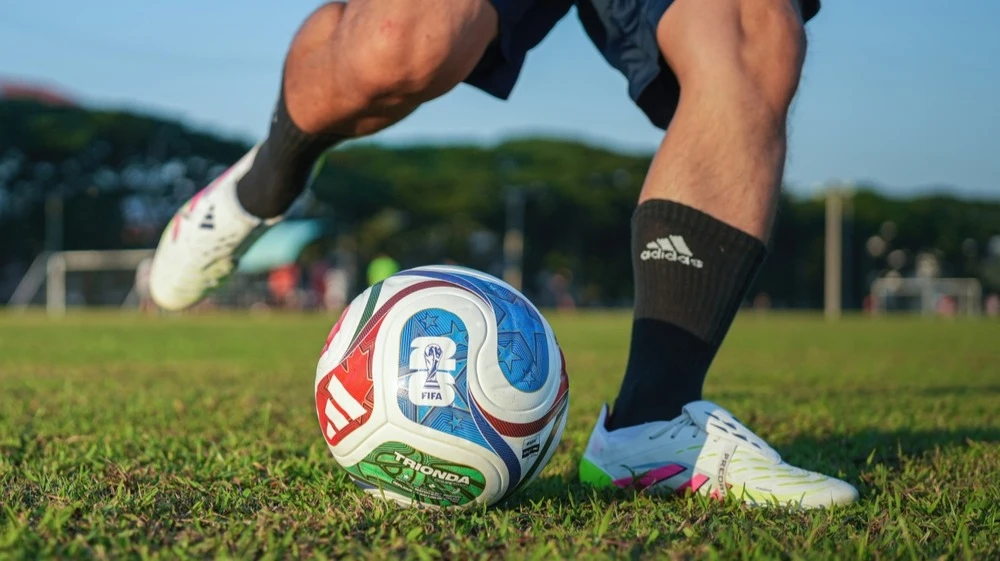
Adidas shares plummeted by a record 18% to a new low / Photo: Nattawit Khomsanit / Shutterstock
Adidas shares fell at their fastest pace since the company went public following the release of its financial results. Its massive marketing spending during the World Cup led to lower-than-expected quarterly profits, according to Bloomberg.
Details
Adidas shares fell by nearly 19% at their lowest point during trading on July 30 in Frankfurt, marking their steepest single-day decline and bringing their price down by nearly 12% year-to-date. Adidas ultimately closed the session down nearly 13% for the day. This followed the release of the company’s second-quarter report, in which it reported quarterly operating profit of €574 million—a 5% increase compared to the same period last year. However, analysts had expected €623 million, according to The Wall Street Journal.
Net income from continuing operations in the second quarter rose 6% compared with the previous year to €398 million, falling short of analysts' expectations of €430 million, according to the Financial Times.
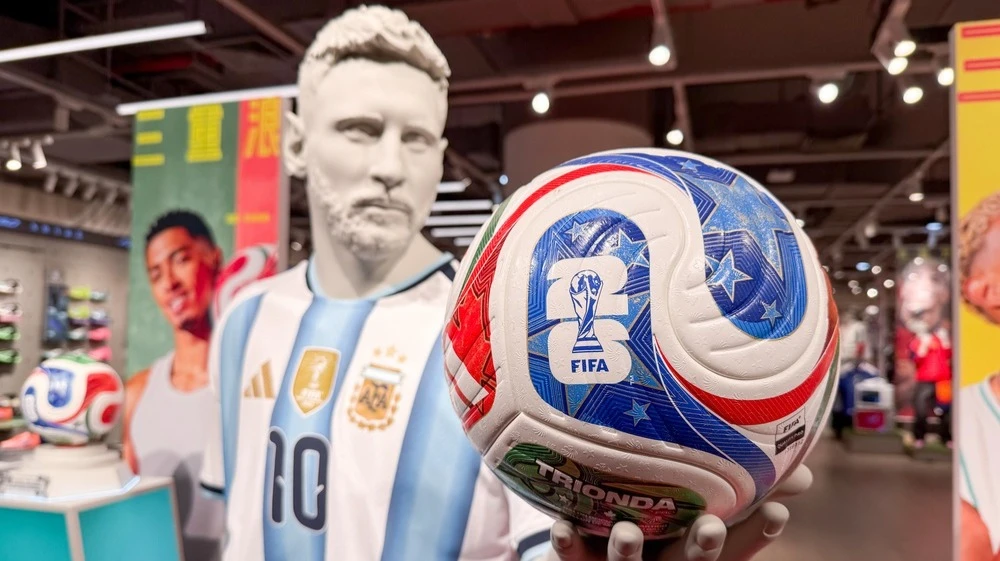
Bloomberg notes that additional expenses of €212 million were incurred for marketing related to the World Cup and had a negative impact on the company’s results. The company reported that marketing expenses increased by 30% year-over-year. Adidas CEO Björn Gulden bet big on the World Cup by releasing T-shirts and related merchandise several months ahead of competitors Nike and Puma, the agency reports. The brand also launched an ad campaign featuring actor Timothée Chalamet, Argentina national team captain Lionel Messi, and rapper Bad Bunny. The company also opened a specialty soccer store at the American Dream shopping center in New Jersey—right next to the stadium where the World Cup final took place, the agency reports. According to Gulden, Adidas will now return to its usual level of marketing spending.
As Adidas CFO Harm Olmayer noted, the marketing campaign was designed not only to “win the World Cup commercially,” but also to boost the brand’s future recognition—especially in North and South America.
Despite the high cost, this strategy appears to have been extremely effective for sales of World Cup-related merchandise, according to Bloomberg. Adidas sold four times as many T-shirts and twice as many soccer balls as it did at the previous tournament four years earlier. Revenue from World Cup-related sales exceeded expectations, totaling approximately €1.5 billion, which allowed the company to raise its annual sales forecast. Adidas’ total revenue for the second quarter rose 14% year-over-year, excluding currency fluctuations, to a record €6.7 billion. Apparel sales saw particularly strong growth—up 35%—while footwear sales increased by 1% and lifestyle products by 2%.
The company expects revenue in 2026, excluding currency fluctuations, to grow by 9–10%, whereas it had previously forecast growth of 7–9% (high-single-digit growth).
In the second quarter, the company posted double-digit growth rates in all regions except Europe, where revenue increased by 6%. Strong demand for Adidas products was also seen in Latin America and China, where its competitor Nike is facing a decline in sales. Nike previously reported its lowest quarterly revenue in more than four years, according to the Financial Times.
What Analysts Are Saying
The focus is on the sports goods manufacturer’s significant increase in operating expenses, which clearly exceeded forecasts, noted Jefferies analyst James Grzinich following the release of the report on Thursday. As a result, the strong growth momentum in the second quarter took a back seat. Grzinich maintained his “buy” rating on Adidas shares with a price target of €205. This target implies a 29% increase in the stock price relative to the closing price on July 30.
“Investing in events that maximize brand visibility makes sense and should sustain demand and momentum for the brand after the tournament ends. Continued growth in the apparel, soccer, and running categories—along with the expansion of direct-to-consumer sales and disciplined wholesale distribution—is a positive factor,” noted Bloomberg Intelligence analysts Poonam Goyal and Sidney Goodman.
Revenue was solid but not unexpectedly strong, while operating profit was disappointing due to higher marketing expenses related to the World Cup, according to JPMorgan analyst Wendy Liu. The bank maintained its “Buy” recommendation (Overweight rating) for Adidas shares, setting a price target of €230. This valuation implies a 45% increase in the stock price relative to the latest closing price.
Of the 30 analysts covering Adidas stock, 24 recommend buying it. Six recommend holding it, and none recommend selling it.
This article was AI-translated and verified by a human editor