After the elections, French markets face a more serious test—the City. What should investors do?
Citi believes that the ability of France's future government to form a parliamentary majority will be a key factor in stabilizing the country's debt and stock markets

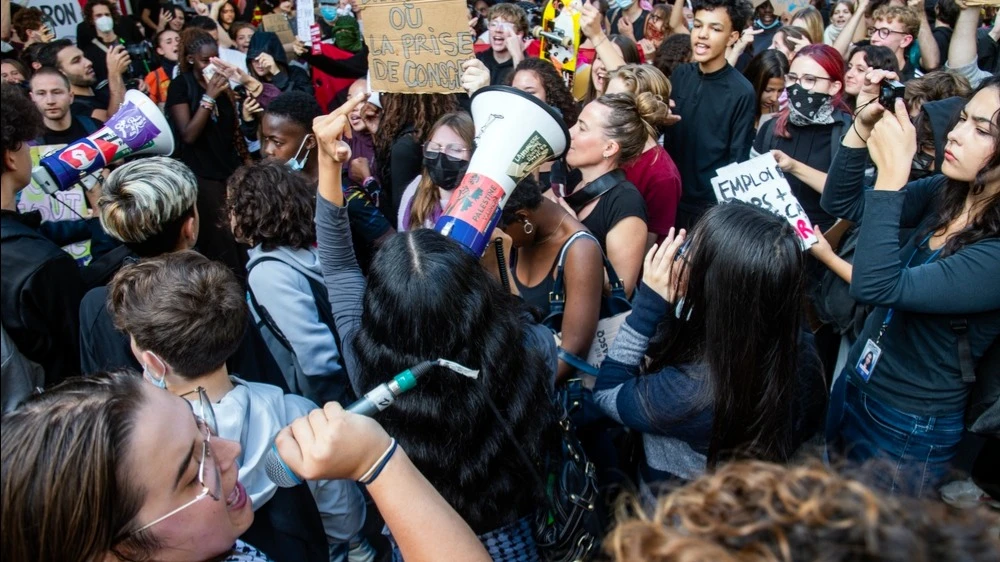
The assessment came after a weekend in which protests once again swept across France, escalating into looting and arson / Photo: Pierre Laborde / Shutterstock
Following the French presidential election in April, the biggest test for the markets will be whether the new government can secure a majority in parliament and propose a convincing plan to reduce public debt, according to Beata Mantei, head of European equity strategy at Citigroup. Therefore, the political risks for France will not end with the presidential election, she said in an interview on Bloomberg TV.
Details
“We believe that French stocks will be more volatile [after the April elections],” said the strategist, adding that, according to Citi’s assessment, the situation “is unlikely to be resolved until the summer.”
At the same time, despite the turbulence, Citi maintains a neutral stance on France and Europe as a whole in a global context, according to Bloomberg. Analysts believe that most of the negative news is already priced in. Mantey noted that investor concerns about France tend to spread to the entire market: shares of French banks move in tandem with spreads on the country’s government bonds, and this also affects pan-European stock indices. If the budget situation spirals even further out of control, a widening of sovereign spreads will directly lead to a deeper sell-off of French bank stocks, the strategist warned. At the same time, she still considers opening short positions in French stocks at current levels to be risky, as prices will “fluctuate up and down.”
Context
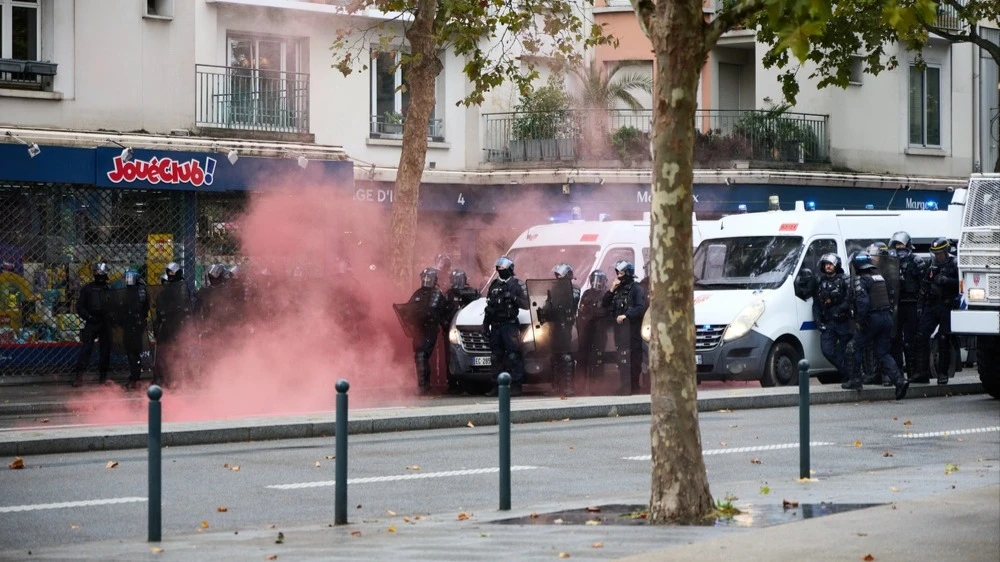
This assessment of the situation in French markets came after the weekend, when protests against the rising cost of living swept across France. According to Mantey, they added another layer of complexity to an already fragile situation. The rallies drew more than half a million people across France and later escalated into looting and arson. On Monday, French government bonds underperformed most of their European counterparts: the spread between the yields on 10-year French and German bonds widened by 8 basis points to 146 basis points. The euro fell by up to 0.5%, the French CAC 40 stock index dropped by 1.5%, while the pan-European Stoxx 600 lost 0.88%.
This article was AI-translated and verified by a human editor