'Can't fly empty': FT told of risk of canceling 'tens of thousands' of flights in winter
Until January, many companies have hedged fuel prices, but beyond that, problems may start to arise

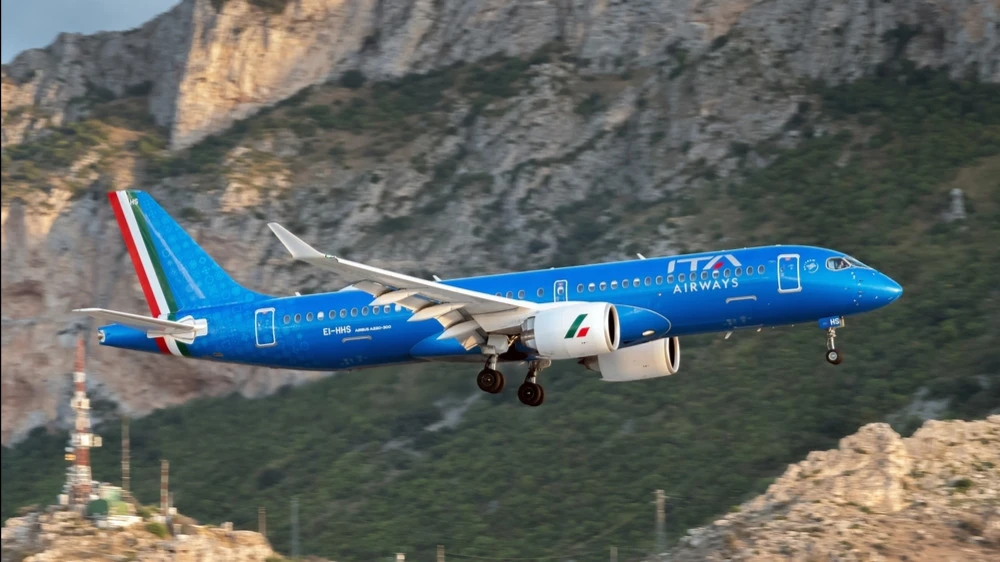
In a worst-case scenario, Italian airline ITA Airways could cut up to a fifth of its flights during the winter season / Photo: Rudzenka / Shutterstock.com
Airlines are preparing for a reduced winter schedule: tens of thousands of flights may be canceled and planes sent to parking lots if fuel prices do not come down, the Financial Times wrote. After the outbreak of war with Iran, jet fuel prices have risen sharply, hitting the airline industry hard, and passengers are feeling the pressure of inflation and rising living costs, which may lead them to cut back on travel.
Details
In a worst-case scenario, Italian airline ITA Airways could cut up to a fifth of its flights in the winter season, which runs from October to April, CEO Jörg Eberhart told the FT. "It depends on how the situation develops," he said. - 'Ma [the industry] may need help from governments, but we don't know that yet. Too many factors remain uncertain."
Many airlines outside the US are partially protected from price increases through hedging programs, the FT notes. However, they face the question of when to enter into new long-term contracts that will oblige carriers to pay fixed prices even if market conditions normalize. "Until the end of the year we are protected, but we are only talking about two months [of the winter schedule]," Eberhart told the newspaper. - The real problems will start in January."
Fuel prices will eventually return to previous levels, All Nippon Airways CEO Juichi Hirasawa suggested in a conversation with the FT. However, he said, if they remain at current levels, the company will have to hold internal discussions about the next steps.
Many decisions now hinge precisely on the cost of jet fuel. One of the world's largest international airlines, Turkish Airlines, expects the price of fuel to drop from around $1400 per ton to less than $1000 by the end of the year, with an average cost of around $1200 per ton at the end of the year. "If the situation starts to improve faster, we won't have to change the winter schedule," Turkish Airlines chairman Murat Şeker told the FT. - But if the increased fuel prices persist after July and last, say, until September, we will begin to reduce the frequency of flights or stop flying to certain destinations and work in some cities altogether." According to him, the company can make a final decision no later than a month before the proposed changes in the schedule.
LATAM Airlines CEO Roberto Alvo warned: "If high fuel prices persist for the rest of the year, the balance sheets of weaker carriers that have so far struggled to absorb the blow will start to come under even more pressure."
What is happening in the air transportation market
The price hike due to the war in the Middle East has come at a time when consumers in many countries are already under pressure from inflation and rising living costs. Analysts have warned that the worsening economic situation, combined with rising prices, could force passengers to fly less frequently in what are already traditionally considered the weakest months for the industry, the FT writes. "One can imagine how difficult the end of the year will be if fuel prices rise again," said McKinsey partner Steve Saxon in a conversation with the publication. In that case, he said, "it's going to be a pretty grim winter."
Industry association IATA this week sharply downgraded its forecast for this year, saying the combined profits of the world's airlines would halve from $43bn to $23bn. The mood was subdued at this year's annual meeting of industry executives, held in Rio de Janeiro, the FT claims. Many carriers will be able to adapt to the new conditions, but most airlines are already operating with "margins as thin as a blade", warned IATA director general Willie Walsh.
"Every seat needs to be filled," an industry consultant told the FT. - You can't fly with empty airplanes.
Airlines are facing a difficult task: it is necessary to reduce the volume of traffic, but excessive cuts in flights may deprive them of the ability to quickly recover from the crisis, explains the FT. According to former Gulf Air executive Geoffrey Goh, who now heads Alton Aviation Consultancy, this choice was largely influenced by the experience of the pandemic, when passenger traffic came to a near standstill. "How do you prepare for such a scenario? Send airplanes into storage in the desert and then waste time getting them back in service? Or continue to fly even at an operating loss just to maintain a presence in the market?" - he said.
The industry has already experienced one major bankruptcy this year, the FT recalls: a few weeks after the start of the US-Iran conflict, US airline Spirit Airlines ceased operations. Industry executives expect more such cases, especially if costs remain high, the FT says.
Is it that bad
Despite rising prices, some airline executives have been pleasantly surprised by the resilience of demand from travelers, writes the FT. "Everything is demand-driven," Peter Carter, president of Delta Air Lines, the largest US airline by capitalization, told the publication. - The economy remains pretty strong, and I don't think enough is being said about that. What is impressive is how resilient the economies of the countries on which our business relies are."
British Airways owner IAG still sees demand in July-September as strong, CEO Luis Gallego told the FT. He said the company is closely monitoring the impact of high fuel and airfare prices on demand, but "does not yet see any signs of weakening".
Traditionally, airlines stimulate bookings with discounts. However, now high fares and relatively stable demand are helping carriers to compensate for rising fuel costs, the FT writes.
"I'm watching this issue very closely," American Airlines chief commercial officer Nat Piper told the FT, referring to the ticket price increase. - I would hate to curtail activity too soon and miss the opportunity to make the most of the favorable revenue situation while it persists."
This article was AI-translated and verified by a human editor