An investor from *The Big Short* urged investors to look for cheap stocks in Hong Kong amid the sell-off
Michael Burry believes that the rally in South Korea is running out of steam, while Hong Kong assets are undervalued

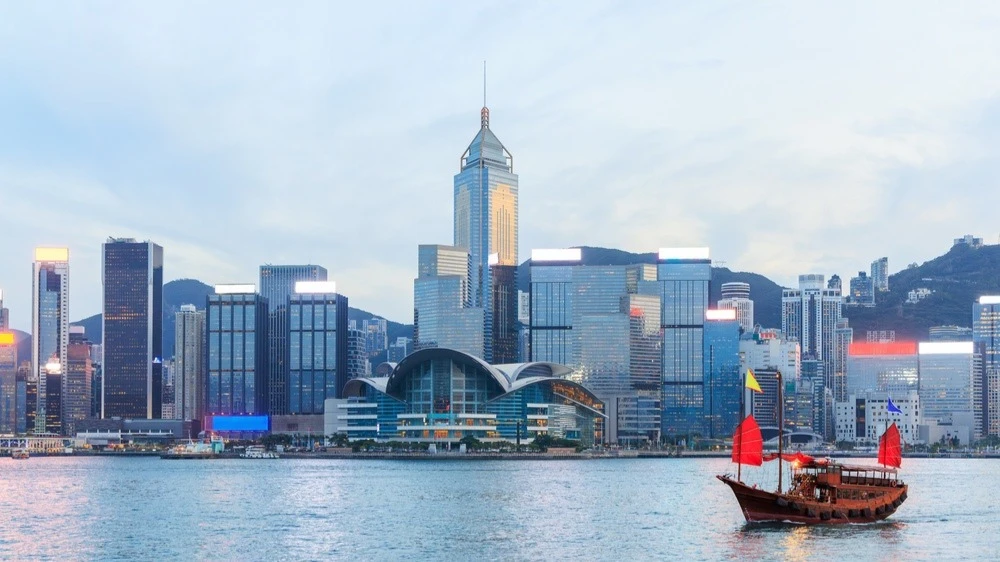
Michael Burry recommends looking for undervalued assets on the Hong Kong stock market / Photo: Evgeny Karandaev/Shutterstock
American financier Michael Burry recommends looking for undervalued assets on the Hong Kong stock market. The investor, whose bet against the U.S. mortgage market formed the basis of the movie *The Big Short*, believes that Hong Kong stocks have been unfairly left behind by their competitors during the AI rally.
Burry’s comment came amid an intensifying global sell-off of chipmakers’ stocks. The decline is driven by growing investor doubts about the wisdom of Big Tech’s billion-dollar spending on AI infrastructure and the ability of AI-related companies to monetize their technologies, according to Bloomberg.
Details
"Now is a particularly good time to look for undervalued stocks in Hong Kong. They should show strong growth once the hype surrounding the South Korean, Japanese, and SOXX markets (the iShares Semiconductor ETF, which focuses on semiconductor companies—ed. note by OnInvest) dies down,” wrote the founder of Scion Asset Management on social media platform X. Earlier this month, Burry reported that he had bought more shares of Chinese internet giant JD.com, which has risen more than 4% in Hong Kong since the start of the year.
Overall, Hong Kong’s Hang Seng Index fell by just over 4% in 2026, while South Korea’s KOSPI, despite recent losses, soared 60% amid the AI boom, and Japan’s Nikkei 225 gained more than 27%. The iShares Semiconductor sector ETF rose 74% over the same period.
Burry attached a post from his blog, *Cassandra Unchained*, on Substuck—published in February—to his X post. In it, the investor explained that he has been investing in Asia since 2003, when the SARS-CoV-1 epidemic sent the Hong Kong index plummeting. In 2005, Scion Capital—the hedge fund founded by Burry—even opened a full-fledged office in Hong Kong, and Burry himself held shares in Tencent in the early stages, when they were worth just 6 Hong Kong dollars each.
As Burry noted in this post, Hong Kong’s largest technology companies have grown significantly in terms of fundamentals compared to 2007, but the Hang Seng Index is roughly at the levels it first reached in 2007.
In analyzing the causes of the Hong Kong market’s stagnation, the investor identified three key pressures that have emerged since 2020: Beijing’s tightening of regulatory oversight over the technology sector, a systemic downturn in the Chinese real estate market, and a period of strict lockdown restrictions during the COVID-19 pandemic. According to the investor, these factors have led to a protracted bear market trend in the stock prices of the region’s largest IT companies, but at the same time have laid the groundwork for their current undervaluation.
“For years, most of Hong Kong’s largest technology and media companies have remained ‘dead capital’—or worse. <...> But these companies deserve to be reevaluated, with an in-depth analysis of their vulnerabilities, strengths, and value,” Burry noted. He did not specify which companies in particular are worth paying attention to.
What Other Analysts Think
Burry is not alone in his assessment: the number of optimistic forecasts for Hong Kong assets is growing in the market, according to Bloomberg. In particular, Morgan Stanley also advised investors in late March to accumulate securities from this region, anticipating strong corporate earnings reports from local companies, the agency notes. According to Investing.com, Morgan Stanley analysts expect the Hang Seng Index to rise to 25,800 points by the end of the year—a target that implies a 5% increase.
This article was AI-translated and verified by a human editor