Asian markets fell sharply in the wake of Wall Street. The reason lies in the IT sector and the surge in oil prices.
The escalation of the conflict in the Persian Gulf and the sell-off in the technology sector have reignited fears of an inflationary shock and tighter regulatory policies

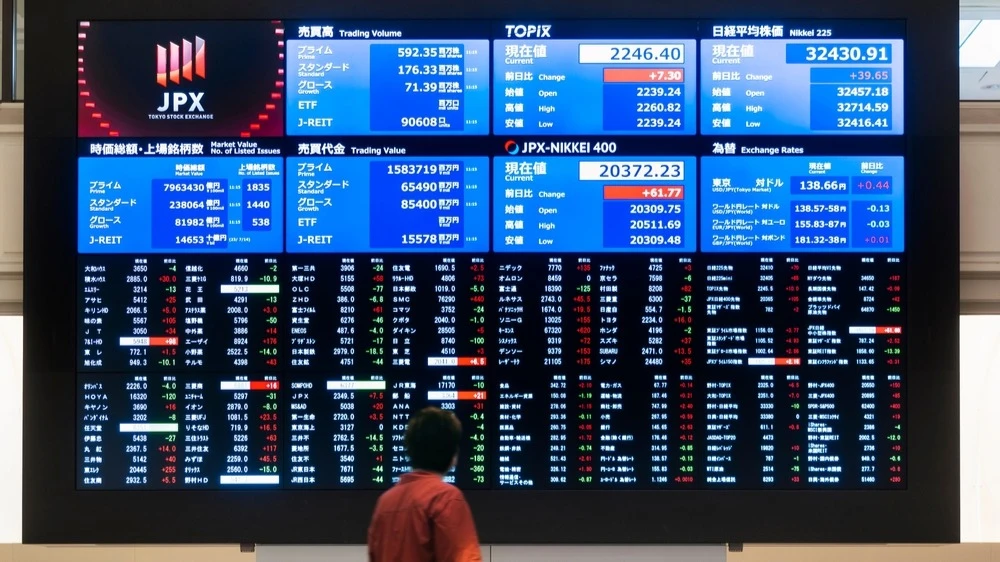
Asian stocks fell during trading on July 24 / Photo: VTT Studio/Shutterstock
Asian stocks fell during trading on July 24, following the lead of U.S. stocks. Markets were hit by a spike in oil prices above $101 per barrel due to the escalating conflict in the Persian Gulf and persistent concerns about the technology sector. Amid growing tensions in the Middle East, investors are rushing to reduce risk ahead of the weekend, Reuters reports. This has hit bond markets and triggered a new wave of concerns about an inflation shock.
Asian Markets
In Asia, the MSCI Asia-Pacific Index (excluding Japan) fell 1.6%. In Japan, the Topix fell 1%, while the Nikkei 225 dropped 2.7%. Hong Kong’s Hang Seng Index fell 1.4%, and the mainland’s CSI 300 fell 1.5%.
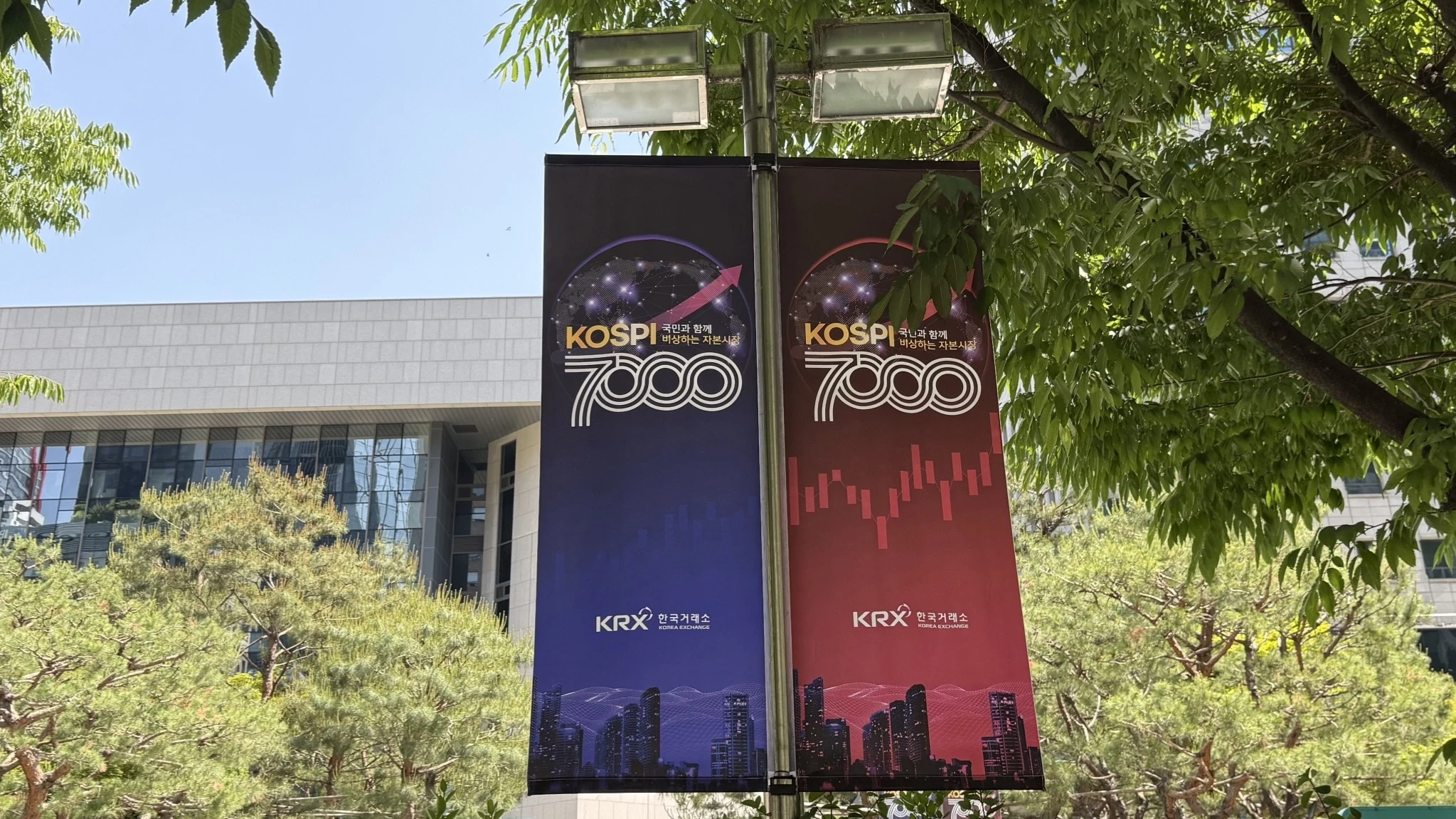
South Korea became the epicenter of the sell-off. The Kospi index fell 5.7%, with the decline reaching as much as 6.3% at its peak. Investors and funds are actively reducing their positions in the technology sector, according to Bloomberg. Shares of tech giants Samsung Electronics and SK Hynix plummeted by about 8%. The sharp drop in futures even led to a brief suspension of program trading on the Korea Exchange—for a market with a $4.1 trillion market capitalization, such pauses have become the norm, the agency notes.
Global Markets
Nasdaq 100 futures were down 0.4% on the morning of July 24, S&P 500 futures were down 0.1%, and Dow Jones Industrial Average futures were up less than 0.1%. Wall Street turned negative on July 23 after Alphabet and Tesla, the first two companies from the “Magnificent Seven” to report this earnings season, spooked investors by revealing that they had spent massive amounts of cash on AI infrastructure in the last quarter.

Precious metals also took a hit: gold fell 0.3% to around $4,036 per troy ounce. Silver held steady at $57.7 per ounce.
Brent crude oil fell 1% on the morning of July 24 to $99.7 per barrel after rising above $101 the previous day. This was caused by attacks by Iran-backed Yemeni Houthis on Saudi tankers in the Red Sea, which blocked the second key oil supply route in the Middle East — in addition to Iran’s de facto blockade of the Strait of Hormuz, Reuters reports.

News that the U.S. administration will impose higher tariffs on goods from 60 partner countries also did nothing to improve the inflation picture, the agency notes. In the bond market, the yield on benchmark 10-year U.S. Treasury bonds held steady at 4.7% on Friday after peaking at 4.714%. The yield on 30-year bonds remained stable at 5.173%.
Higher Treasury yields helped strengthen the U.S. dollar: the dollar index held steady at 101.46 after rising 0.3% to its highest level this month. At the same time, the yen remained stuck near 40-year lows at 163.89 per dollar, prompting a warning from the U.S. Treasury Department that excessive currency volatility was undesirable.
What People Are Saying in the Market
Two weeks after the de facto collapse of the temporary ceasefire between the U.S. and Iran, which was intended to end the war, the U.S. military carried out airstrikes on Tehran on the morning of July 24, while Iran fired on neighboring countries hosting U.S. military bases, according to Reuters. As the conflict shows no signs of abating, Brent crude has surged by nearly 40% this month alone.
“The world’s two largest shipping corridors (the Strait of Hormuz and the Strait of Bab el-Mandeb) were threatened within the span of a single month, and the markets are only beginning to grasp the scale of the consequences, ” said Nigel Green, CEO of the financial consulting firm deVere Group. “Following the breakdown of the truce and oil prices returning above the $100 mark, the price drop that had given the Fed room to ease [monetary] policy may already be reversing... “This looks less like a short-term spike and more like a full-fledged return of inflation to the agenda” (quoted by Reuters).
"The decline appears to be more pronounced as local funds are reducing their excess positions in the technology sector and minimizing risk ahead of the weekend, while tensions in the Middle East persist," said Sean Oh, head of the Korean equity trading desk at NH Investment & Securities (as quoted by Bloomberg).
Markets are betting that central banks will have to adopt a more “hawkish” stance going forward. The probability of a rate hike by the Federal Reserve as early as next week is estimated at one in three—a striking contrast to the situation just a week ago—while a similar move in September is already fully priced in. The European Central Bank left rates unchanged on July 23, but the probability of a rate hike in September is estimated at about 70%, according to Reuters.
This article was AI-translated and verified by a human editor