The yield on 10-year U.S. Treasury bonds has reached its highest level since 2025

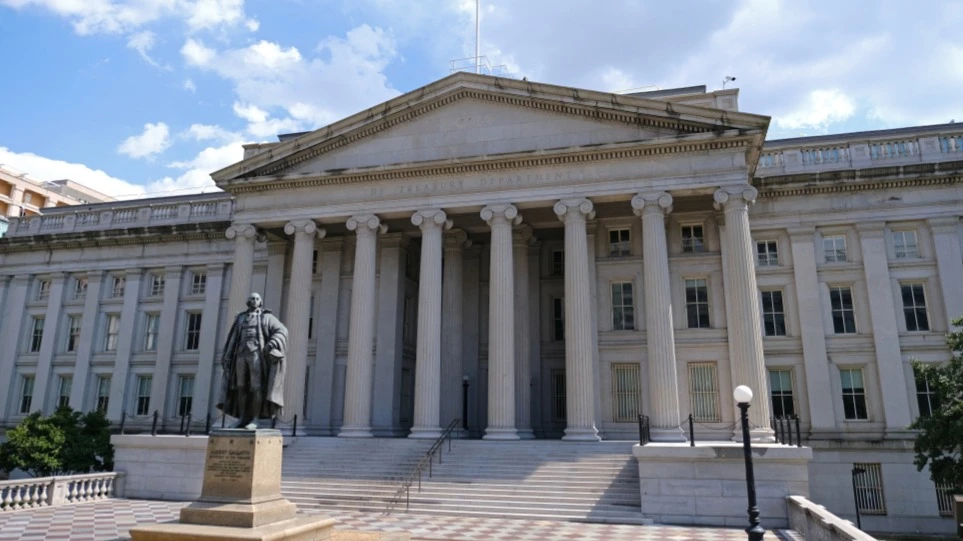
The yield on 10-year U.S. Treasuries has just hit its highest level in the past year and a half / Photo: Shutterstock.com / Matt Smith Photographer
The yield on 10-year U.S. Treasury bonds—a key indicator for mortgage and auto loans, as well as credit card debt— — rose by more than 4 basis points on July 23 to 4.699%, according to CNBC. This was the highest level since January 15, 2025, the network notes. The yield on 2-year bonds rose by more than 5 basis points to 4.353%, while the yield on 30-year bonds reached 5.167%.
One of the main factors driving the rise in yields was the spike in oil prices. On Thursday, the price of September Brent futures exceeded $100 per barrel for the first time since May. This followed reports of attacks by Iran-backed Yemeni Houthis on tankers in the Red Sea and new threats by the U.S. to intensify strikes against Iran. The rise in energy prices heightened investors’ fears of accelerating inflation.

Strong U.S. labor market data put additional pressure on the bond market. The number of initial claims for unemployment benefits for the week ending July 18 was 187,000, compared with the 212,000 expected by analysts. This figure also marked the lowest level since 1969.
Against this backdrop, investors have revised their expectations regarding the Federal Reserve’s (Fed) policy. The probability of an interest rate hike at the Fed’s September meeting has risen to 81%, up from 52% a week earlier, according to CME FedWatch data. Market participants believe that the rate is more likely to remain unchanged at the upcoming meeting.
“The economy may be showing signs of overheating today, but the situation in the labor market could become more challenging going forward, as the escalation of the conflict in the Middle East has literally turned the dynamics of energy prices on their head overnight,” CNBC quotes Chris Rupke, chief economist at the consulting firm FWDBONDS, as saying. “Half of the Fed officials are already so concerned about inflation risks that they are factoring in another rate hike this year due to those risks,” — the expert added, emphasizing, however, that the central bank must simultaneously monitor the state of the labor market, “where it is becoming increasingly difficult to find a job, especially for recent graduates.”
"The economy has not yet emerged from the danger zone—threats to both economic growth and the affordability of goods and services due to high prices persist," Rupki added.
This article was AI-translated and verified by a human editor