Emerging-market currencies hit a record high thanks to the dollar's weakness
The U.S. dollar fell to its lowest level in three months

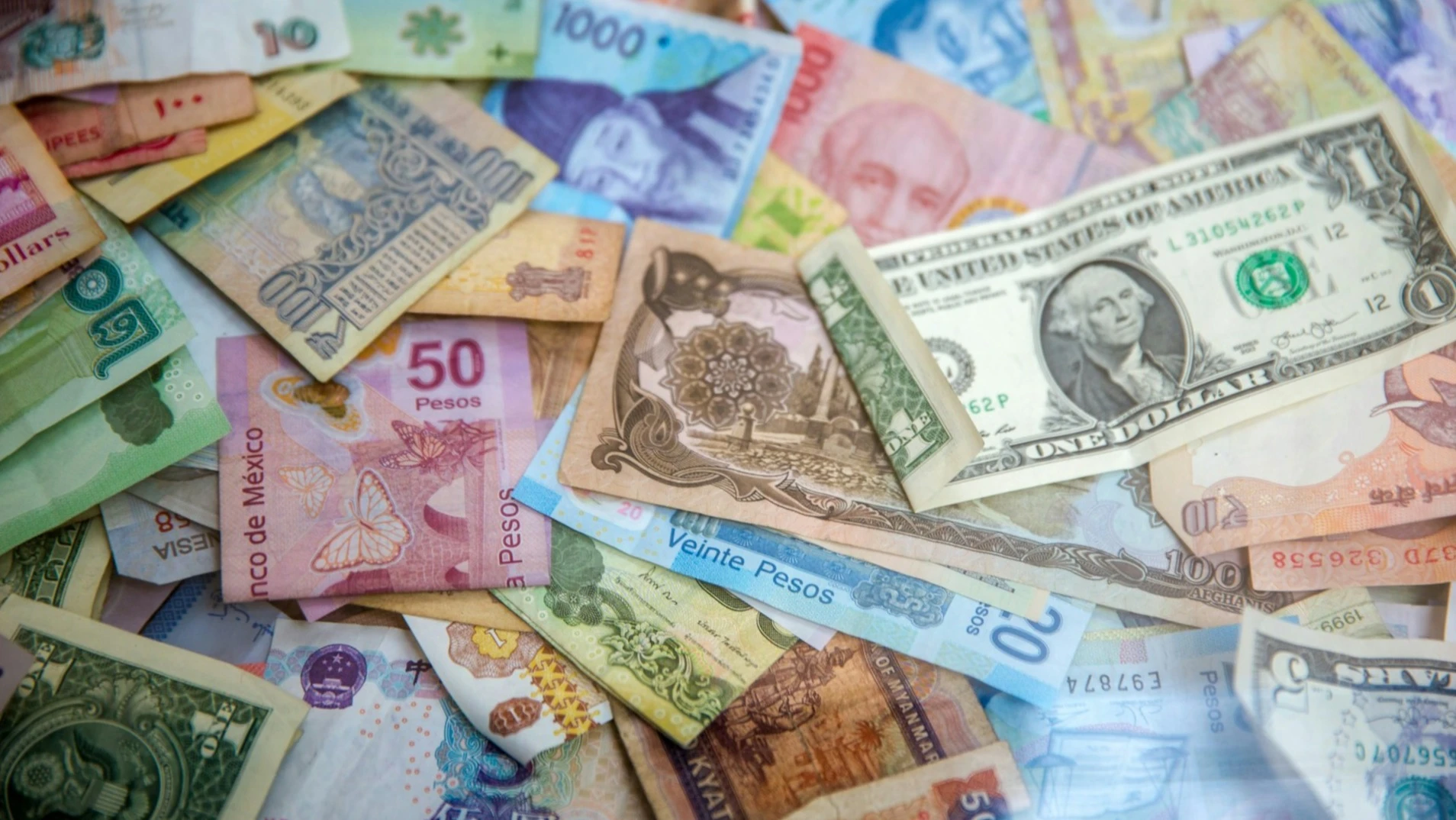
Emerging-market currencies hit a record high / Photo: Unsplash/Jason Leung
Currencies in emerging markets rose to record highs as expectations faded that the U.S. Federal Reserve might begin raising interest rates as early as September, Bloomberg reported. As a result, demand for risky assets rose and the dollar weakened, falling to its lowest level since May 15.
Details
The emerging-market currency index rose 0.33% on Monday to a record 1,909.17 points, while the corresponding emerging-market stock index gained up to 0.6%. This is being driven by a weaker dollar: the Bloomberg Dollar Spot Index fell 0.37% on Monday, losing ground for the third consecutive day.
Swap contracts currently price in a 25-basis-point increase in the U.S. interest rate by January 2027, although just a week ago, monetary policy tightening was expected by the end of 2026, according to Bloomberg. Market expectations shifted following inflation data that held no surprises and retail sales figures.
“Emerging-market currencies are being supported today, primarily by a weaker dollar and the ongoing recovery of risk assets in the stock markets, said Wei Hong Chong, BNY’s senior market strategist for the Asia-Pacific region (as quoted by Bloomberg). “We are seeing a strong return of foreign investment to emerging markets, particularly in Asia.”
"Asian currencies appear to be riding the 'tailwind' of weaker U.S. data last week and a softer U.S. dollar early this week, — said Galvin Chia, an emerging markets strategist for Asia at Société Générale, as quoted by Bloomberg. “The lack of geopolitical news over the weekend and Brent prices below $90 likely helped as well, amplifying what appears to be the late stage of a calmer summer season in the markets.”
Context
By early July, emerging-market currencies had completely lost the gains they had made since January: At that time, fears of a tightening of the Fed’s monetary policy under the leadership of its new chairman, Kevin Warsh, pushed the dollar higher, while the MSCI Emerging Markets Currency Index slipped into negative territory relative to the start of the year.
In 2025, however, the weakening of the dollar amid U.S. tariffs led to the best three quarters for emerging-market currencies since 2010—a 12.7% gain against the dollar, according to Deutsche Bank.
This article was AI-translated and verified by a human editor