Emerging-market currencies have erased their year-to-date gains amid a strengthening dollar
The strengthening of the U.S. dollar and concerns about the Fed's future monetary policy have led to a decline in the exchange rates of emerging-market currencies

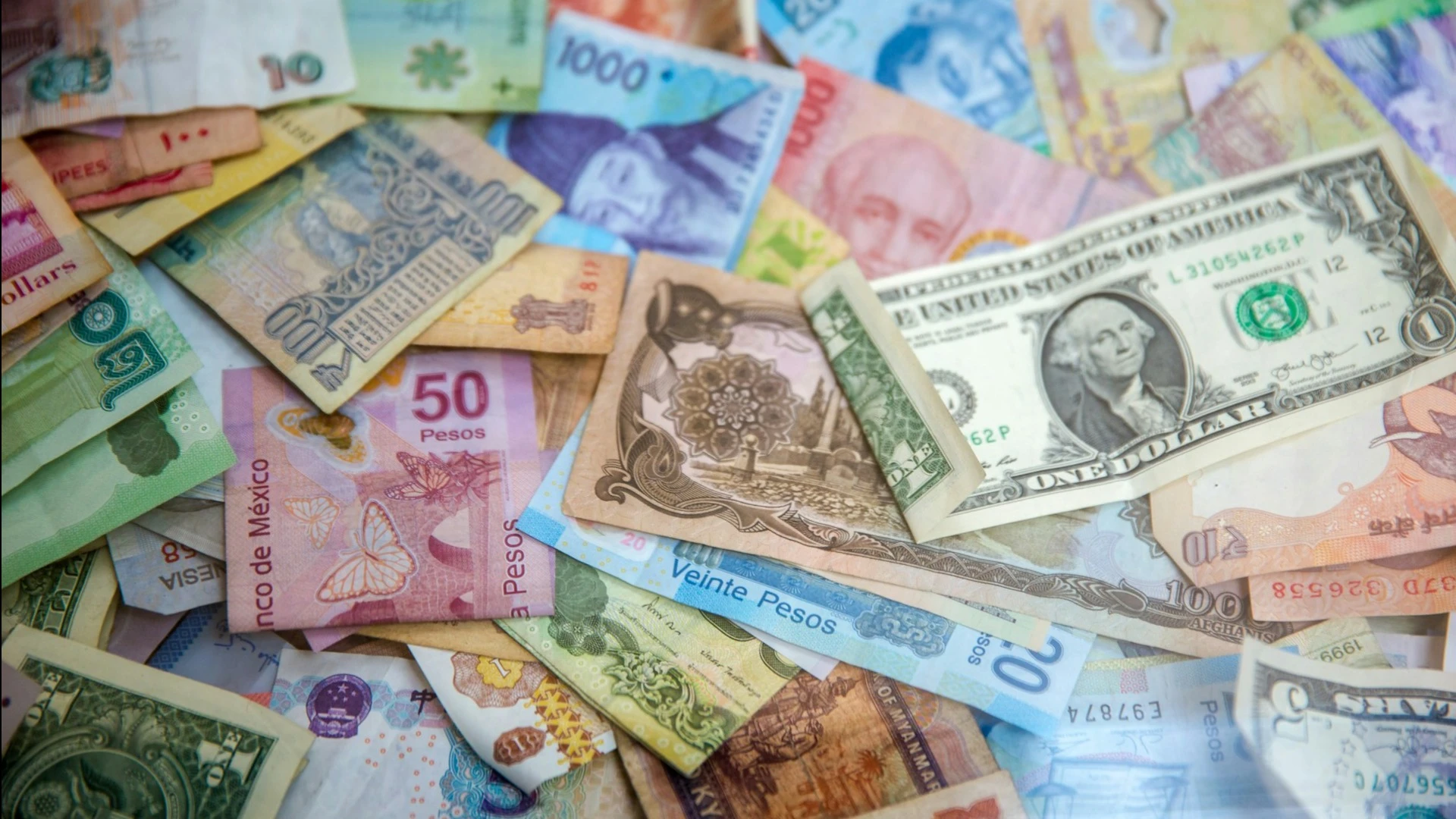
Emerging-market currencies are under pressure amid concerns over tighter monetary policy in the U.S. / Photo: Jason Leung / Shutterstock
Emerging-market currencies have erased the gains they had made this year. This was due to the appreciation of the U.S. dollar, driven by concerns over a tightening of monetary policy by the Federal Reserve (Fed) under Kevin Warsh, which completely wiped out the gains they had made since the beginning of the year, Bloomberg noted.
Details
In the run-up to the start of the war in the Middle East, the MSCI Emerging Market Currency Index—which had reached its highest level since the beginning of 2026— spiked by 2% in late February. However, by the end of June, it had lost all of that gain—on July 1, it was already down 0.2% from the start of the year and is heading toward its lowest closing level since April 7, according to Bloomberg.
Asian currencies led the decline. The South Korean won fell to its lowest level since 2009 as foreign investors sold a net 1.46 trillion won (about $938 million) worth of local stocks, the agency notes. The South African rand, which traditionally serves as an indicator of investor risk appetite, lost 0.2% due to falling gold prices—the country’s main export.
The U.S. Dollar Index, which measures the value of the U.S. dollar against a basket of global currencies, is, on the contrary, near its high for the year.
What is the reason?
The recent decline in emerging-market currencies is linked to growing market concerns about a possible tightening of monetary policy by the Federal Reserve under the leadership of its new chairman, Kevin Warsh, according to Bloomberg. Pressure on emerging-market currencies intensified ahead of Warsh’s speech at the European Central Bank’s annual forum in Sintra, Portugal.
During his remarks, the Fed chair stated that inflationary risks had eased in recent weeks (Warsh did not specify which indicators showed this), but he reaffirmed his intention to bring inflation back to the Fed’s 2% target. The latest data on the Fed’s preferred measure of inflation showed a 4.1% increase on a year-over-year basis.
Nevertheless, when asked about a possible rate hike at the upcoming meeting, the Fed chair once again did not give a direct answer. At the same time, his comments on artificial intelligence drew particular attention from investors, notes The Wall Street Journal. In particular, Warsh noted that business investment in AI has the potential to expand the economy’s productive capacity, which could have “enormous implications for monetary policy.” The newspaper saw these statements as hints at the Fed chair’s position: before taking the helm of the U.S. central bank, Warsh had said that raising interest rates during a productivity boom driven by AI would be a mistake, the publication recalls. Warsh explained his position at the time by noting that this boom would allow the supply of goods and services to catch up with demand, thereby keeping inflation in check even with a stronger economy.
Context
At its most recent meeting, the Fed left the interest rate unchanged. However, Fed officials were divided on the future path of U.S. monetary policy: nine governors said they expect at least one rate hike by the end of the year, while nine others said they expect rates to remain unchanged or be cut.
This article was AI-translated and verified by a human editor