For the first time in three years, central banks around the world have decided to reduce their holdings of the dollar
Regulators view the euro and the yuan as the main alternatives to the U.S. dollar


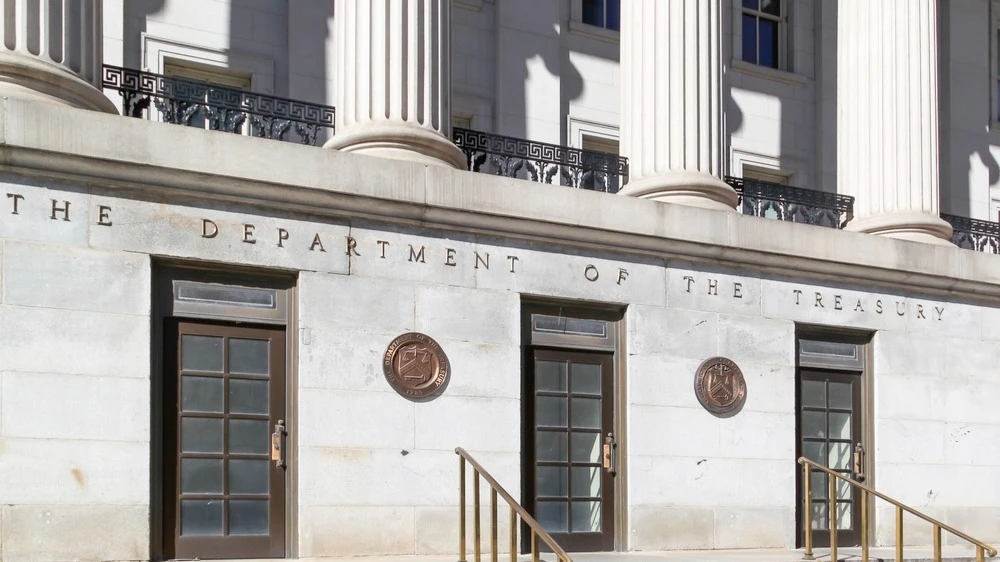
For the first time in three years, central banks around the world have announced plans to reduce the share of dollar-denominated assets / Photo: Mehaniq/Shutterstock
For the first time in three years, central banks around the world have announced plans to reduce the share of dollar-denominated assets over the long term. The main reason is the growing political risks associated with the U.S. currency. This is according to the results of the 2026 Global Public Investor survey, conducted by the Official Monetary and Financial Institutions Forum (OMFIF) among 90 government institutions. The view that de-dollarization is inevitable is also shared by government pension funds and sovereign wealth funds.
Details
There are more central banks around the world planning to reduce their holdings of the dollar than those looking to increase them: this shift away from the dollar was recorded for the first time in an OMFIF survey, Reuters notes.
Central banks expect that in 10 years, the average reserve portfolio will consist of only 52% dollar-denominated assets, according to an OMFIF report. Investors see the euro and the yuan as the main beneficiaries of this shift—in a decade, their shares in reserves are expected to reach 23% and 5%, respectively. By comparison, in the fourth quarter of 2025, the dollar’s share stood at about 57%, according to IMF data cited by Bloomberg.
"The drive toward diversification has now become a key feature of reserve management," OMFIF analysts noted.
Nevertheless, respondents acknowledge that both alternative currencies have fundamental problems that prevent them from fully catching up to the dollar. That is precisely why 79% of reserve managers are convinced that the global monetary system is moving toward a multipolar structure, leading to even greater fragmentation and uncertainty. OMFIF identifies gold as the primary beneficiary of this trend.
In the case of the euro, 55% of respondents indicated that only a consistent and large-scale issuance of bonds in the European Union would increase their willingness to build up their holdings. As for the yuan, investors have to balance the immaturity of China’s market structure against the obvious benefits of diversification, according to Bloomberg.
“The dollar continues to dominate portfolios and is still considered unrivaled in terms of safety and liquidity. However, central banks are increasingly looking to reduce their holdings of the dollar in both the short and long term, especially in emerging markets,” the OMFIF team concluded.
Why Central Banks Have Lost Interest in the Dollar
Although key interest rates set by global central banks remain the primary short-term factor in investment decision-making, geopolitical risks are increasingly shaping long-term reserve management strategies, according to OMFIF researchers. Over the past year, these risks have expanded beyond trade wars to include the conflict in the Middle East, prompting fund managers to more actively reassess their asset allocations.
In recent years, the U.S. dollar’s share has remained relatively stable—at around 57% as of the end of 2025, according to data from the International Monetary Fund (IMF). However, as the statistics show, this figure is significantly below the historical peaks of the 1970s, when the dollar’s share of global foreign exchange reserves exceeded 85%, Bloomberg reports.
This article was AI-translated and verified by a human editor