Global oil supply exceeded demand for the first time since the start of the war with Iran — IEA
Increased production in Saudi Arabia and Iraq shifted the balance in the global oil market, which contributed to a decline in prices

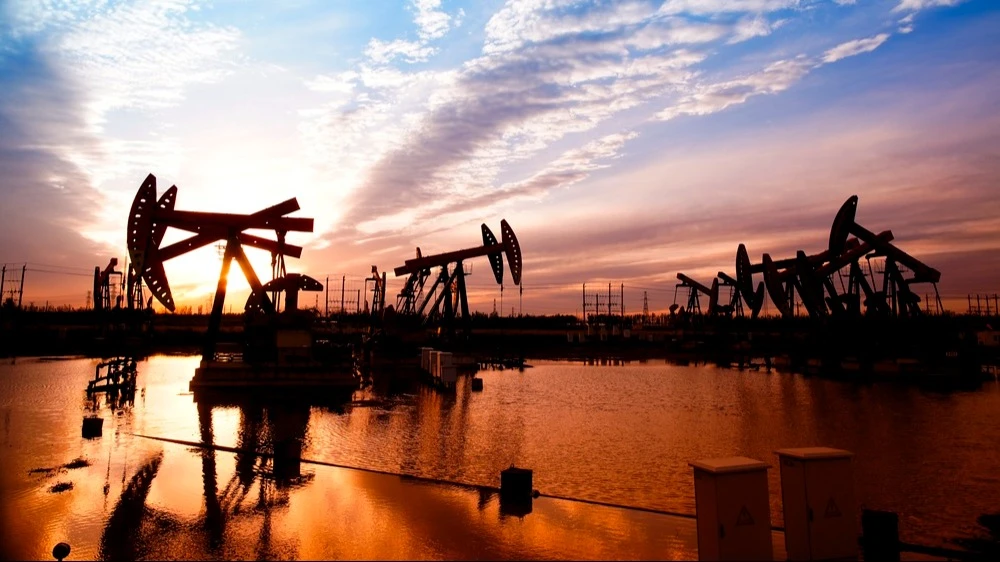
The global oil market has seen a surplus for the first time since late February, according to the International Energy Agency / Photo: pan demin/Shutterstock.com
Global oil supply has exceeded demand for the first time since the start of the war in Iran. Exports from the Persian Gulf countries have recovered despite the ongoing conflict. The International Energy Agency (IEA) reported this in its monthly report.
Details
"There are early signs of a return to balance in the oil market: for the first time since the war in Iran began, global oil supply has exceeded demand," the IEA report states.
According to the IEA, oil supplies from the Persian Gulf have recovered to 74% of pre-war levels thanks to increased production in Saudi Arabia and Iraq, despite ongoing attacks, Bloomberg reports. Exports from the region, excluding Oman, reached 18.4 million barrels per day in October. Saudi Arabia increased production to 10 million barrels per day in October, while Iraq reached a seven-year high of 4.6 million barrels per day.
Against this backdrop, the IEA raised its estimate of global supply for 2026 by 920,000 barrels per day.
Also, according to the IEA, observed oil inventories rose in October for the first time since June. However, this increase is almost entirely due to tankers at sea, while onshore storage remains at a decade-low—a sign that the conflict-induced shortage persists. IEA member countries will accelerate the release of the remaining emergency reserves, the allocation of which was announced earlier this year: an additional 71 million barrels will be released onto the market by the end of February. European countries had previously pledged to speed up this process following criticism from the United States.
According to the IEA’s forecast, demand in 2026 will decline by 2.68 million barrels per day—to an average of 102.3 million barrels per day. In 2027, it will recover but remain below 2025 levels: growth will be driven by petrochemical feedstocks, while high prices, electrification, and improved fuel efficiency will curb motor fuel consumption.
How does this affect oil prices?
The resumption of supplies from the Middle East, combined with signs that Donald Trump may refrain from taking further military action against Iran, has contributed to a decline in oil prices. Brent crude, the benchmark, has fallen by about 18% since the beginning of the month.
This article was AI-translated and verified by a human editor