Goldman Sachs Predicted Oil Prices Above $120 and Suggested Betting on High-Priced Diesel
One of Wall Street's largest banks maintained its baseline forecast for Brent at $80 but warned of increased risks

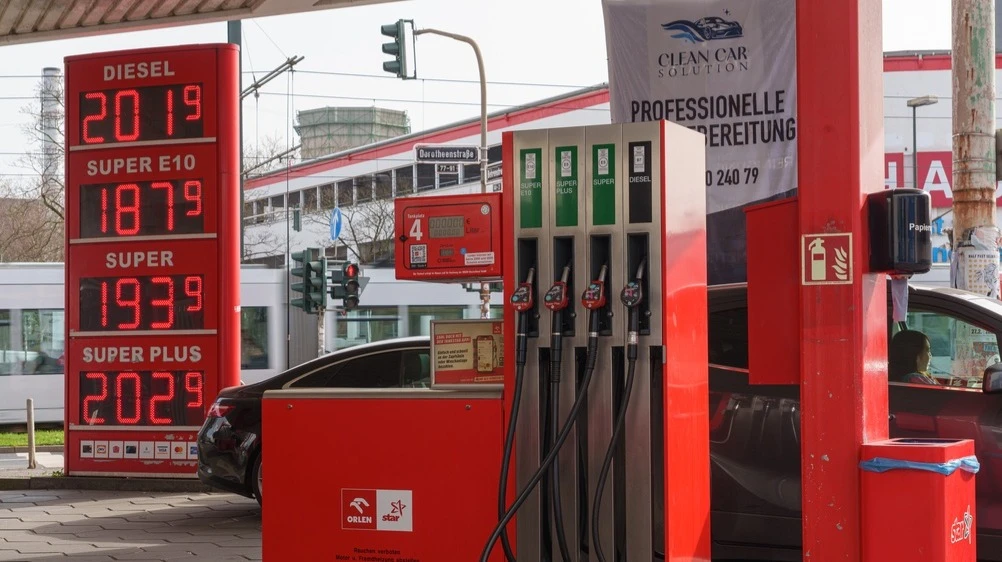
A naval blockade of Saudi Arabia by Iran from the north and by the Houthis from the south could trigger a fuel crisis in the EU / Photo: Alexander Fedosov/Shutterstock.com
Goldman Sachs warned of the risk that Brent crude prices could rise above $120 in the fourth quarter if shipping disruptions through the Strait of Hormuz persist. However, this is not the base-case scenario: if tensions ease, the bank expects oil prices to settle at $80. Goldman suggested hedging risks in the oil market by betting on a diesel fuel shortage in Europe this coming winter.
Details
Goldman had previously suggested that oil prices could exceed $110 if Middle Eastern exports do not recover. However, the bank now believes that the risks to its forecast have shifted “to the upside”—due to the resumption of the de facto blockade of the Strait of Hormuz and potential problems in the Red Sea. “Escalation in the Middle East and a reduction in supplies from the Persian Gulf to less than 45% of pre-war levels have once again pushed oil prices higher,” Goldman analysts led by Daan Streven wrote on July 20 (as quoted by Bloomberg).
Goldman recommended buying the December 2026 European diesel futures contract and selling the March 2027 contract. This strategy is based on the expectation that the December contract will appreciate relative to the March contract. The bank attributed its choice of diesel to market conditions: the market was already very tight even before the war. Ukraine continues to strike Russian refineries, and hurricanes, extreme summer heat, and delays in plant maintenance are creating additional risks to supplies, Goldman analysts noted.

Goldman's baseline forecast continues to assume that tensions in the Middle East will ease, with Brent trading at $80 per barrel in the fourth quarter and $75 in 2027.
During trading on July 21, Brent rose by about 0.5% to $89.6 per barrel. U.S. WTI gained 0.7% to $83.8 per barrel. In late April, during the initial phase of the conflict between the U.S. and Iran, the price per barrel exceeded $126.
What Other Analysts Are Saying
Bank of America believes that accumulated oil reserves will be sufficient to offset supply disruptions through the strait for several weeks or even months, according to MarketWatch. However, if the fighting does not cease soon, the price could rise above $100 per barrel again, the bank warned.
Analysts at JPMorgan Chase, led by Natasha Kaneva, emphasized that what matters now is not whether the Strait of Hormuz will remain open, but who will dictate the terms of its operation.
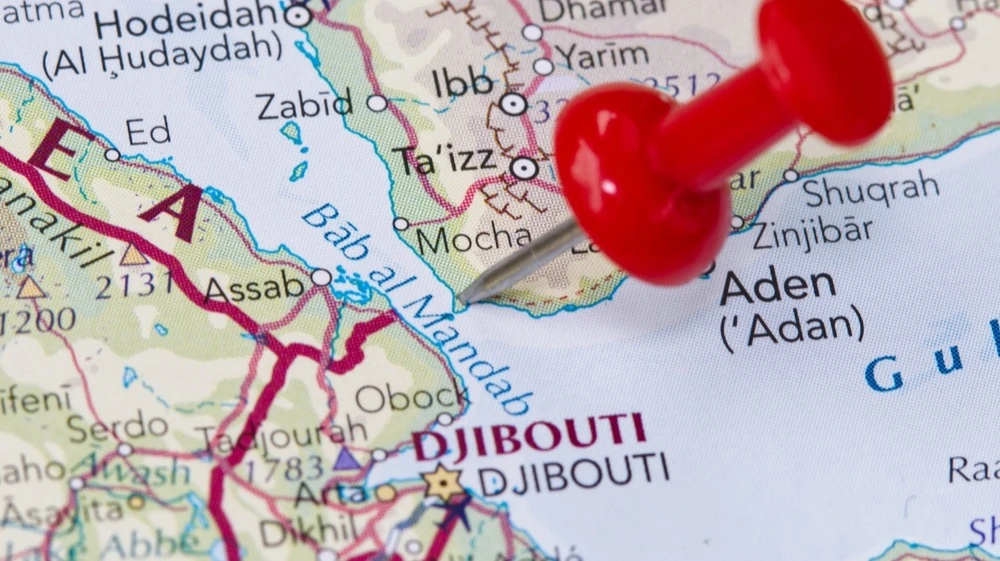
On July 20, an additional risk emerged in the market: the Iranian-backed Houthis in Yemen imposed a naval blockade on Saudi Arabia. “If they actually manage to stop or seriously disrupt oil shipments through the Red Sea, this will affect both oil prices and the cost of petroleum products,” John Pacey, president of Stratas Advisors, told Reuters. He estimates that oil prices could then exceed $115 per barrel and approach $120.
BCA Research noted that the market had underestimated the fragility of the truce between the U.S. and Iran. The resumption of oil price growth “served as a reminder that oil prices will continue to reflect a geopolitical premium in the coming weeks and months,” said Rukaya Ibrahim, the company’s chief commodities strategist. “Geopolitics and fundamental factors will cause oil to trade within a wide range through the end of the year, with the average price of Brent at $80 per barrel,” Ibrahim predicted (as quoted by The Wall Street Journal).
This article was AI-translated and verified by a human editor