Inflation in the eurozone jumped to a nearly three-year high

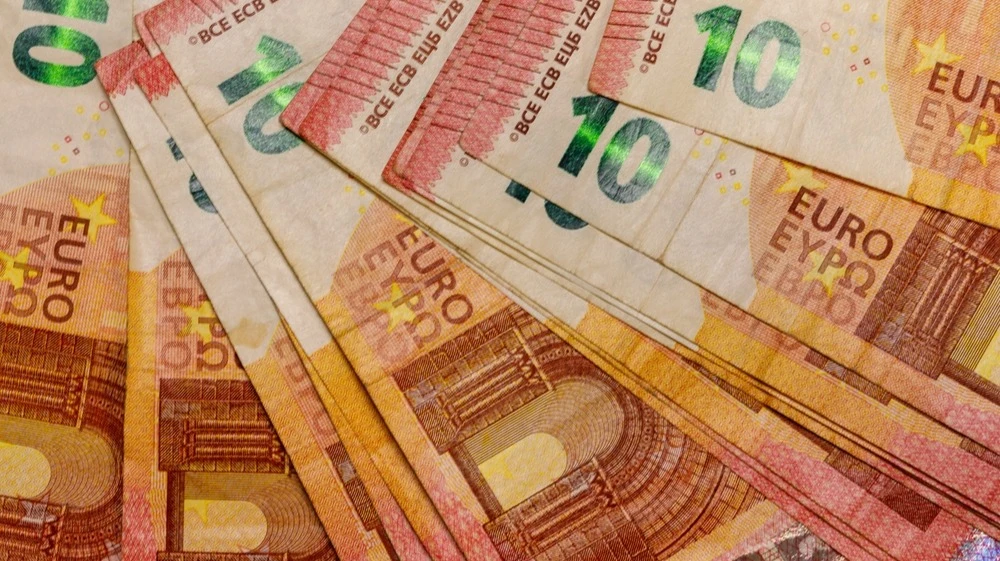
Inflation in the eurozone has accelerated to its highest level in nearly three years. Photo: de-nue-pic/Shutterstock
According to preliminary data from Eurostat, inflation in the eurozone accelerated last month to its highest level in nearly three years, Bloomberg reports. This could provide a strong case for the European Central Bank (ECB) to raise interest rates next week, the agency notes.
Details
According to preliminary data from Eurostat, consumer prices in the eurozone are expected to have risen by 3.3% year-over-year in August, up from 2.9% the previous month. This is the highest level since September 2023 and matches the median forecast of economists surveyed by Bloomberg, the agency notes.
Moreover, the sharpest rise in inflation is expected to occur in the eurozone in August in the energy sector (14.3% year-over-year, compared with 10.3% in July), according to a Eurostat release. Meanwhile, in the services sector, inflation unexpectedly declined last month compared with July—rising by 3%, although a month earlier the rate of increase in this sector had been 3.3%.
According to preliminary data from Eurostat, the highest inflation rates in the eurozone in August were recorded in Lithuania, Bulgaria, and Cyprus (where inflation exceeded 5%).
Context
Since the war with Iran is keeping inflation well above the 2% target and the eurozone economy is showing resilience, investors are betting that the ECB will continue the cycle of interest rate hikes it began in June, according to Bloomberg. The ECB’s next rate hike of a quarter of a percentage point on September 10 is already fully priced into the market, and traders believe it will be followed by further hikes, the agency notes.
A move like this next week could cement the ECB’s status as the most “hawkish” central bank in the G7. The key question for the regulator remains: will it have to raise the deposit rate, which currently stands at 2.25%, to a level that curbs economic activity, Bloomberg notes. ECB Chief Economist Philip Lane previously noted that 2.5% is the upper limit of the so-called neutral range.
As for the United States, at its most recent meeting, the Federal Reserve (Fed) paused and kept its benchmark interest rate unchanged. However, according to data from the CME Group’s FedWatch tool, markets expect with a 68.6% probability that at its next meeting, the U.S. central bank will follow the ECB’s lead and raise rates.
This article was AI-translated and verified by a human editor