Iran and Oman are preparing rules to control the Strait of Hormuz. What about oil prices?

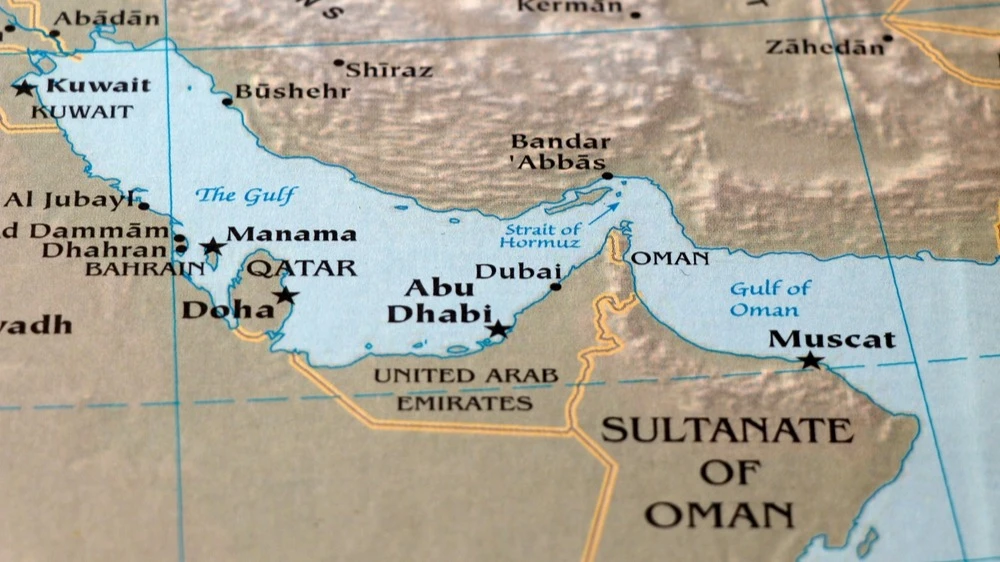
Iran and Oman are preparing a mechanism to control traffic in the Strait of Hormuz / Photo: Libin Jose / Shutterstock
Iran is developing a joint protocol with Oman to monitor shipping through the Strait of Hormuz, the country's state-run IRNA news agency reported, citing Deputy Foreign Minister Kazem Gharibabadi. A translation of the report is quoted by Bloomberg and CNBC.
The passage of ships along this key route for the world oil trade "should be carried out under the supervision and in coordination" of the two countries, the official said. He added that the issue is not about restrictions, but about simplifying and ensuring safe traffic. The goal is to provide better services to ships traveling through the corridor, he said.
Against this background, oil prices, which were rising sharply during the day, corrected from intraday highs. June Brent futures were up 6.4% at the time of publication of this text, trading above $107 per barrel. May WTI contracts slowed down from 13% to 8.9%, but then went back up to $111 per barrel.
U.S. stock indices, in turn, recovered some of their losses after the collapse at the opening of trading. The S&P 500 and Nasdaq Composite were down about 0.4% after the Iranian agency's report, while at the beginning of the session the technology index collapsed by more than 2%. The Dow Jones Industrial Average, which was losing 1.3% at the opening, was trading down 0.5%.
The VIX volatility index, known as the Wall Street fear gauge, which jumped 11% and passed the 27-point mark, has fallen to 25 points. A level above 30 points is considered an area of heightened uncertainty and is associated with corrections and recessions.
"I think investors have reflex reactions - they want the news to be good, but after reflecting on it a little longer, they decide that maybe the uncertainty is still too great, hence the high intraday volatility," Melissa Brown, head of investment solutions research at SimCorp, told CNBC.
This article was AI-translated and verified by a human editor