Brent crude oil slips to $110 as Trump's deadline on Iran approaches

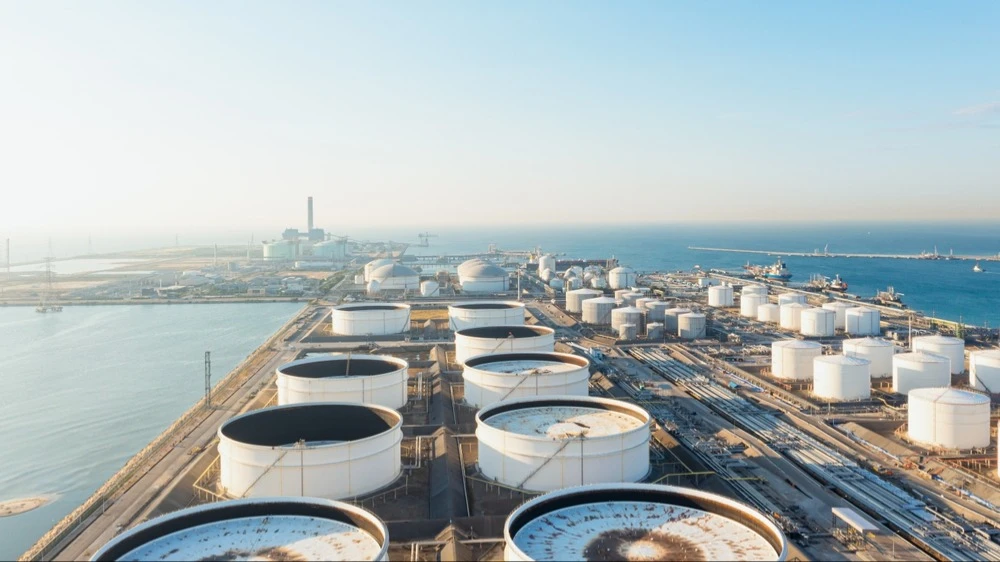
Oil declines amid US ultimatum to Iran on the Strait of Hormuz / Photo: AU USAnakul / Shutterstock
Oil prices went into negative territory on April 7 relative to the previous close - Brent is trading below $110 per barrel, U.S. WTI crude futures also cut gains and are at $112.3.
Details
Brent leveled off the growth previously achieved during the session on April 7 (at the intraday maximum it reached more than $111 per barrel) and traded in the minus by almost 0.5% against the previous close, at $109 per barrel. At its low on April 7, its value fell to $107.42. May futures for U.S. WTI crude oil have also reduced their growth rates - at $112.3, although at the high on April 7, they jumped to $116.56 per barrel.
Such dynamics oil quotations demonstrate against the background of approaching deadline set by U.S. President Donald Trump for Iran: Tehran must open the Strait of Hormuz until 20:00 Eastern Time on April 7 or face the destruction of key energy infrastructure and bridges, threatened Trump at the weekend, writes Bloomberg. At the same time, Iranian authorities vowed to respond to U.S. strikes on civilian infrastructure by bombing energy facilities of U.S. allies in the Persian Gulf. Iran's Foreign Ministry on April 6 also rejected a draft truce proposed by Washington through Pakistani mediators, insisting on a final cessation of hostilities and the complete lifting of sanctions on Iran as mandatory conditions for a peace agreement.
What the analysts are saying
- "Either we will get a fragile détente - without a [U.S.] ground operation [in Iran], with controlled escalation and gradual restoration of [energy] supplies - or a protracted conflict involving [U.S.] ground troops and - as a result - a structurally higher risk premium [in asset prices]," Bloomberg quoted Societe Generale analysts including Mike Hague and Ben Hoff as saying. Countries will respond to unfavorable outcomes in the Middle East with large-scale stockpiling, they said.
- AJ Bell analyst Dan Coatsworth said he is considering two other basic scenarios: either one of the parties to the conflict - Washington or Tehran - will make concessions, which could cause a sharp rise in stock markets and lower energy prices, or there will be a serious escalation with corresponding consequences for financial markets, Barron's writes. At the same time, he said, there is a third option for the development of events - Trump's extension of the deadline for opening the Strait of Hormuz and signing a peace agreement. As a result, the markets will again be in a state of uncertainty and will be forced to be guided by signals and rhetoric of the U.S. and Iran, the analyst says.
- CG Asset Management portfolio manager Emma Moriarty agrees. She is quoted by Bloomberg as saying, "It's not clear that there is a clear factor explaining the change in market sentiment," she noted, adding that as Trump's deadline approaches - with no sign of agreement - markets may be pricing in a TACO ("Trump Always Chickens Out"; "Trump always backs down/backs down") scenario - i.e., another extension of the ultimatum deadline.
This article was AI-translated and verified by a human editor