Iran has canceled the opening of the Strait of Hormuz. Two ships hit by gunfire - Reuters
Tehran blocked the strait less than a day after announcing its full opening

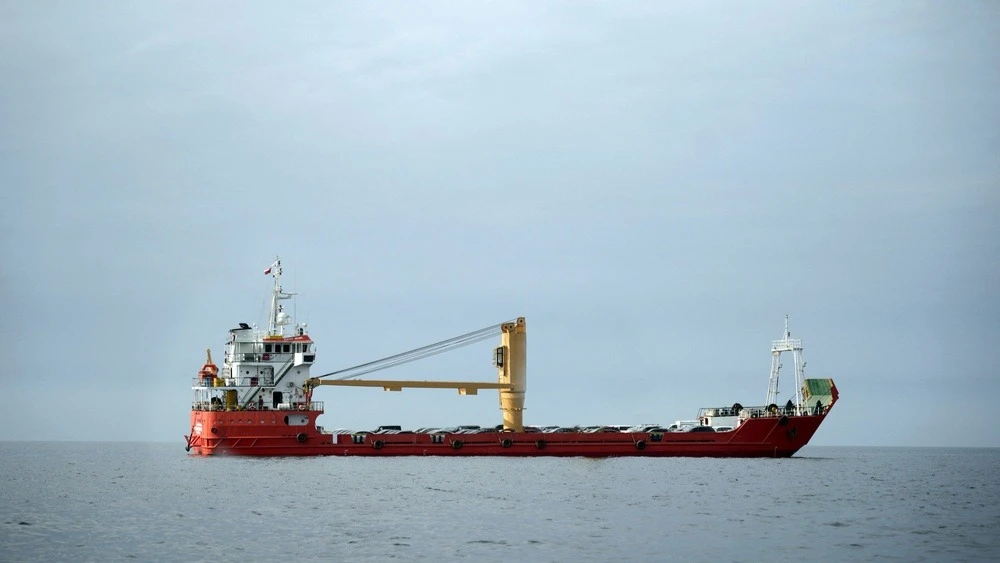
Iran has notified shipowners that the Strait of Hormuz is closed again / Photo: mytaj / Shutterstock.com
At least two merchant ships trying to cross the Strait of Hormuz came under fire, Reuters reported citing three sources. According to Bloomberg's sources, a supertanker was among those hit by fire.
On Saturday, Iran notified shipowners that the Strait of Hormuz is closed again, sources told Bloomberg. This happened less than a day after Tehran announced the full opening of the channel. As the agency describes it, there was "chaos" in the strait on Saturday. Some cargo ships tried to cross this transit corridor, while others turned around or froze waiting for more clarity.
The day before, several tankers and cargo ships attempted to leave the strait along a route agreed to with Iran but then suddenly turned around, Matt Smith, director of commodities research at Kpler, told CNBC. "They were clearly not given permission to pass," he said. It was a "false hope" the strait actually remains closed, said Matthew Wright, senior freight analyst at Kpler.
What Iran is saying
The Strait of Hormuz will not be opened completely, Iran's central military command headquarters said on Saturday. The decision comes as the US continues its blockade of Iranian ports, the statement quoted by the Financial Times said.
"As a result, control over the Strait of Hormuz has returned to its previous state and the strait is now under the full management and strict control of the armed forces," the headquarters said.
Context
Iran's decision to block tanker traffic through the Strait of Hormuz after the start of the war triggered the biggest energy crisis in decades, the Financial Times reports. Before the war, about a fifth of the world's oil and gas supplies passed through this strategically important waterway.
The day before, on April 17, Iran said it would fully open the strait to commercial shipping for the period of a 10-day ceasefire in Lebanon. The cessation of Israeli hostilities against the radical Hezbollah movement in Lebanon was one of Iran's demands, and the US had to put pressure on Israel, the FT writes.
Iran's announcement on the opening of the strait caused a sharp drop in oil and gas prices. In turn, US President Donald Trump said that the US would continue to block ships leaving Iranian ports. He also made it clear that the countries were close to a deal that would end the war. He claimed Iran had agreed to suspend its nuclear program indefinitely and hand over its stockpile of highly enriched uranium.
Trump "made seven assertions in an hour and all seven were false", Iran's chief negotiator Mohammad Bagher Ghalibaf said in response. He wrote on social network X that the U.S. would not achieve anything in the negotiations "with such lies" and that the Strait of Hormuz would not be opened if the U.S. blockade continued.
This article was AI-translated and verified by a human editor