Iran responded to the U.S. strikes with attacks on countries in the Persian Gulf. Oil prices surged

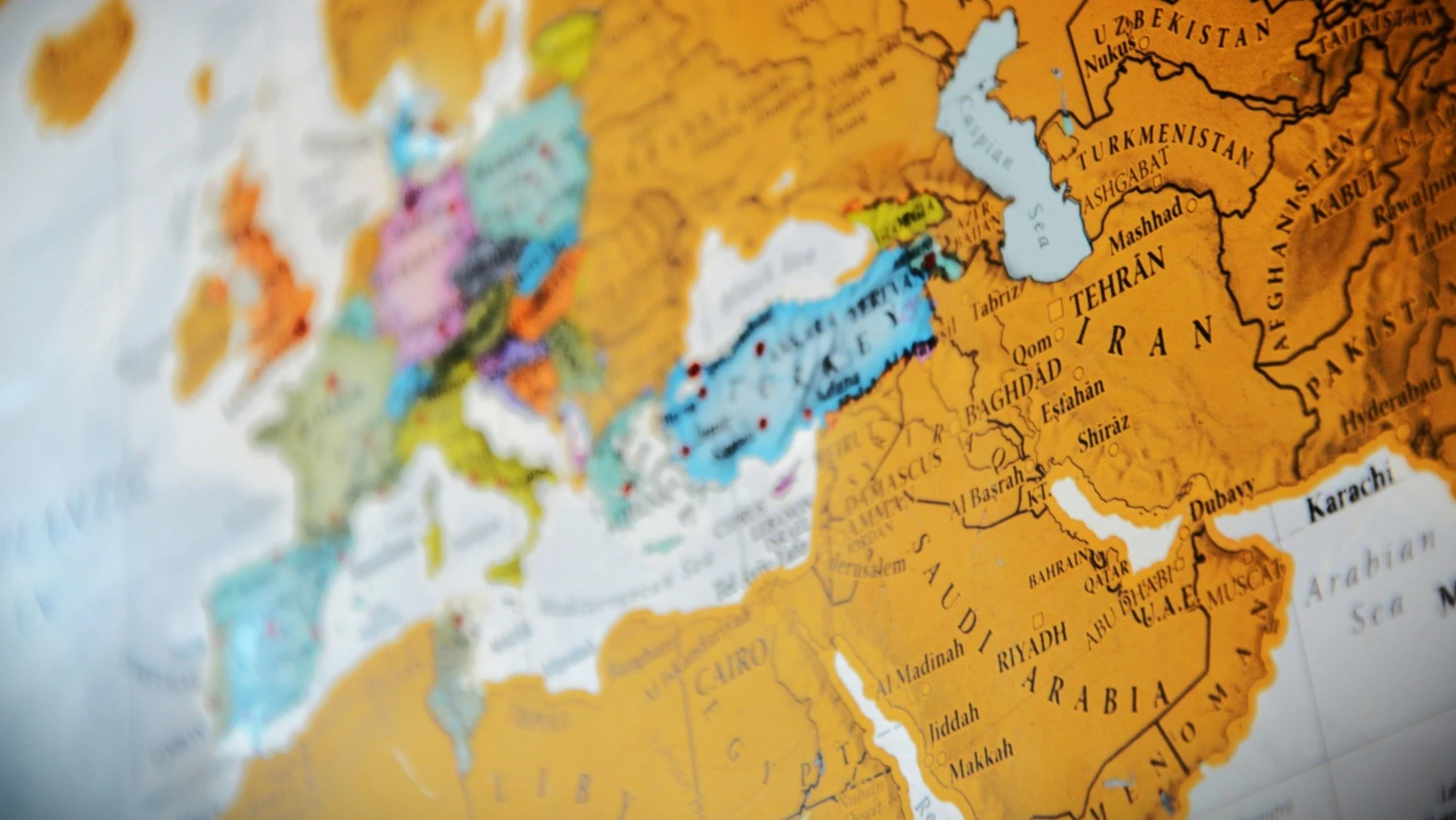
Photo: Emin Huric / Unsplash
Brent crude oil prices jumped more than 2% on July 17, reaching $86.1 per barrel. The U.S. and Iran have been striking each other’s positions in the Middle East for the sixth consecutive day, according to Bloomberg. In response to the latest U.S. strikes, Iran attacked U.S. military bases in Kuwait, Jordan, and Bahrain, and—for the first time since the latest escalation of the conflict— struck Kuwaiti water and power plants. In addition, Tehran attacked an Omani-owned island in the Strait of Hormuz.
Details
Against this backdrop, Brent crude jumped 2% on Friday, approaching $86 per barrel (it briefly surpassed that level during intraday trading). North American WTI is trading at $80.69—also more than 2% higher than the previous close.
Brent and WTI futures are expected to close the week up more than 11% each, according to Reuters, which notes that this would be the biggest jump since April.
Oil prices are reacting to the escalation of the conflict in the Middle East: For the sixth consecutive day, the U.S. and Iran have been launching strikes against each other’s positions in the Middle East. On the night of July 17, according to Iranian state media, the U.S. military carried out strikes in southern Iran, hitting six road bridges, among other targets. Additionally, according to some reports, the southern Iranian city of Bushehr was attacked; the country’s only nuclear power plant is located in its suburbs, Bloomberg reports.
In response to these attacks, Iran fired on U.S. bases in Kuwait, Jordan, and Bahrain, and also attacked an island in the Strait of Hormuz that is part of Oman. In addition, Bloomberg reports that, for the first time since the latest escalation of the conflict began, Iran struck Kuwaiti water and power plants. According to Kuwait, many power units were damaged as a result of the attack.
On July 15, U.S. President Donald Trump threatened to escalate military operations in the Middle East — until Iran backs down on the issue of the Strait of Hormuz and agrees to allow unimpeded passage of commercial vessels through the waterway.
What People Are Saying in the Market
“Some market segments are taking a wait-and-see approach,” commented Lars Skovgaard, an investment strategist at Danske Bank (as quoted by Reuters). “As long as there is no progress in oil price trends, there’s no point in buying stocks on the market. It’s just another negative factor,” he added.
The escalation of the conflict in the Middle East “has halted the recent recovery in [energy] supply from the Gulf countries, reigniting concerns about tightening conditions in global markets,” Saxo Bank analysts noted (as quoted by The Wall Street Journal, WSJ). “The impact is felt most strongly in the refined products segment—prices for diesel and gasoline have risen sharply,” they noted. Gasoline prices in the U.S. stand at $3.94 per gallon, according to data from OPIS (Oil Price Information Service). This is about 32% higher than before the war with Iran began, the WSJ notes.
This article was AI-translated and verified by a human editor