Is Buffett's strategy not working in the age of AI? Here's how two market veterans argue about it
The manager of the Aquamarine Fund says the golden age of value investing is over. Former Fidelity portfolio manager George Noble joined the discussion: he believes that the best times are just beginning for those who are able to think outside the box

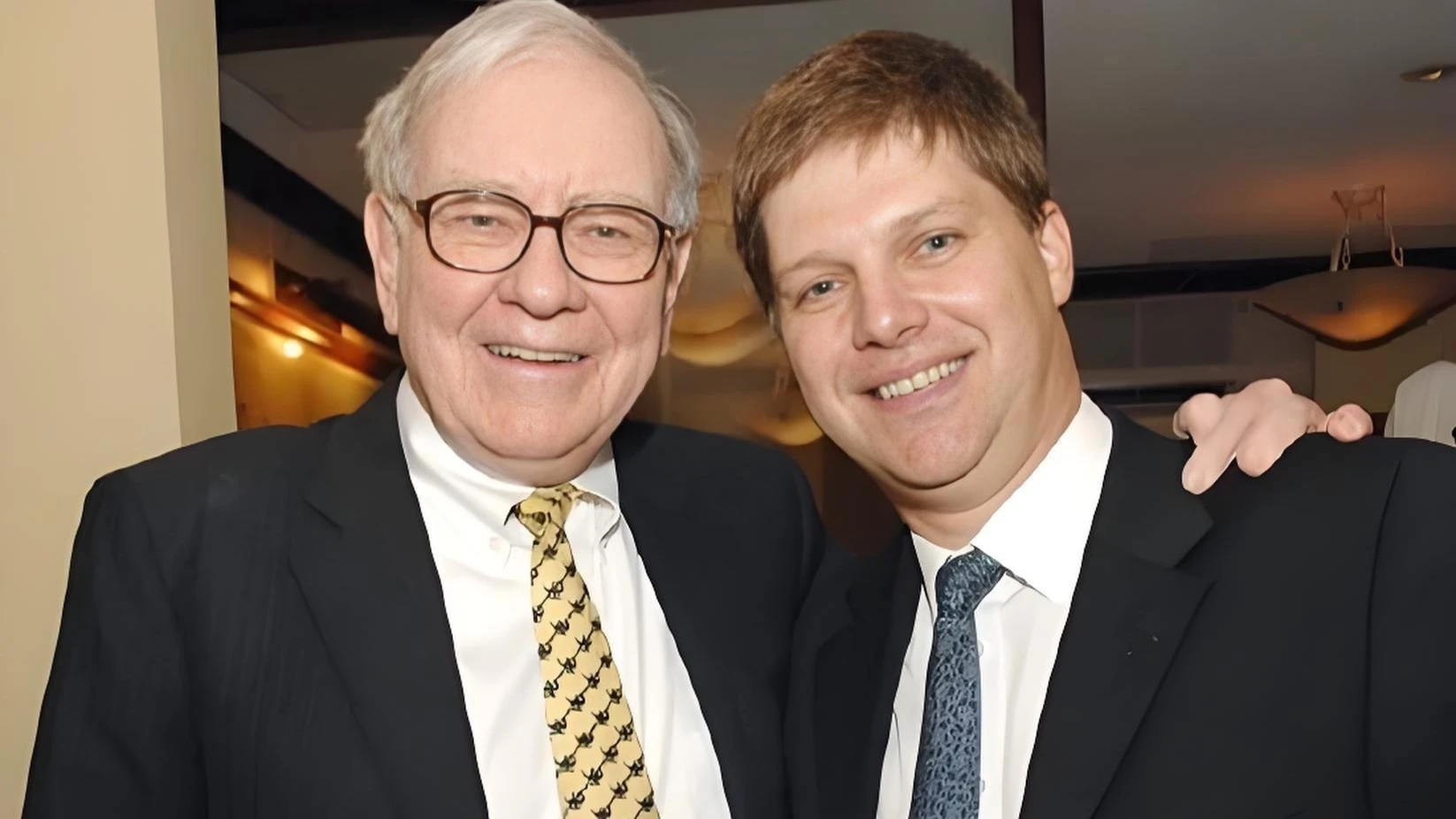
Guy Spier moved into investing from banking because of his admiration for Buffett / Photo: Threads / Guy Spier
Aquamarine Fund manager Guy Spear, known as a longtime follower of Warren Buffett, is closing his fund and returning money to investors. He is convinced that classic value investing, on which both Buffett's strategy and his own approach were based for decades, no longer works. Market veteran George Noble sees the exact opposite signal in the market: he believes it is too early to bury active stock picking.
"The golden age of value investing is over."
Guy Spear announced the closure of the Aquamarine Fund, which managed $470 million in assets, and the return of the money to external investors. In his annual letter to the fund's shareholders, he explained that he made this decision due to health problems. In late 2024, he was diagnosed with glioblastoma, an aggressive malignant brain tumor.
"We decided the best option would be to return the capital raised now while the fund is growing and we're in a win-win situation. It's far better to end our careers on a high note than risk a period of decline - mental or financial - that could lead to mutual recriminations or the loss of the trust we've built over decades"

Guy Spear, who won a charity dinner with Buffett in 2007, ran the Aquamarine Fund for 28 years. During that time, the fund has delivered a compounded return of about 1,200% and has generally outperformed the S&P 500, though it has lagged the benchmark for the past 7-8 years. After the return, Aquamarine will transform into a family office: Spear will continue to invest, but without outside capital.
Guy Spear moved into investing from banking - because of his admiration for Buffett. But now he says the advantages that elevated stock pickers like Buffett and his longtime partner Charlie Munger to riches no longer exist. In his view, advances in artificial intelligence have meant that anyone can now easily find unseen opportunities for growth.
"The golden age of value investing is finally and irrevocably over. Thanks to LLMs (big language models), I no longer need a junior analyst: for a fraction of the cost, AI does a much better job. And the era of dashing hedge fund managers - like Michael Steinhardt, George Soros, Julian Robertson - is also a thing of the past"

"The best time for active management."
But other market players don't share Spear's pessimism about stock selection. "This is literally the most bullish signal for active management I've seen in years," veteran investor George Noble wrote at Substack.
Noble, an independent manager and former portfolio manager at Fidelity, reminded us that this is not the first time talk of the "death" of active stock picking has been heard. In 1999, it was thought that the Internet had destroyed investors' information advantage, in 2007 it was thought that quantitative models had solved the problem, and in 2012 it was thought that passive funds had made selecting individual securities pointless. But, according to him, each time such conclusions turned out to be premature.
"Every single obituary to active management has been written at precisely the most inopportune time <...> When everyone is disappointed in active management is precisely the time when active managers are performing better than they have in years"
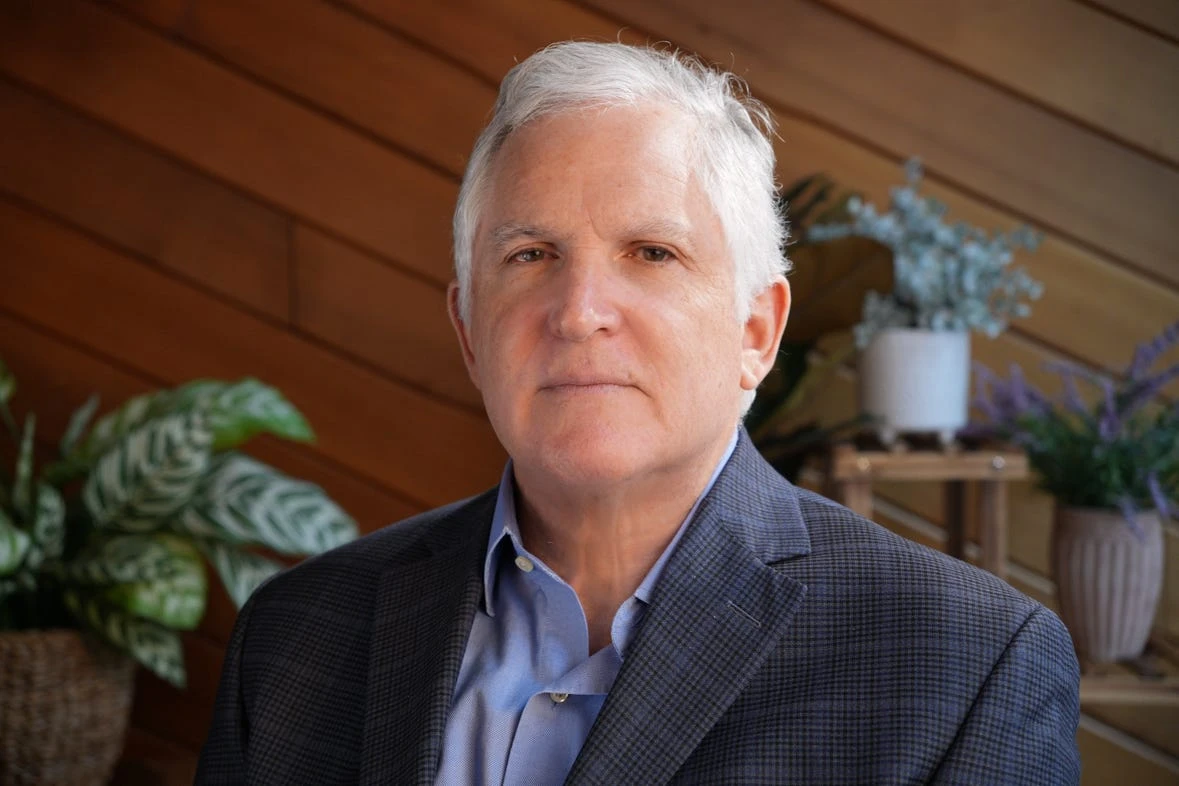
As an argument, he cites statistics: in the first half of 2025, 46% of actively managed large-cap equity funds outperformed the S&P 500 index, and among small-cap funds, only 22% performed worse than their benchmark. For managers choosing small-cap stocks, this is the best result, Noble says.
Noble believes investors need to think outside the box. In his view, the problem is that too many managers have capitulated to the market and have effectively reduced their portfolios to the "Magnificent Seven" stocks, while the massive influx of money into index funds is creating distortions and new opportunities for investors betting on specific securities.
Passive strategies, Noble notes, buy the index in its entirety, making no distinction between companies with different valuations and business quality. An active manager might not hold the overheated securities of the "Magnificent Seven" companies, which are already spending hundreds of billions of dollars a year on AI infrastructure, and instead look for ideas in less popular market segments.
"Nobody looks at small-cap energy companies that are trading at a P/E multiple of 5. No one looks at commodity producers that have balance sheets like fortresses. No one looks at emerging markets, which trade at a historic discount to U.S. stocks. That's where the market advantage lies
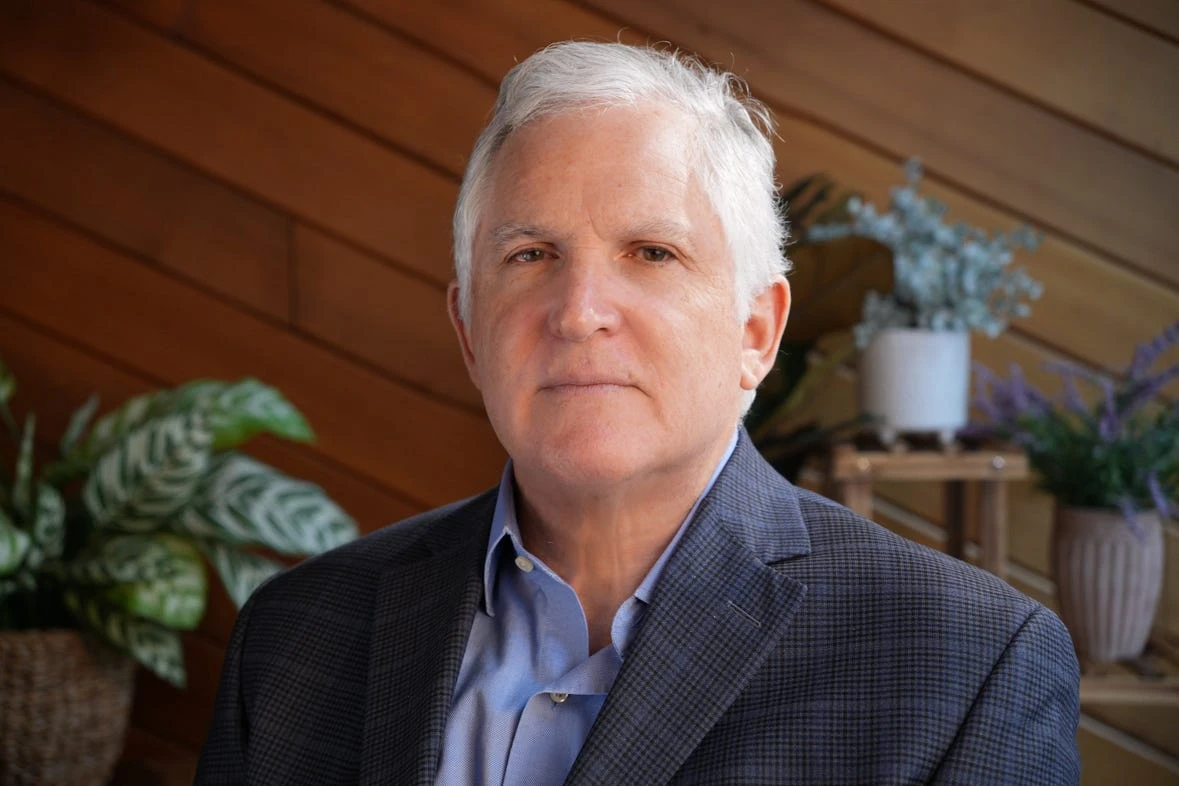
Noble believes that for those investors who are willing to do the deep work, ignore the noise and think independently, this is the golden age of stock picking.
This article was AI-translated and verified by a human editor