LVMH sales fell more than expected because of the war. What does this mean for the luxury sector?
The conflict reduced organic revenue growth for the owner of Louis Vuitton and Dior by about 1 percentage point

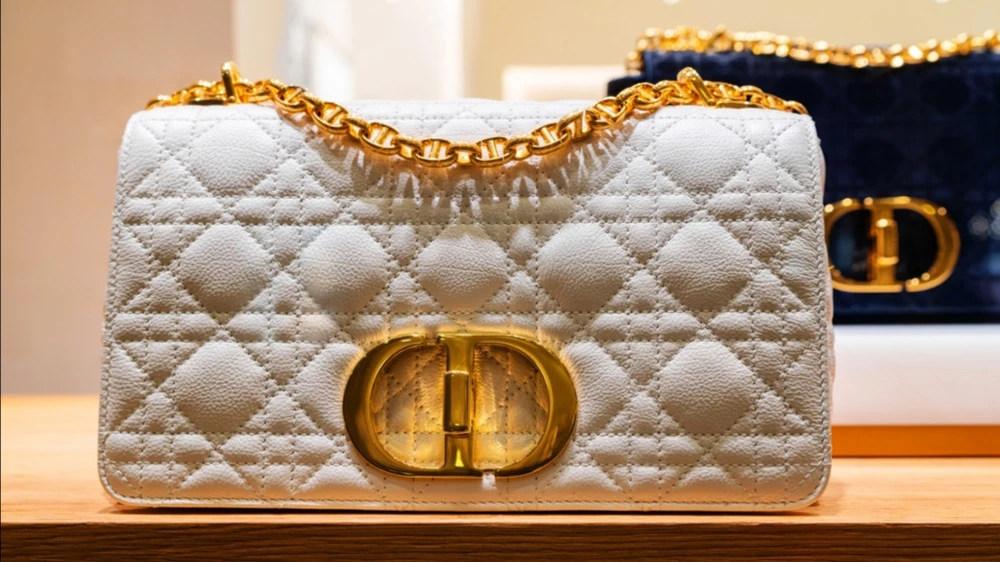
Organic revenue at LVMH's key fashion and leather goods division fell 2% in the first quarter / Photo: photo-lime / Shutterstock.com
Luxury holding company LVMH's Middle East business, which contributes about 6% of revenue, was under pressure after a "very strong start to the year" due to the U.S. and Israeli war against Iran, the company said. The conflict reduced organic revenue growth by about 1 percentage point in the first quarter, LVMH said. Analysts had expected the hit to be less severe, Bloomberg wrote. Shares of the fashion house, which owns the Louis Vuitton and Dior brands, plunged a record 28% in the first quarter, the publication said.
Details
Organic revenue at LVMH's key fashion and leather goods division fell 2% in the first quarter, the company said Monday, April 13. Analysts expected a decline of only 0.05%, Bloomberg notes. Losses of the largest division of the company is associated with the war in the Middle East, which reduced demand for the products of brands Louis Vuitton and Dior. At the same time, the organic revenue of the holding company as a whole increased by 1% - also worse than expected.
"You have to take into account that the Middle East is quite a lucrative market. If you lose €1 in sales, you probably lose a bit more in margins," LVMH CFO Cecile Cabani said, she was quoted as saying by Reuters.
Europe and Japan posted weak results in the first quarter. In Europe, sales were down 3% due to the strong euro and the war, LVMH noted in a Reuters statement. The U.S. and the region that includes China unexpectedly showed resilience to the crisis, with organic revenue up 3% and 7%, respectively, exceeding analysts' forecasts, Bloomberg noted. In particular, China showed strong sales during the New Year shopping period, the performance of cosmetics chain Sephora improved, the company added. But that didn't help offset losses in the Middle East.
There are signs that more exclusive brands are better able to weather the downturn, Bloomberg notes. LVMH's Loro Piana brand, which targets the most affluent clients, posted double-digit growth in global sales in the first quarter.
Bonds LVMH, traded in the U.S., fell by 3.75% in trading on Monday, April 13, while Kering (owner of Gucci) lost 1.5%, writes Reuters. Shares of both companies are traded in Paris, trading there ended before the publication of the report LVMH.
Why it's important
LVMH due to the scale of business and a wide line of premium brands is considered as an indicator of the state of the entire industry, writes Bloomberg. The LVMH report is likely to increase investors' concerns about the impact of the war in the Middle East on the initial recovery of the $400 billion luxury goods market, notes Reuters.
"We have already seen two or three years of crisis [in the luxury sector]. And just when we were hoping to get out of it, it hit again with the Middle East," said Laurent Chodorges, a member of the investment committee of the BDL management company in Paris (quoted by Reuters).
Most analysts still believe 2026 will be a year of growth for the sector, including LVMH, Reuters noted. But LVMH shares have had their worst start to a year on record, Bloomberg says: the stock is down 28% in the first three months of 2026, as war has worsened the global economic outlook and increased pressure on the luxury goods sector.
Context
Last year, the Middle East was the fastest-growing luxury market in the world, posting growth of 6-8% against a backdrop of almost zero growth globally, Bernstein analyst Luca Solka wrote in late March. The region now accounts for about 6% of global luxury sales and could approach Japan, which accounts for about 9%, Solka said. The main driver of luxury market growth in the Middle East has become Dubai in the United Arab Emirates: it accounts for about 80% of market growth in the UAE, while the UAE itself provides more than half of the growth of the luxury market in the region, according to a study by Morgan Stanley, quoted by CNBC.
According to Morgan Stanley, about 60% of luxury spending in the UAE comes from tourists, of which 60% are visitors from Russia, Saudi Arabia, China and India. Of the remaining 40%, about half is accounted for by the country's foreign residents, who may also be reconsidering long-term stay plans due to the conflict in the Middle East.
This article was AI-translated and verified by a human editor