Market optimism hasn't convinced Barclays: the bank still expects Brent to reach $100 by year-end

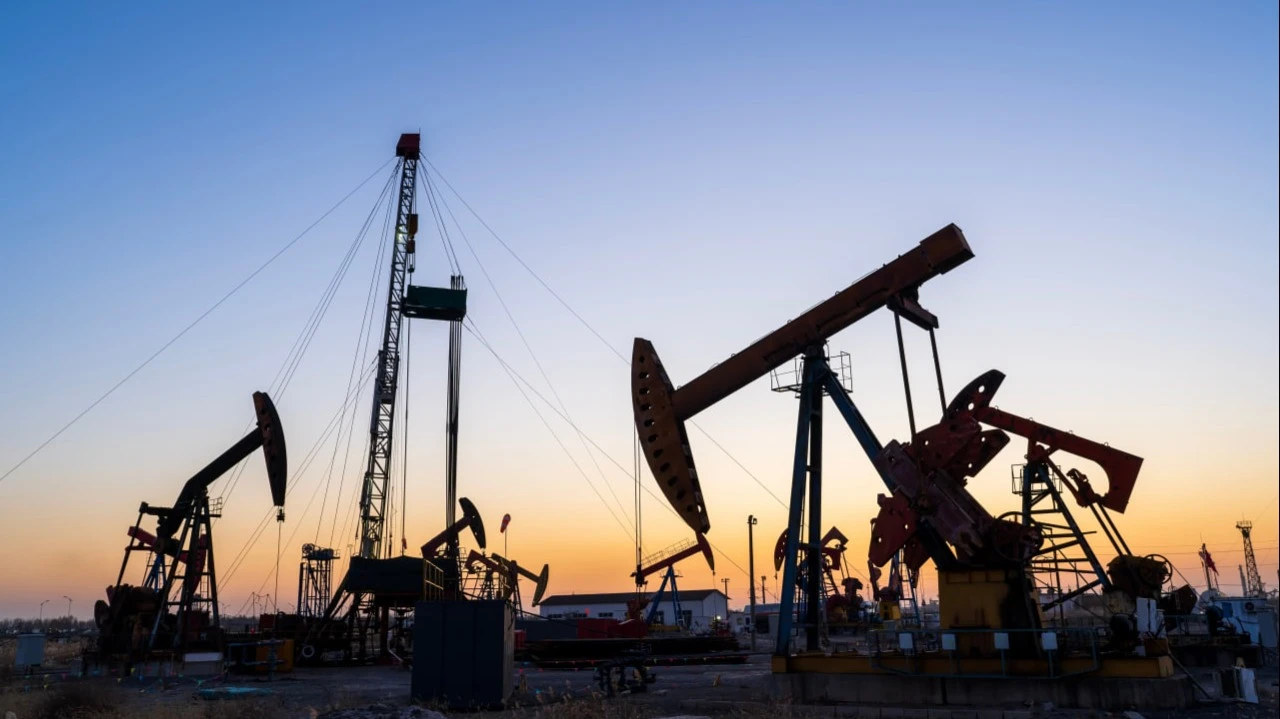
Barclays did not share the oil market's optimism and kept its forecast for the price of Brent at $100 / Photo: zhengzaishuru / Shutterstock.com
Barclays believes that the impact of the Iranian crisis on oil supplies may prove to be more prolonged than energy price trends suggest. Futures for the benchmark Brent crude fell below $80 per barrel ahead of the official signing of a peace agreement between the U.S. and Iran, but the bank left its forecast unchanged. It believes that the average price of a barrel of Brent will be $100 by the end of the year, according to CNBC.
Why the Oil Shortage May Persist
The Strait of Hormuz, which is critical for oil exports, will reopen on Friday, June 19, as Trump promised—immediately after the signing of the agreement between the U.S. and Iran. But even then, it could take several weeks for normal trade flows to resume, notes Barclays analyst Amarprit Singh.
“The blockade of the Strait of Hormuz may soon be behind us, but its impact on the fundamentals of the oil market will only become clear in a few weeks and may be more persistent than market participants currently expect,” Singh wrote in a note cited by CNBC.
Rerouting ships, resolving logistical bottlenecks, and resuming production in Persian Gulf exporting countries—all of this will take time, and the risk of new outbreaks of tension and further supply disruptions remains significant, Barclays warns.
"About 60% of oil demand is linked to the production and transportation of goods. Although a gradual decline in the price of Brent to $80 per barrel by the end of 2027 seems plausible, in the near term we see the balance of risks for prices tilted to the upside,” Singh predicts.

What the Optimists Say
Citi analysts, on the other hand, believe that trade flows through the Strait of Hormuz will resume sooner than previously expected. According to their assessment, the market is already pricing in the memorandum of understanding set to be signed on Friday, but has not yet factored in the final peace agreement, which will ensure the stable operation of the waterway in the medium term. Otherwise, oil would likely be trading $10–15 per barrel lower, the analysts believe. Citi believes that shipments through the strait will return to normal by mid- or late July, after which the market’s focus will shift back to weak fundamentals, including a possible surplus of supply over demand next year. The bank has lowered its forecast for the average price of a barrel of Brent in the third quarter from $110 to $75. For the fourth quarter, it now expects $70 per barrel instead of $90, and for 2027, it expects $65 instead of $80.

Goldman Sachs and Morgan Stanley have also revised their oil price forecasts based on the assumption that supplies will recover faster than previously thought. Goldman estimates that exports from the Persian Gulf will return to pre-war levels by the end of July, rather than by the end of August. Morgan Stanley expects supply to remain tight throughout the summer. However, analysts at both banks expect the average price of Brent to remain at $80 per barrel in the fourth quarter. Previously, they had predicted $90.
Morgan Stanley estimates that about 50% of the lost production will be restored by September, and about 80% by December. “Despite the disruptions, a broad range of indicators in recent weeks has pointed to weakness in the physical oil market. In particular, the volume of unsold cargoes remains above average,” analysts said.
This article was AI-translated and verified by a human editor