Samsung has reached an agreement with the union. Is the threat of stopping production of scarce chips lifted?
The parties managed to reach an agreement about an hour and a half before midnight - the eve of the strike

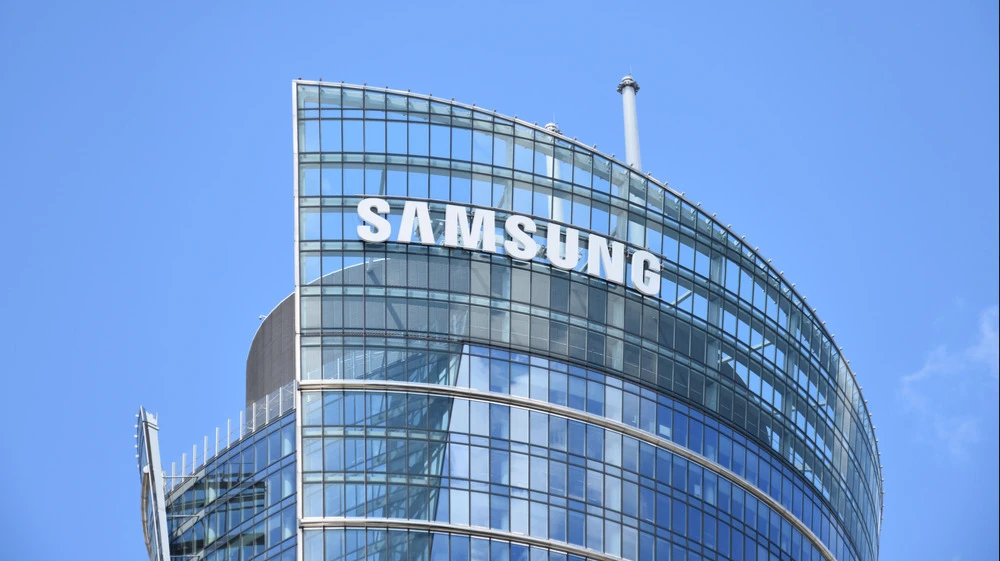
Samsung's outage could disrupt electronics manufacturers' supply chains / Photo: OleksSH / Shutterstock.com
Samsung Electronics, which makes memory chips made scarce by the AI boom has reached a tentative agreement with its labor union, and the latter has temporarily dropped its threat to go on strike. A prolonged strike could worsen semiconductor shortages around the world. If the parties reach a final compromise, it will avoid not only disruptions in production, but also halt the company's efforts to develop next-generation chips, Bloomberg notes.
Details
South Korean manufacturer Samsung said Ma. 20 that after several days of negotiations, "employees and management have reached a tentative agreement on wages and a collective bargaining agreement," Bloomberg reports. The company's union also released a statement confirming the suspension of strike plans scheduled to run from Ma. 21 to June 7. It notified its members of an upcoming vote on a tentative wage agreement for 2026.
Any halt in production at Samsung would affect the global technology supply chain, Bloomberg explains. Memory chips are used in a mass of devices, from data center servers to smartphones and electric cars.
"There are growing concerns that any major production disruptions or operational uncertainties at Samsung Electronics could create additional pressure on the global memory market, potentially exacerbating supply bottlenecks, price volatility, procurement uncertainty and broader supply chain instability," the U.S. Chamber of Commerce in Korea said this month.
The price of the question
Samsung employees are trying to "squeeze out" a bigger share of the profits it makes thanks to the global boom in AI infrastructure. The company's dispute with the labor team has been dragging on since the end of 2025. It demanded that management abolish the current bonus ceiling, allocate 15% of operating profits to employee bonuses and enshrine these terms in labor contracts. At the same time, the union cited the decision of another memory chip maker, SK Hynix, which last year began allocating 10% of annual operating profit to a performance bonus fund.
Samsung also wanted to allocate 10% of operating profit for bonuses, and also offered to pay a lump sum compensation. Management argued that the union's demands would be difficult to sustain in the long term.
Under the terms of the tentative agreement, Samsung will launch a special performance bonus system that will reward employees in the semiconductor division based on the profitability of the business. The program will run for 10 years and include ambitious annual profit targets of 200 trillion won (about $133 billion) in 2026-2028 and 100 trillion won in 2029-2035.
The two sides had previously agreed to lift the bonus cap at 50 percent of annual salary, an industry source told Yonhap. But the company categorically refused to reward loss-making departments.
This article was AI-translated and verified by a human editor