Morning in New York: Tech Giants Wake Up the "Bears"


U.S. futures are falling in response to mixed earnings reports from major tech companies / Photo: michaeljung / Shutterstock
A daily review and forecast of events in the U.S. stock market by Mikhail Denislamov, Deputy Director of Capital Markets Research at Freedom Broker.
We expect
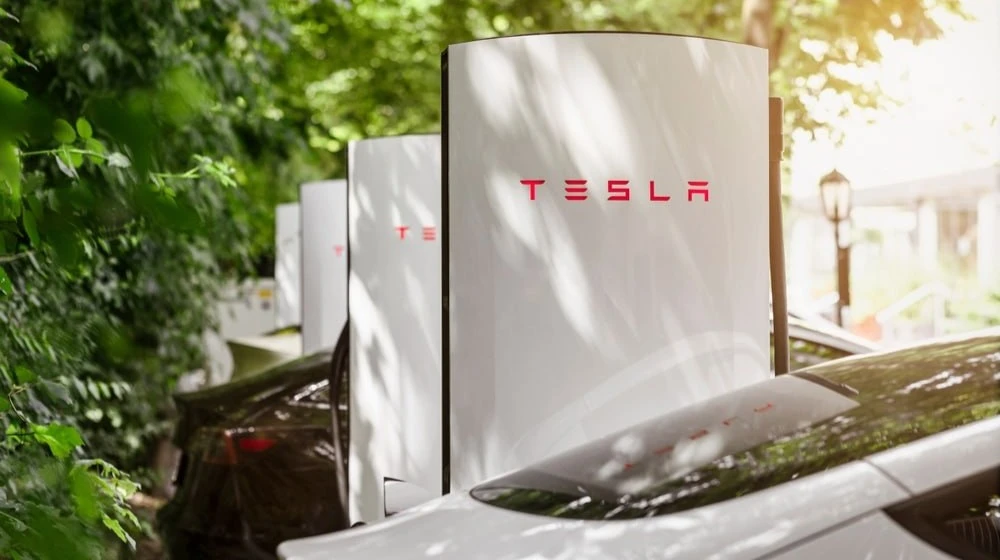
U.S. futures are falling in response to mixed earnings reports from major tech companies. At the time of writing, Nasdaq-100 and S&P 500 futures are down about 1.8% and 1%, respectively. The tech giants’ results failed to convince investors of the sustainability of the recent rally in artificial intelligence-related stocks. Tesla (TSLA) is down 4–5% due to a downward revision of its 2026 capital expenditure plan from more than $25 billion to approximately $20 billion. The company’s CFO attributed this decision to a more efficient allocation of investments, while CEO Elon Musk noted that a significant increase in spending to expand Cybercab production will occur in 2027–2028. Thus, the reduction in the annual target does not necessarily mean a departure from any strategic plans; however, the lack of a detailed breakdown of costs is unsettling to investors.
Meta Platforms (META) shares initially surged by about 7% in response to strong sales figures, but the overall negative market sentiment later pushed the stock into negative territory. At the same time, the company raised the lower end of its annual capital expenditure guidance from $130 billion to $135 billion. Meanwhile, the issuer’s free cash flow was negative, totaling $2.1 billion.
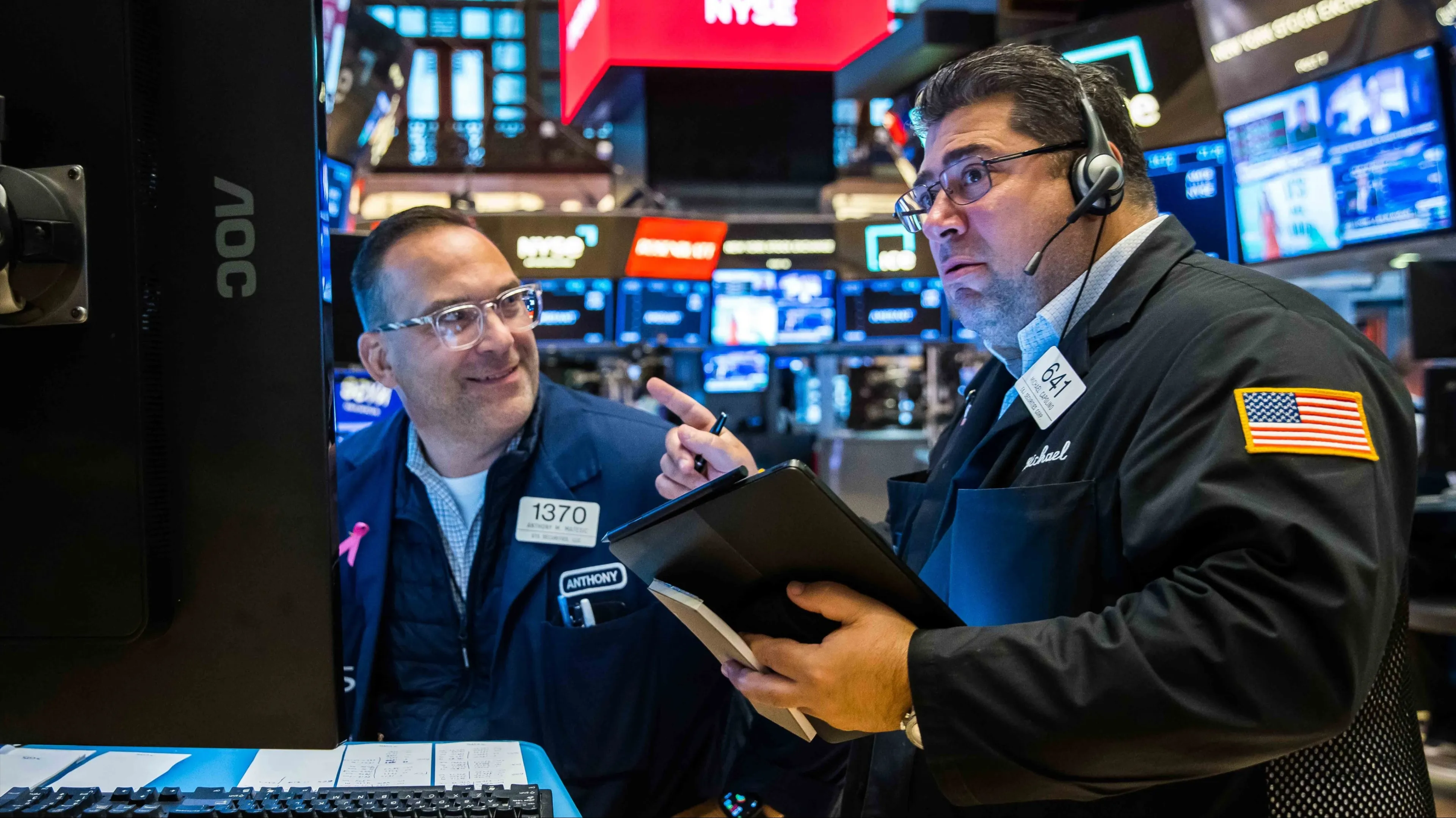
Lam Research (LRCX) shares are falling despite record revenue, as investors had expected a more confident outlook than the guidance for the next quarter, which was nearly in line with the consensus.
The market's reaction shows just how difficult it has become to strike a balance between the volume of AI investments and their expected returns.
A second source of pressure is the renewed rise in oil prices amid the escalating situation in the Middle East. Brent crude has risen above $110 per barrel following Houthi attacks on civilian targets and Saudi Arabia’s oil infrastructure. The U.S. has ordered the evacuation of some diplomatic personnel and their families from the country. There is no reliable confirmation of a large-scale reduction in production yet, but the risk of supply disruptions is once again driving up the geopolitical premium in oil prices. Combined with persistent inflation, this prevents any softening of forecasts regarding the Fed’s future course and is holding back demand for “growth” stocks.
The pullback in tech leaders’ stocks has not yet triggered a comparable reaction across the broader market. Over the past 20 sessions, the equally weighted RSP has outperformed the SPY by 1.83 percentage points, and the proportion of S&P 500 components trading above their 50-day moving averages has risen from 21% at the beginning of the month to 55%.
This Thursday will see the release of the traditional weekly statistics on the number of initial claims for unemployment benefits in the U.S. (consensus: 200,000 vs. 199,000 the previous week). Also to be released are the leading indicators index for September (consensus: −0.1%) and the Kansas City Fed’s manufacturing activity index for October (consensus: 12 points versus 14 a month earlier).
Before the market opens, Valero Energy (VLO), Procter & Gamble (PG), American Airlines (AAL), Spotify (SPOT), Comcast (CMCSA), Union Pacific (UNP), and Lockheed Martin (LMT) will report their earnings. After the market closes, Bloom Energy (BE), Western Digital (WDC), Newmont (NEM), MaxLinear (MXL), Deckers Outdoor (DECK), and VeriSign (VRSN) will report their results.
We assess the risk balance for the upcoming session as moderately negative and expect increased volatility. Stabilization in oil prices and demand for semiconductor manufacturers could limit the decline, but new selling pressure in the AI segment could quickly outweigh support from more resilient sectors.
What to Watch for in the Pre-Market
— Tesla (TSLA) is down about 4–5%, even though its quarterly revenue of $28.05 billion exceeded consensus estimates, and adjusted EPS reached $0.48, compared with an average forecast of $0.45. Operating profit fell 56% year-over-year. Free cash flow of $1.53 billion was largely driven by a reduction in capital expenditures, which totaled $4.7 billion for the quarter, compared to a target range of $7.5 billion. The full-year guidance has been lowered to approximately $20 billion.
— Meta Platforms (META) shares, as mentioned above, have lost their initial upward momentum. The company’s third-quarter revenue increased by 26% year-over-year to $64.6 billion, and its guidance for October–December projects sales in the range of $73–76 billion. Management raised the lower end of its annual capital expenditure target to $135 billion while keeping the upper end at $145 billion. Earnings for the reporting period were impacted by significant legal expenses. The strong advertising business is supporting investments in AI.
— Lam Research (LRCX) is trading 7–9% lower, despite record quarterly revenue of $8.22 billion (+54% YoY) and adjusted earnings of $2.20 per share. The company’s own revenue forecast for the next quarter calls for approximately $8.6 billion, which is only slightly above the consensus estimate of $8.54 billion. Investors are also concerned about export restrictions and the company’s dependence on the Chinese market, which accounts for about 35% of sales.
The Market on the Eve of...
Trading on October 21 on U.S. stock exchanges ended in positive territory. The S&P 500 gained 0.58%, the Nasdaq-100 rose 1.13%, the Dow Jones rose 0.69%, and the Russell 2000 rose 0.27%. The technology sector (XLK: +1.67%) led the gains. The performance of other stocks was more subdued. The yield on 10-year Treasury bonds remained around 5.12%. Renewed buying in major tech companies allowed the benchmarks to recover from the sell-off, but did not dispel doubts regarding the financing of AI infrastructure.
The 20-day spread between the MTUM Price Momentum Fund and the USMV Minimum Volatility Equity Fund was −9.3 percentage points. This result falls within the bottom 4% of observations for the year, indicating relatively higher demand for low-risk stocks. The median sector remains 6.7% below its annual high, compared with 0.8% for the SPY. This divergence is greater than in 96% of cases over the past five years, suggesting that not all segments are recovering at the same pace.
The technology sector received a boost from NVIDIA (NVDA: +2.5%), which unveiled its DSX POD modular architecture for data centers. According to the company’s estimates, these pre-built modules can reduce the time required to deploy computing infrastructure at a pre-prepared site from six months to 14 days. However, the facility still needs to be equipped with power, cooling, and network connections. Palantir Technologies (PLTR) rose 4.7% on news of a joint initiative with Knox Systems to deploy secure software for U.S. federal agencies.

The Global X Cybersecurity ETF (BUG), which invests in cybersecurity stocks, rose 3.8% amid reports of two critical vulnerabilities in the PHP programming language. Developers released urgent security updates. Some government websites in Europe were temporarily taken offline as a precautionary measure. This incident has heightened attention on the protection of information systems and the risks associated with automated vulnerability scanning using AI, although the direct impact on the revenue of cybersecurity solution providers remains unclear.
Oil prices continue to reflect a elevated geopolitical premium. The price of WTI remained near $100 per barrel amid uncertainty regarding crude oil supplies from the Middle East. Signs that Iran is willing to continue diplomatic talks have not yet alleviated investors’ concerns regarding the security of oil infrastructure and shipping.
This article was AI-translated and verified by a human editor